
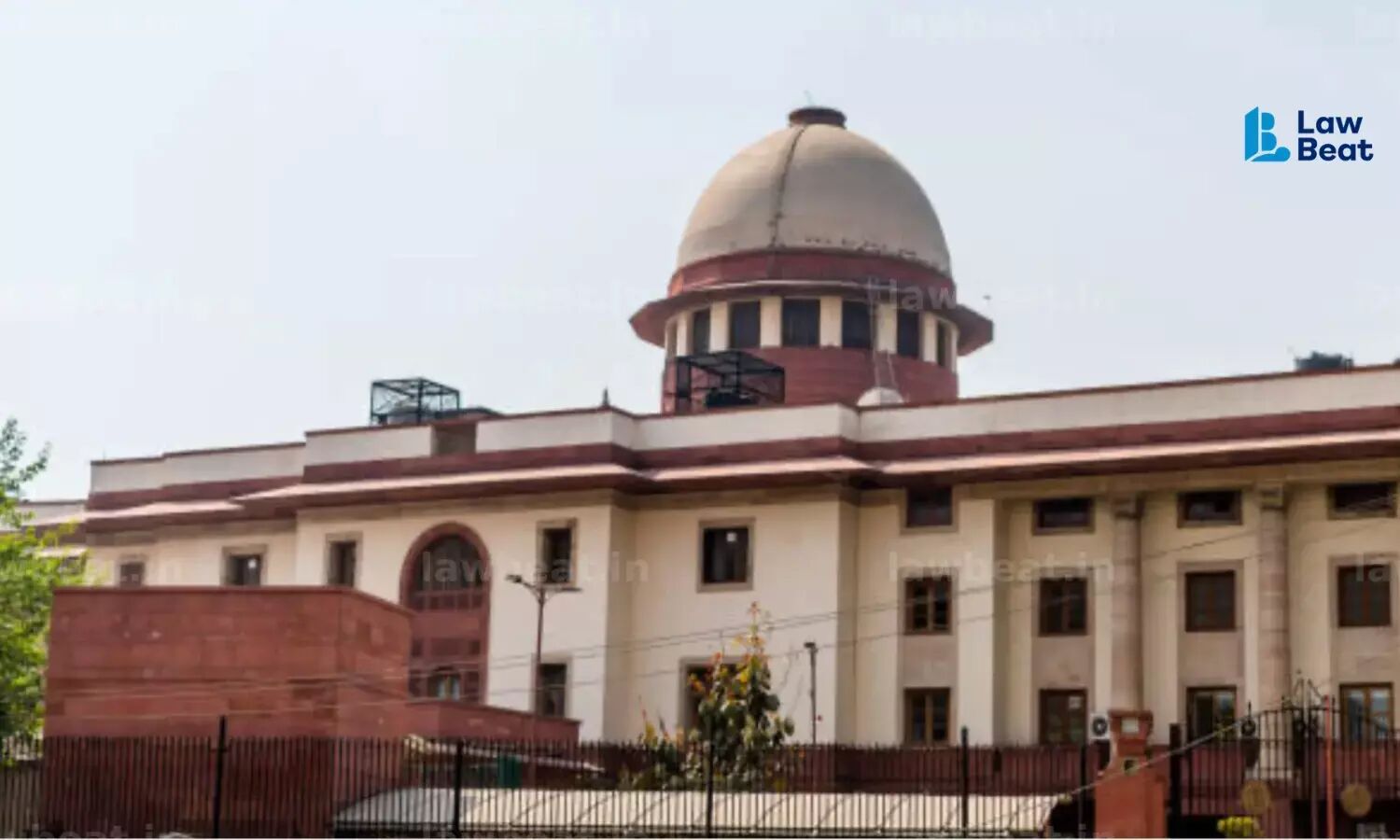
Supreme Court: T.M. Krishna Vande Mataram 2026 Act Challenge — Centre Must Reply
Summary
- Carnatic vocalist T.M. Krishna has filed a PIL in the Supreme Court challenging the Centre's directives on the six-stanza Vande Mataram and a 2026 law extending its statutory protection.
- The 2026 amendment places Vande Mataram on the same legal footing as the National Anthem, introducing penalties of up to three years imprisonment or a fine for obstructing its singing.
- Krishna's petition argues that compelling the rendition of all six stanzas, which include references to Hindu deities, infringes upon secularism, freedom of conscience, and religious freedom.
- The Supreme Court bench, including CJI Surya Kant, has sought the Centre's response and indicated it will examine the penal consequences in the context of fundamental rights.
- A heated exchange occurred between Solicitor General Tushar Mehta and Senior Advocate Dr S Muralidhar during the hearing, which is slated to resume on October 12, 2026.
Supreme Court Hears Challenge to Vande Mataram Law
The Court's indication that it may scrutinize the penal consequences of the amended law in light of fundamental rights, particularly Articles 25 and 26 which safeguard freedom of conscience and religion, underscores the gravity of the legal questions at stake.
India's Supreme Court recently heard a significant Public Interest Litigation (PIL) filed by renowned Carnatic vocalist T.M. Krishna. The petition directly challenges two key aspects: the Central government's directives mandating the use of the official six-stanza version of Vande Mataram in all mass and official programs, and a 2026 legislative amendment that extends statutory protection to the National Song. This legal action, often referred to as the **T.M. Krishna Vande Mataram 2026 Act challenge**, seeks to scrutinize the implications of these measures on fundamental rights.
The case was heard by a bench comprising Chief Justice of India Surya Kant, alongside Justices Joymalya Bagchi and V. Mohana. Following initial arguments, the Court has formally requested a response from the Centre regarding the issues raised. The proceedings are slated to resume on October 12, 2026, indicating a thorough judicial process for this complex matter.
The Contested 2026 Amendment and Its Implications
At the heart of the challenge is the 2026 amendment to Section 3 of the Prevention of Insults to National Honour Act, 1971. This legislative change, which received assent from President Droupadi Murmu, significantly elevated the legal standing of Vande Mataram. It now places the National Song on par with the National Anthem, Jana Gana Mana, by extending the same statutory protections and penal provisions previously applicable only to the anthem.
Under the revised law, any individual who intentionally obstructs the singing of the National Song or causes disruption to an assembly engaged in its rendition faces potential penalties, including imprisonment for up to three years, a fine, or both. T.M. Krishna's petition specifically contends that the Centre's requirement for the full six-stanza version is problematic because the latter four stanzas contain explicit references to Hindu deities. He argues that compelling citizens to sing these specific stanzas raises serious questions concerning secularism, freedom of conscience, and religious freedom, especially given prior directives from the Ministry of Home Affairs regarding its rendition.
Arguments and Judicial Scrutiny
During the court proceedings, Solicitor General Tushar Mehta urged the bench against issuing a formal notice, expressing concern that such a step could sensationalize the issue. However, Dr S Muralidhar, Senior Advocate representing T.M. Krishna, highlighted a perceived oversight in the 2026 Act. He argued that while the legislation introduced the term 'national song,' it failed to provide a clear definition, suggesting a rushed legislative process that did not fully consider the implications of imposing penal consequences without adequate clarity.
Justice Bagchi acknowledged the long-standing understanding of Vande Mataram as the National Song but assured that the aspect of penal consequences would be thoroughly examined. He also noted that the declaration of a national song is not a matter for judicial dictate. Chief Justice Surya Kant further interjected, stating that anyone familiar with India's history would inherently understand the identity of the national song. The hearing also saw a heated exchange between SG Mehta and Dr Muralidhar, with Mehta asserting that "Law-making should not be according to Naxalites" and clarifying that the constitution cannot be interpreted as such, leading to a strong protest from Muralidhar. The Court's indication that it may scrutinize the penal consequences of the amended law in light of fundamental rights, particularly Articles 25 and 26 which safeguard freedom of conscience and religion, underscores the gravity of the legal questions at stake.
Source
Source: Original reporting via Live Law
How does this affect you?
Get an AI analysis of this article grounded in your jurisdictions, practice areas, and any policy documents you've uploaded to Wansom.
Finish Reading the Full Story and the Expert Analysis.
Get the latest legal & regulatory intelligence in India
Wansom is AI and can make mistakes.