
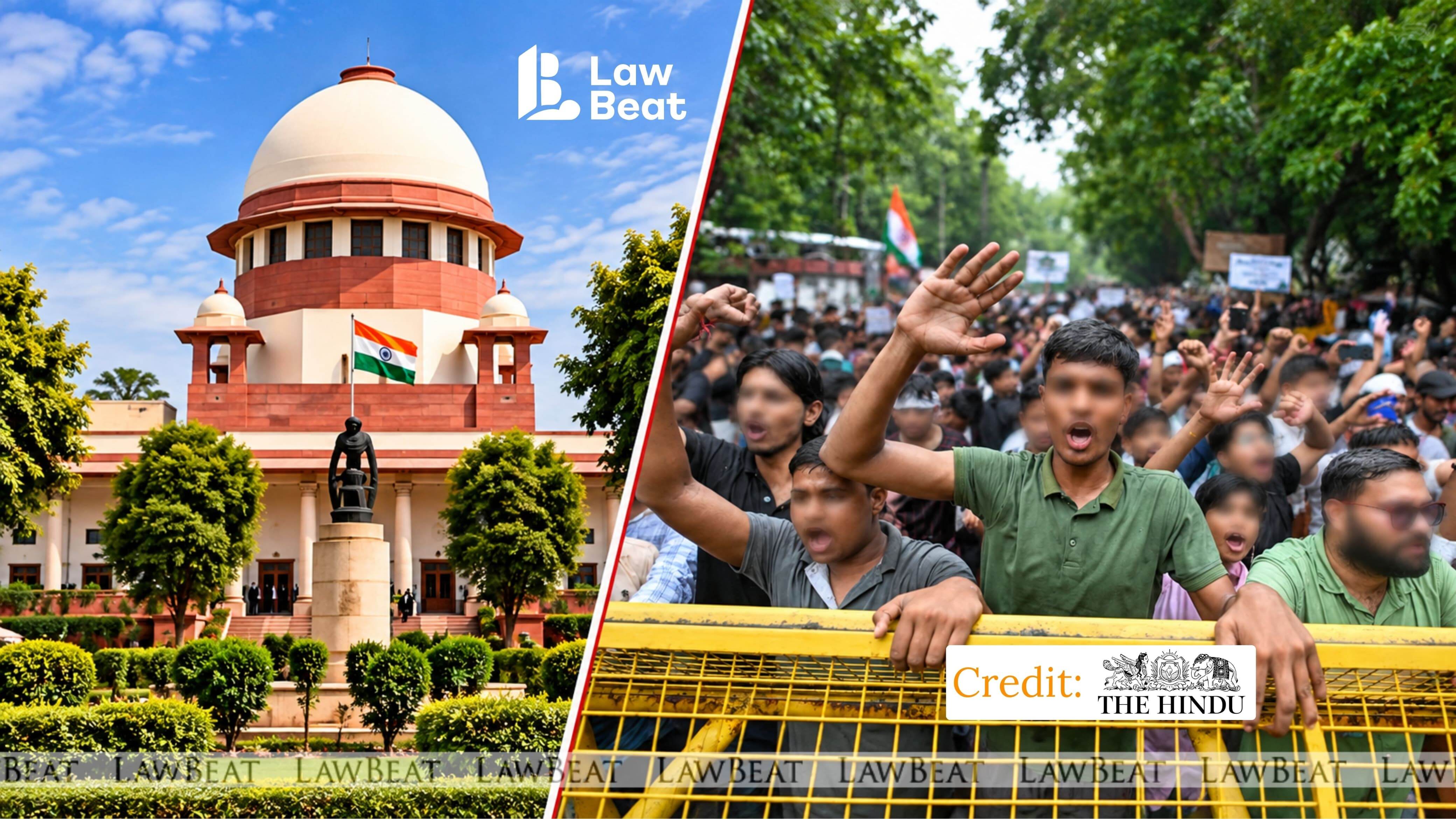
Supreme Court: Delhi Police's Jantar Mantar De-notification Challenged
Summary
- An application has been filed in the Supreme Court challenging the Delhi Police order de-notifying Jantar Mantar as a protest site.
- The application argues that the Supreme Court previously recognized Jantar Mantar as a designated protest venue.
- It also highlights that the Supreme Court had previously found Ramlila Maidan unsuitable for protests, despite it now being an alternative.
- The suitability of new venues, including Ramlila Maidan and Burari CBD Grounds, is questioned, with some allegedly near landfills.
- The Supreme Court's decision will clarify the legally permissible venues for protests and the scope of the right to peaceful assembly in Delhi.
Challenge to Protest Site De-notification
Lawyers advising clients on public demonstrations or assembly rights in Delhi should closely monitor the Supreme Court's decision on the de-notification of Jantar Mantar, as it will clarify the legally permissible venues for protests and the scope of the right to peaceful assembly in the capital.
A significant legal challenge has been brought before the Supreme Court of India concerning the designation of protest venues in the nation's capital. An application, filed within an existing matter related to Delhi protests, directly questions a recent order issued by the Delhi Police. This order effectively de-notified Jantar Mantar, a historically recognized location for public demonstrations, as a permissible site for such gatherings.
The application specifically highlights the shift in policy, which now directs public assemblies to alternative locations. These include Ramlila Maidan, the Burari CBD Grounds, and other unspecified venues. The core of the challenge revolves around the suitability and legality of these newly designated sites for the exercise of the fundamental right to protest.
Historical Precedent and Legal Context
The legal filing underscores a critical aspect of the Supreme Court's prior engagement with the issue of protest venues. It contends that the apex court had previously acknowledged Jantar Mantar as a designated and appropriate site for public demonstrations. This historical recognition forms a key part of the applicant's argument against its de-notification.
Furthermore, the application recalls that the Supreme Court had, in earlier proceedings, deemed Ramlila Maidan to be unsuitable for large-scale protests. This prior judicial assessment creates a direct conflict with the Delhi Police order, which now lists Ramlila Maidan as one of the primary alternative venues. The ongoing 'pending matter on Delhi protests' provides the overarching legal framework within which this new application is being considered, emphasizing the judiciary's continuous oversight of the right to protest India.
Suitability of New Venues Questioned
A central concern raised by the application is the practical suitability of the alternative sites proposed by the Delhi Police. It specifically questions whether these new venues, including Ramlila Maidan and the Burari CBD Grounds, are genuinely capable of hosting public gatherings in a manner that respects the rights of protestors and ensures public order. The application points out that some of these newly designated locations are allegedly situated in close proximity to the city's landfills, raising questions about environmental conditions and accessibility for participants.
This challenge to the Jantar Mantar protest site de-notification in the SC is crucial for clarifying the scope of the right to peaceful assembly in the capital. Lawyers advising clients on public demonstrations or assembly rights in Delhi should closely monitor the Supreme Court's decision on the de-notification of Jantar Mantar, as it will clarify the legally permissible venues for protests and the scope of the right to peaceful assembly in the capital. The outcome will have significant implications for how citizens can exercise their fundamental right to protest in Delhi, potentially setting a precedent for other urban centers.
Practical Implications
Lawyers advising clients on public demonstrations or assembly rights in Delhi should closely monitor the Supreme Court's decision on the de-notification of Jantar Mantar, as it will clarify the legally permissible venues for protests and the scope of the right to peaceful assembly in the capital.
Source
How does this affect you?
Get an AI analysis of this article grounded in your jurisdictions, practice areas, and any policy documents you've uploaded to Wansom.
Finish Reading the Full Story and the Expert Analysis.
Get the latest legal & regulatory intelligence in India
Wansom is AI and can make mistakes.