
Madhya Pradesh High Court: 27% OBC Quota Increase Invalidated
Summary
- The Madhya Pradesh High Court struck down the state's 27% OBC quota in public employment and higher education on October 9, 2026.
- The court ruled that the enhanced quota, introduced by the MP Lok Seva Amendment Act 2019, exceeded the 50% reservation ceiling established in Indra Sawhney v. Union of India.
- Appointments made under the 27% quota up to September 29, 2022, are protected, with additional posts to be adjusted in future recruitment drives.
- Chief Minister Mohan Yadav has consulted with top legal officials to discuss the state's strategy, hinting at a potential appeal to the Supreme Court.
Court Strikes Down Enhanced OBC Quota
Crucially, the court found no "extraordinary conditions" or "emergent situation" that would warrant a deviation from the established 50% reservation ceiling.
The Madhya Pradesh High Court recently invalidated the state's decision to increase reservation for Other Backward Classes (OBCs) from 14% to 27% in public employment and higher education. This significant ruling, delivered on October 9, 2026, by a Division Bench comprising Justice Anand Pathak and Justice Vinay Saraf, found the enhanced quota unconstitutional. The increase was initially introduced through Ordinance No. 2 of 2019 on March 8, 2019, and subsequently codified into law by the Madhya Pradesh Lok Seva (Scheduled Castes, Scheduled Tribes and Other Backward Classes Reservation) Amendment Act, 2019.
The legal challenge, spearheaded by the case of Ashita Dubey and Others v. State of Madhya Pradesh and Others, originated from medical admissions, specifically concerning NEET-PG 2019. General category petitioners contended that the expanded quota pushed the total reservation beyond the constitutionally mandated 50% ceiling, thereby infringing upon the principles of equality and equal opportunity in public service. Numerous similar petitions followed, addressing both recruitment and admissions processes, all challenging the Madhya Pradesh High Court 27% OBC quota.
Legal Rationale and Constitutional Limits
The High Court concurred with the petitioners' arguments, asserting that while the principle of reservation for OBCs was not in question, the state failed to provide sufficient justification for the *extent* of the increase. The bench explicitly stated that the core issue was not the grant of reservation but its magnitude. After reviewing data related to higher education and public services, the court concluded that OBCs were already adequately represented, negating the need for an enhanced quota under Article 16(4) of the Constitution.
Crucially, the court found no "extraordinary conditions" or "emergent situation" that would warrant a deviation from the established 50% reservation ceiling. This ceiling was famously upheld in the landmark Indra Sawhney v. Union of India judgment and reaffirmed in Jaishri Laxmanrao Patil v. Chief Minister. Furthermore, the High Court identified deficiencies in the legislative process and the drafting of the amendment, suggesting it was enacted with undue haste. Consequently, both the 2019 ordinance and the subsequent MP Lok Seva Amendment Act 2019 were declared unconstitutional and struck down.
Implications for Existing Appointments and Future Steps
The High Court's decision also addressed the status of appointments already made under the now-invalidated 27% OBC quota. The ruling stipulated that OBC appointments finalized up to September 29, 2022, the date when the General Administration Department clarified its stance on interim relief, would be protected. Individuals appointed during this period will not face removal from their positions, with any additional posts created under the enhanced quota to be adjusted across the subsequent three recruitment cycles.
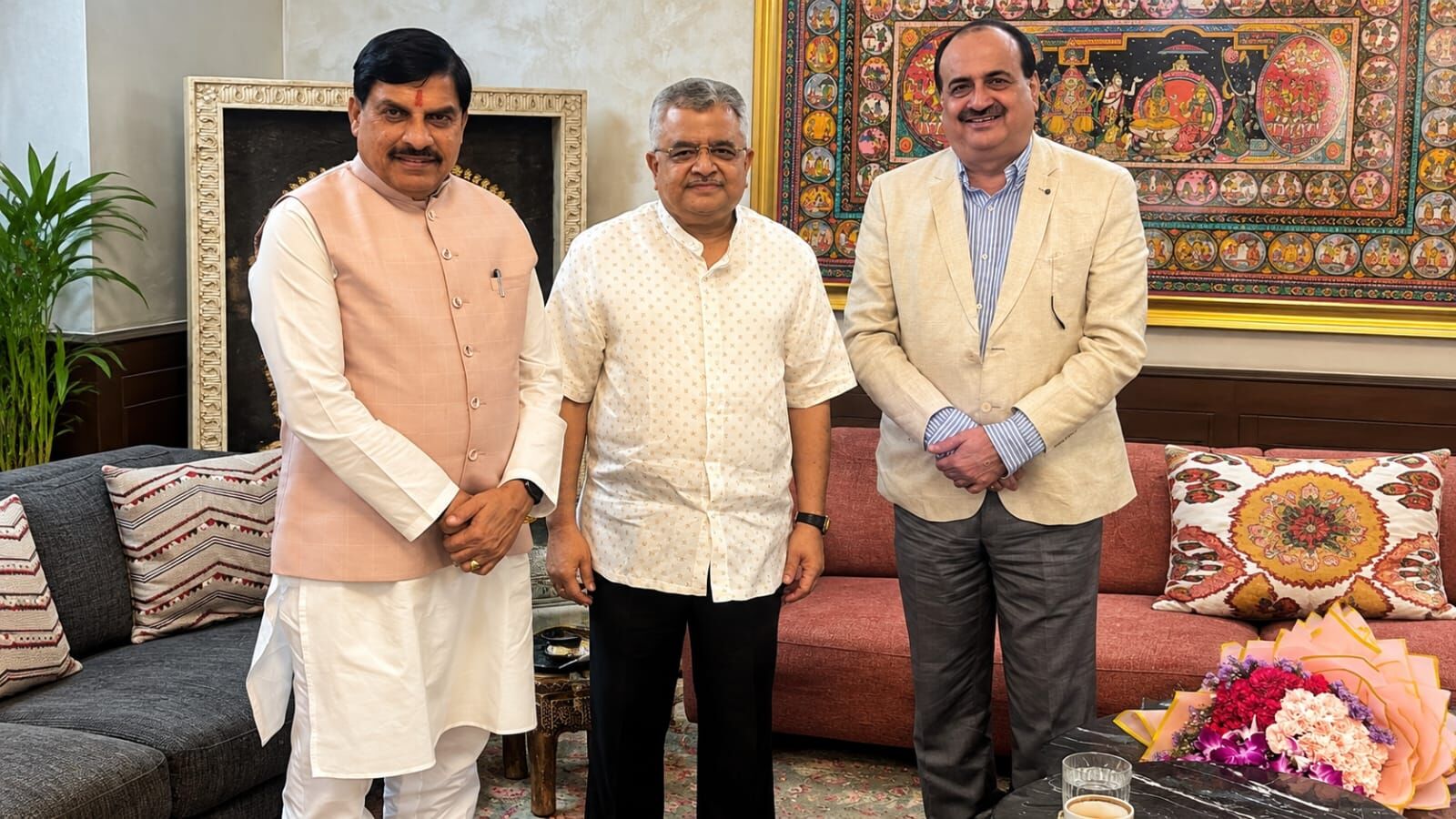
In response to this significant legal setback regarding the Madhya Pradesh High Court 27% OBC quota, Chief Minister Mohan Yadav has engaged in high-level consultations. He met with Solicitor General Tushar Mehta and Advocate General Prashant Singh in New Delhi to deliberate on the High Court's verdict and formulate the state's future legal strategy. While the specific course of action, including a potential MP government OBC quota appeal to the Supreme Court, has not been explicitly announced, the discussions centered on "forthcoming legal proceedings," indicating the government's intent to explore further legal avenues following the adverse ruling.
Practical Implications
Lawyers and compliance officers in Madhya Pradesh must advise clients on the validity of public employment appointments and higher education admissions made under the now-struck-down 27% OBC quota, particularly those after September 29, 2022. They should also monitor the state government's anticipated appeal to the Supreme Court, which could further alter the legal landscape for reservation policies.
Source
Source: Based on recent legal reporting
How does this affect you?
Get an AI analysis of this article grounded in your jurisdictions, practice areas, and any policy documents you've uploaded to Wansom.
Finish Reading the Full Story and the Expert Analysis.
Get the latest legal & regulatory intelligence in India
Wansom is AI and can make mistakes.