
India Supreme Court: Proposes Dedicated SMA Treatment Fund
Summary
- The Supreme Court of India initiated a suo motu writ petition to address treatment gaps for Spinal Muscular Atrophy (SMA) patients.
- The Court proposed creating a dedicated fund or corpus to provide systematic financial support for SMA treatment.
- Chief Justice of India Surya Kant emphasized the need for a permanent, regular funding mechanism, beyond ad-hoc contributions.
- The suo motu action stemmed from earlier proceedings concerning online content demeaning persons with disabilities, where the Cure SMA Foundation of India had suggested a dedicated corpus.
- The Court stressed that any funding mechanism must ensure optimal, non-profit utilization of resources for direct patient support.
Supreme Court Addresses SMA Treatment Gaps
Chief Justice Surya Kant articulated this need, stating, "Depending on individual circumstances, corporate social responsibility contributions may come forward, or the government may release grants. But what we need is a regular channel, a permanent system. There should be a mechanism for automatic contributions and a regular fund that is maintained."
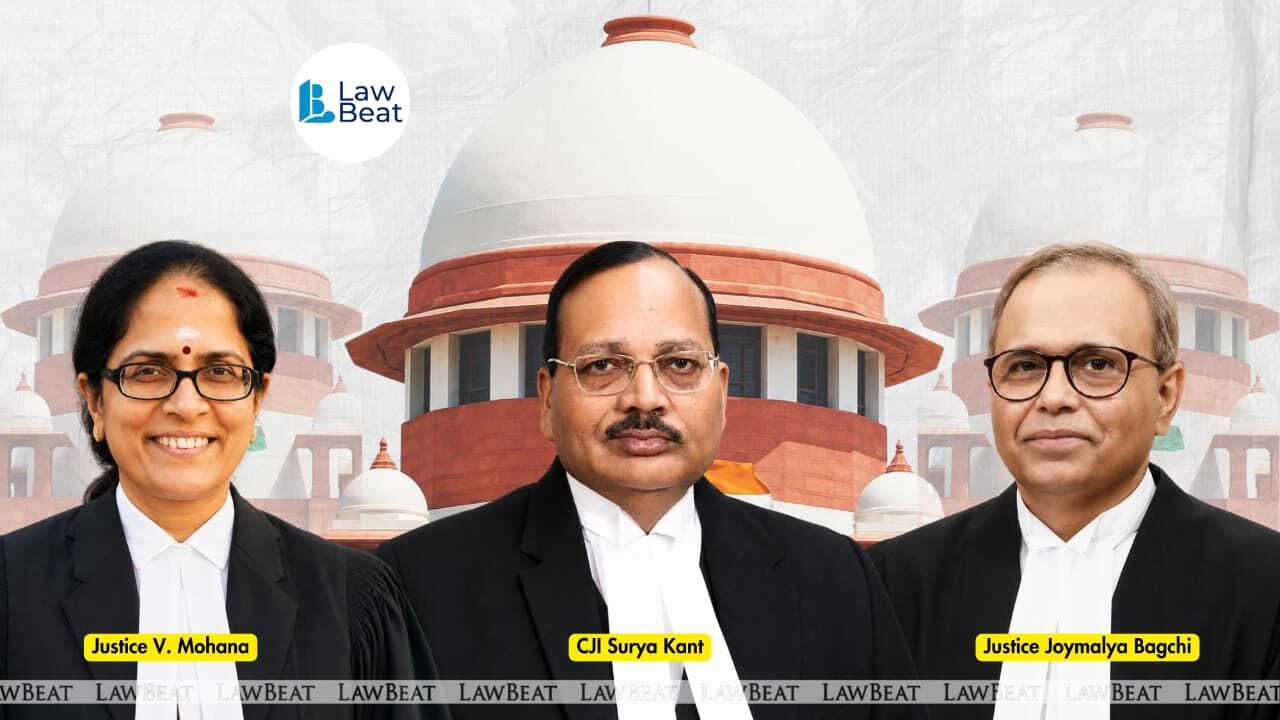
The Supreme Court of India has taken a significant step to address critical gaps in the treatment of patients suffering from Spinal Muscular Atrophy (SMA). A bench led by Chief Justice of India Surya Kant, alongside Justices Joymalya Bagchi and V. Mohana, recently initiated a suo motu writ petition, titled “In Re: Lack of Adequate and Systematic Treatment for SMA Patients and Other Ancillary Issues.” This proactive measure by the apex court aims to tackle the severe challenges faced by individuals with this rare genetic disorder.
The primary concern identified by the Court is the insufficient and unsystematic financial assistance available for SMA patients. This deficiency, the Court observed, significantly impedes both preventive care and post-atrophy treatment, leaving many without necessary medical interventions. To combat this, the Supreme Court has proposed the establishment of a dedicated fund or corpus, specifically designed to provide consistent financial support for SMA treatment.
Legal Context and Genesis of the Petition
The genesis of this crucial suo motu proceeding can be traced back to the Court's disposal of earlier petitions. These prior cases involved online content that was alleged to be demeaning towards persons with disabilities, including those affected by SMA. During these proceedings, Senior Advocate Aparajita Singh, representing the Cure SMA Foundation of India, put forth a suggestion for the Union Government to create a dedicated financial corpus to aid SMA patients.
The Court found this suggestion appropriate and indicated that if such a fund already existed, it should be widely publicized to encourage contributions. These contributions, the Court noted, could come from corporate entities and individuals, potentially leveraging Corporate Social Responsibility (CSR) initiatives. Recognizing that the original petitions concerning online content were not the ideal foundation for such a comprehensive financial consideration, the Court ordered the registration of the new, dedicated suo motu writ petition in September. This decision ensured that the critical issue of Spinal Muscular Atrophy India funding could be addressed cohesively and systematically. It is noteworthy that in September, the court also quashed criminal cases against several stand-up comedians and YouTubers, including Samay Raina, Vipul Goyal, Balraj Ghai, Sonali Thakker, and Nishant Tanwar, who had faced charges related to insensitive remarks about persons with disabilities on the show "India's Got Latent." The court acknowledged their subsequent positive efforts, stating that "Once there are genuine efforts positive results are bound to be there. They are very bright youngsters. If they have started working in positive direction, there will be positive output."
Why a Dedicated Fund Matters
The Supreme Court's emphasis on creating a dedicated India Supreme Court SMA treatment fund underscores the urgent need for a structured approach to healthcare financing for rare diseases. The bench, led by CJI Surya Kant SMA patients, highlighted that while individual CSR contributions or government grants might offer some relief, a more robust and permanent system is essential. Chief Justice Surya Kant articulated this need, stating, "Depending on individual circumstances, corporate social responsibility contributions may come forward, or the government may release grants. But what we need is a regular channel, a permanent system. There should be a mechanism for automatic contributions and a regular fund that is maintained."
This judicial intervention signals a potential shift towards more formalized mechanisms for health funding, particularly for conditions like SMA that require extensive and often prohibitively expensive treatment. The Court further stressed that any such funding mechanism must prioritize the optimal utilization of resources on a strictly non-profit basis, ensuring that support directly reaches the patients. This focus on direct patient benefit and sustainable funding channels could set a precedent for addressing similar healthcare disparities for other rare diseases across the country. The ongoing judicial oversight suggests that further intervention may be required to fully realize the proposed specialized corpus.
Practical Implications
Lawyers advising corporate clients on CSR initiatives should monitor developments regarding the Supreme Court's proposed dedicated fund for SMA patients, as it may lead to new opportunities or obligations for corporate contributions and structured funding mechanisms. Compliance officers should also watch for potential new regulatory frameworks or government directives related to health-focused CSR.
Source
How does this affect you?
Get an AI analysis of this article grounded in your jurisdictions, practice areas, and any policy documents you've uploaded to Wansom.
Finish Reading the Full Story and the Expert Analysis.
Get the latest legal & regulatory intelligence in India
Wansom is AI and can make mistakes.