
India Supreme Court: Bars Employee Reinstatement Civil Suit
Summary
- The India Supreme Court has ruled that employees cannot seek reinstatement through civil suits for wrongful termination.
- Specific enforcement of a contract of personal service is barred under Section 14(c) of the Specific Relief Act (as amended in 2018).
- Terminated employees can, however, maintain a civil suit to claim damages for wrongful termination.
- The decision arose from the case of Shiv Charan Das v. Tata Communications Ltd., where lower courts had rejected a plaint seeking reinstatement.
- The Supreme Court allowed the appellant four weeks to amend his plaint to seek damages instead of reinstatement.
Supreme Court Clarifies Reinstatement Bar in Civil Suits
The Supreme Court's clarification underscores a critical shift in the legal landscape for employment disputes in India, steering civil remedies away from specific performance of personal service contracts towards monetary compensation.
The India Supreme Court has issued a definitive ruling, asserting that employees cannot pursue reinstatement through a civil suit following termination. This significant pronouncement clarifies the scope of remedies available in employment disputes, specifically barring the specific enforcement of a contract of personal service under Section 14(c) of the Specific Relief Act, as amended in 2018 (which corresponds to the principle previously found in Section 14(1)(b) of the 1963 Act). However, the Court explicitly stated that a civil suit seeking damages for wrongful termination remains a permissible course of action for affected employees.
This clarification emerged from an appeal filed by Shiv Charan Das, whose employment with Tata Communications Ltd had been terminated. Das initially sought reinstatement by filing a civil suit in the Court of the Civil Judge, Bhopal, Madhya Pradesh. Tata Communications responded by filing an application under Order VII Rule 11 of the Code of Civil Procedure (CPC), requesting the rejection of Das's plaint. The trial court granted this application, concluding that Section 14(1)(b) of the Specific Relief Act, 1963, prohibited the grant of reinstatement in such circumstances. This decision was subsequently upheld by the Madhya Pradesh High Court, leading Das to appeal to the highest court.
Legal Framework for Personal Service Contracts
The core of the Supreme Court's decision rests on the principle now codified in Section 14(c) of the Specific Relief Act (as amended in 2018), which was previously Section 14(1)(b) of the 1963 Act. This provision stipulates that a contract cannot be specifically enforced if it involves intricate or numerous details, relies on the personal qualifications or volition of the parties, or is inherently structured in a way that a court cannot effectively enforce its material terms. Contracts of personal service, by their very nature, often fall into this category, as they involve a unique relationship between employer and employee that cannot be compelled by judicial decree.
Order VII Rule 11 of the CPC played a crucial procedural role in the lower courts' decisions. This rule empowers courts to reject a plaint at the initial stage if it fails to meet fundamental legal and procedural requirements. In Das's case, the lower courts determined that seeking reinstatement, a remedy barred by the Specific Relief Act, constituted such a failure, thus justifying the rejection of his original plaint.
Path Forward: Amending Claims for Damages
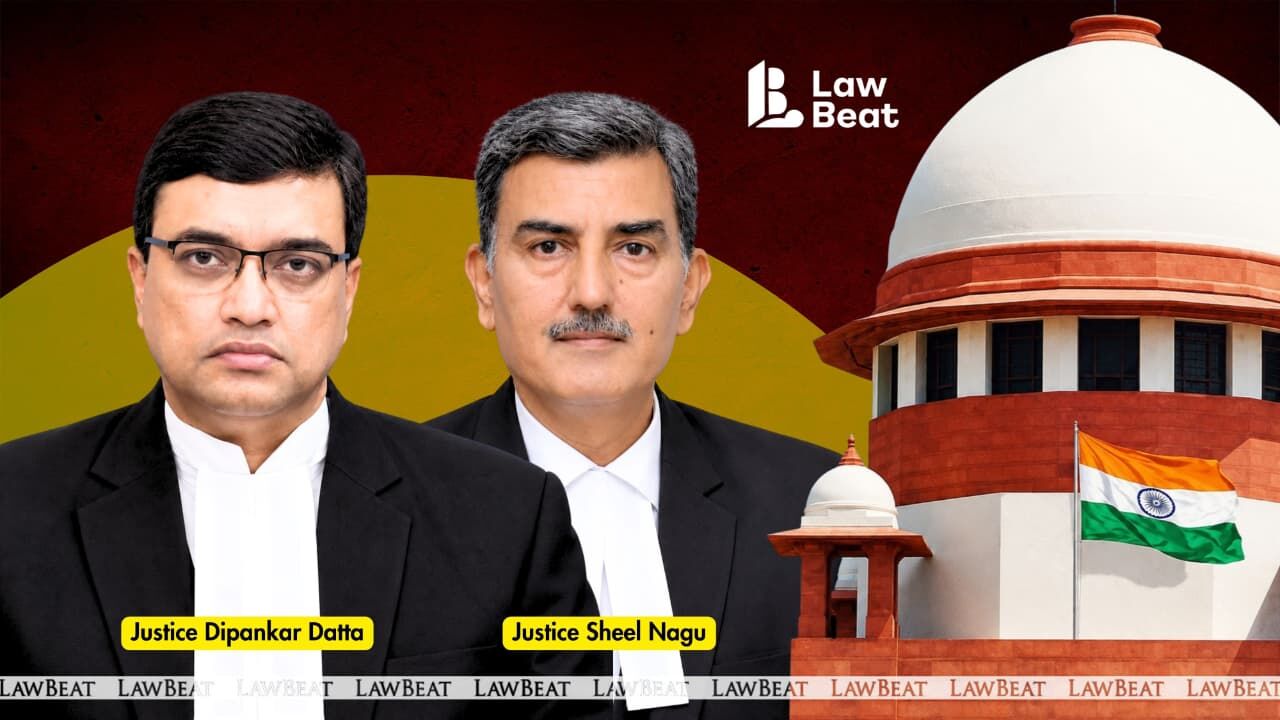
While the Supreme Court concurred with the High Court that reinstatement could not be claimed in the civil suit, it provided a crucial pathway for the appellant. The Bench, comprising Justices Dipankar Datta and Sheel Nagu, noted that had Das originally sought damages, his suit would have been maintainable, and the plaint would not have been been subject to rejection. Recognizing that Das's counsel argued for a lack of opportunity to amend the plaint after its rejection, the Supreme Court took a pragmatic approach.
The Court set aside the impugned orders of both the trial court and the High Court, effectively reviving Das's suit. It granted him a four-week period to file an application under Order VI Rule 17 CPC to amend his plaint. The Supreme Court clarified that if the proposed amendment is limited to substituting the relief of reinstatement with a claim for damages, along with the necessary supporting averments, the trial court may permit the amendment. Following such an allowance, the defendant would be granted time to file a written statement, and the suit would then proceed to its logical conclusion in accordance with the law, subject to the strict four-week deadline for the amendment application.
Broader Implications for Employment Disputes
This pivotal decision by the India Supreme Court firmly establishes that while reinstatement is not an available remedy for terminated employees in civil suits, claims for damages remain a legitimate avenue for redress. The ruling provides clarity for both employees and employers regarding the legal recourse available in cases of wrongful termination. For employees, it redirects the focus of civil litigation from seeking specific performance of personal service contracts to pursuing monetary compensation.
For employers, this judgment reinforces their position against civil claims for reinstatement, though it simultaneously underscores the ongoing liability for damages in cases where termination is found to be unlawful. The Supreme Court's clarification underscores a critical shift in the legal landscape for employment disputes in India, steering civil remedies away from specific performance of personal service contracts towards monetary compensation.
Practical Implications
Lawyers advising terminated employees in India must now focus on seeking damages rather than reinstatement through civil suits, as the Supreme Court has clarified that specific performance of personal service contracts is barred. For employers, this ruling strengthens their position against civil claims for reinstatement, though they should be prepared for potential claims for damages. Practitioners should also be aware of the procedural allowance for amending plaints from reinstatement to damages claims.
Source
How does this affect you?
Get an AI analysis of this article grounded in your jurisdictions, practice areas, and any policy documents you've uploaded to Wansom.
Finish Reading the Full Story and the Expert Analysis.
Get the latest legal & regulatory intelligence in India
Wansom is AI and can make mistakes.