
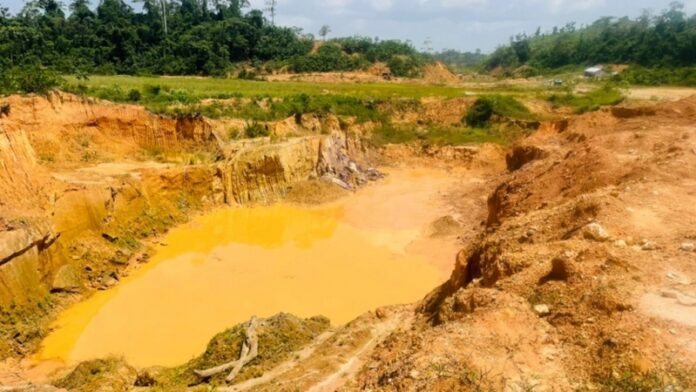
Sam George: Ghana Galamsey Fibre Cuts Account for 25% of Damage
Summary
- Communications Minister Samuel Nartey George stated that illegal mining, or galamsey, causes 25% of all fibre-optic cable cuts in Ghana.
- Galamsey operators often fail to report damage, unlike road contractors, complicating rapid repairs for telecommunications companies.
- These fibre cuts threaten the reliability of Ghana's communications network, particularly in areas with limited alternative routes.
- Damage to these critical networks imposes significant financial and operational costs on telecom providers.
- The Minister warned that continued destruction could undermine digital service reliability and worsen network disruptions nationwide.
What Happened
The galamsey impact on digital services Ghana is a growing concern that demands urgent attention to safeguard the nation's digital future.
Communications, Digital Technology and Innovations Minister Samuel Nartey George recently highlighted a significant threat to Ghana’s digital infrastructure, revealing that illegal mining, commonly known as galamsey, is responsible for a substantial portion of fibre-optic cable damage across the nation. Speaking at the Government Accountability Series on Monday, September 7, Mr. George stated that approximately one in every four fibre cuts recorded in Ghana, amounting to 25 percent, are directly attributable to galamsey activities. This alarming figure underscores the severe impact of Ghana galamsey fibre cuts on the country's essential telecommunications backbone.
Operational Challenges for Telecoms
A critical distinction highlighted by Mr. George lies in the operational response to different sources of damage. Unlike road contractors, who typically report incidents where their work impacts fibre infrastructure, illegal miners frequently fail to notify telecommunications companies or relevant authorities after severing cables during excavation. This lack of communication significantly impedes the ability of network operators to swiftly identify and repair affected sections, leading to prolonged outages and service disruptions.
The repercussions of these repeated fibre optic cable damage Ghana incidents are substantial, imposing considerable financial and operational burdens on telecommunications companies. These firms must deploy specialized equipment and dedicated personnel to meticulously trace damaged cables, undertake complex repair operations, and ultimately restore services. The unannounced nature of galamsey-related damage exacerbates these challenges, making proactive maintenance and rapid response far more difficult and costly for the industry.
Broader Impact on Digital Services
Samuel Nartey George, serving as the Communications, Digital Technology and Innovations Minister, underscored that Ghana’s fibre-optic networks are the fundamental backbone supporting vast volumes of voice and data traffic. Consequently, any damage to this critical infrastructure has the potential to severely interrupt internet access and other vital communication services. The vulnerability is particularly pronounced in regions where alternative fibre routes are limited, meaning a single cut can isolate entire communities or business operations.
The Minister issued a stark warning regarding the long-term consequences, cautioning that the relentless destruction of telecommunications infrastructure through illegal mining activities could fundamentally undermine the reliability of digital services across Ghana. This persistent Ghana telecommunications infrastructure destruction risks worsening network disruptions nationwide, impacting everything from daily communication to economic activities reliant on stable connectivity. The galamsey impact on digital services Ghana is a growing concern that demands urgent attention to safeguard the nation's digital future.
Strategic Implications and Future Reliability
The revelations from Sam George, the Communications Minister, paint a clear picture of an escalating crisis for Ghana's digital economy. The consistent and often unreported damage to critical fibre optic cables by galamsey operators not only drains resources from telecommunications providers but also introduces systemic instability into the national communications network. This situation necessitates a robust response to protect the integrity of the infrastructure that underpins modern life and commerce.
Ensuring the resilience of Ghana's telecommunications network is paramount for its continued development and integration into the global digital landscape. The ongoing threat posed by Ghana illegal mining telecom damage highlights the urgent need for comprehensive strategies to protect these vital assets. Without effective measures to curb galamsey-related fibre cuts, the nation faces the prospect of diminished digital service quality and increased operational costs for an industry crucial to its progress.
Practical Implications
Lawyers advising telecommunications companies or businesses heavily reliant on digital infrastructure in Ghana should assess the increased risk of service disruption due to galamsey-related fibre cuts. This necessitates reviewing contractual obligations, evaluating regulatory compliance for network resilience, and advising on risk mitigation strategies.
Source
How does this affect you?
Get an AI analysis of this article grounded in your jurisdictions, practice areas, and any policy documents you've uploaded to Wansom.
Finish Reading the Full Story and the Expert Analysis.
Wansom is AI and can make mistakes.