
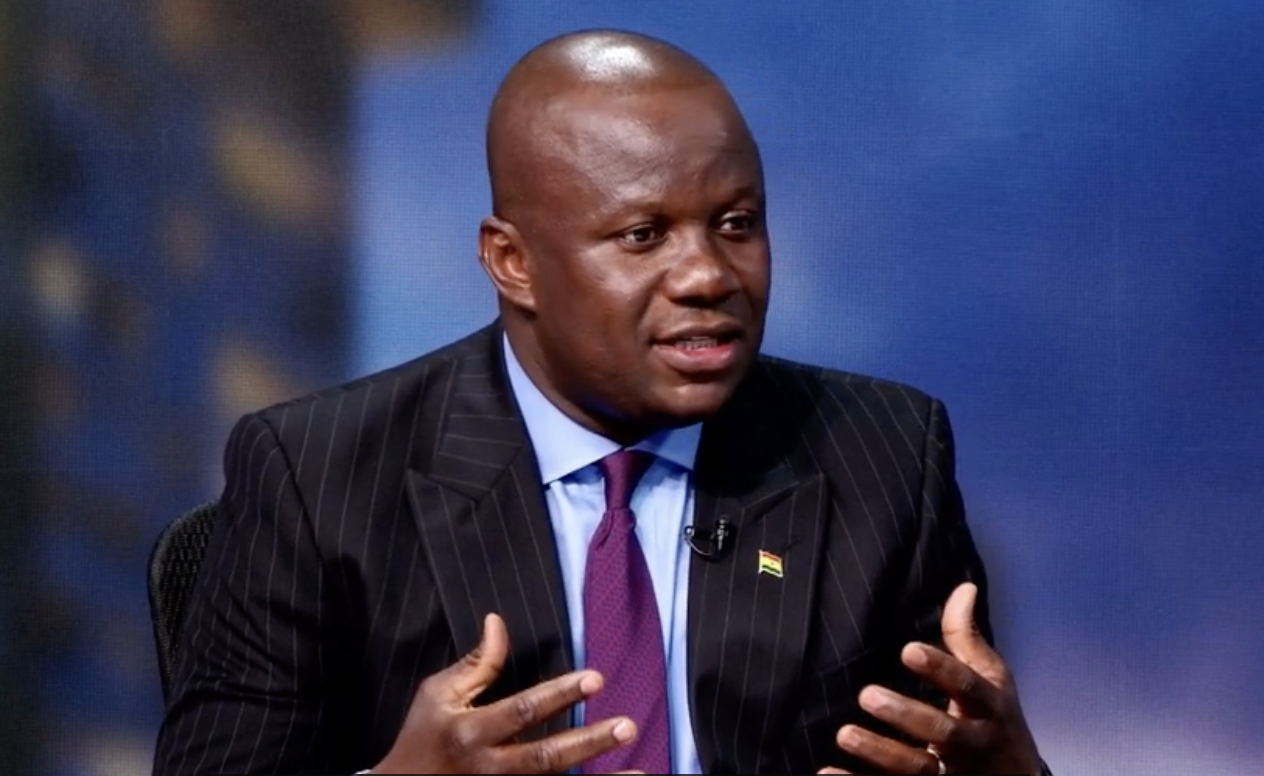
Ghana Minority Demands GH¢49.7m Evacuation Expenditure Itemised Bill
Summary
- Ghana's Minority in Parliament has requested an itemised account for GH¢49.7 million spent on evacuating and reintegrating citizens from South Africa.
- Samuel Abu Jinapor, MP for Damongo and Ranking Member of the Foreign Affairs Committee, emphasized the need for a detailed breakdown of the expenditure.
- The purpose of this detailed disclosure is to ensure both Parliament and the Ghanaian public understand how the funds were utilized.
- This demand highlights increased parliamentary scrutiny over public expenditure and promotes transparency in government spending.
Call for Financial Transparency
This heightened focus on Ghana public funds transparency may lead to more rigorous audits or investigations into government contracts and spending related to such operations.
The Minority caucus in Ghana's Parliament has formally requested a comprehensive, itemised account from the Ministry of Foreign Affairs concerning the reported expenditure of GH¢49.7 million. This significant sum was purportedly allocated for the evacuation and subsequent reintegration efforts for Ghanaian citizens returning from South Africa. The demand underscores a growing emphasis on public funds transparency within governmental operations.
Leading this call for greater accountability is Samuel Abu Jinapor, who serves as both the Member of Parliament for Damongo and the Ranking Member of Parliament’s Foreign Affairs Committee. Mr. Jinapor articulated the Minority's position, insisting that the Ministry's disclosure of the total amount spent on the South Africa Ghanaian evacuation costs must be accompanied by a meticulously detailed breakdown. This expenditure breakdown is deemed crucial for both legislative oversight and public understanding.
Parliamentary Oversight and Accountability
The request for an itemised bill on the Ghana Minority GH¢49.7m evacuation expenditure highlights the critical role of parliamentary oversight in ensuring responsible management of Ghana Ministry of Foreign Affairs spending. The Parliament Foreign Affairs Committee, through its ranking member, is asserting its mandate to scrutinize government financial activities, particularly those involving substantial public funds. This move signals a strengthened commitment to accountability within the legislative branch.
Such demands for detailed financial records are integral to upholding the principles of good governance and preventing potential misuse of state resources. The call for an expenditure breakdown is not merely procedural; it aims to provide clarity on how taxpayer money was utilized for the evacuation and reintegration process, ensuring that the reported figures align with actual services rendered and costs incurred. This proactive stance by the Ghana Minority seeks to foster greater trust between the government and its citizens regarding financial stewardship.
Implications for Public Expenditure
This development signals increased parliamentary scrutiny over public expenditure, particularly concerning emergency operations and foreign affairs initiatives. The insistence on an itemised bill for the GH¢49.7 million evacuation expenditure could set a precedent for future demands for detailed financial reporting across various government departments. This heightened focus on Ghana public funds transparency may lead to more rigorous audits or investigations into government contracts and spending related to such operations.
For entities involved in providing services or supplies for government-led evacuations or similar large-scale projects, this parliamentary action underscores the necessity of robust financial record-keeping. The expectation is that all expenditures, from logistical arrangements to reintegration support, will be thoroughly documented and justifiable. Ultimately, the objective is to ensure that both Parliament and the Ghanaian public possess a clear and comprehensive understanding of how the GH¢49.7 million was utilized, thereby reinforcing the government's commitment to fiscal responsibility and accountability to its citizens.
Practical Implications
This development signals increased parliamentary scrutiny over public expenditure, potentially leading to future audits or investigations into government contracts related to foreign affairs and emergency operations, which could impact entities involved in such dealings and necessitate robust financial record-keeping.
Source
How does this affect you?
Get an AI analysis of this article grounded in your jurisdictions, practice areas, and any policy documents you've uploaded to Wansom.
Finish Reading the Full Story and the Expert Analysis.
Wansom is AI and can make mistakes.