
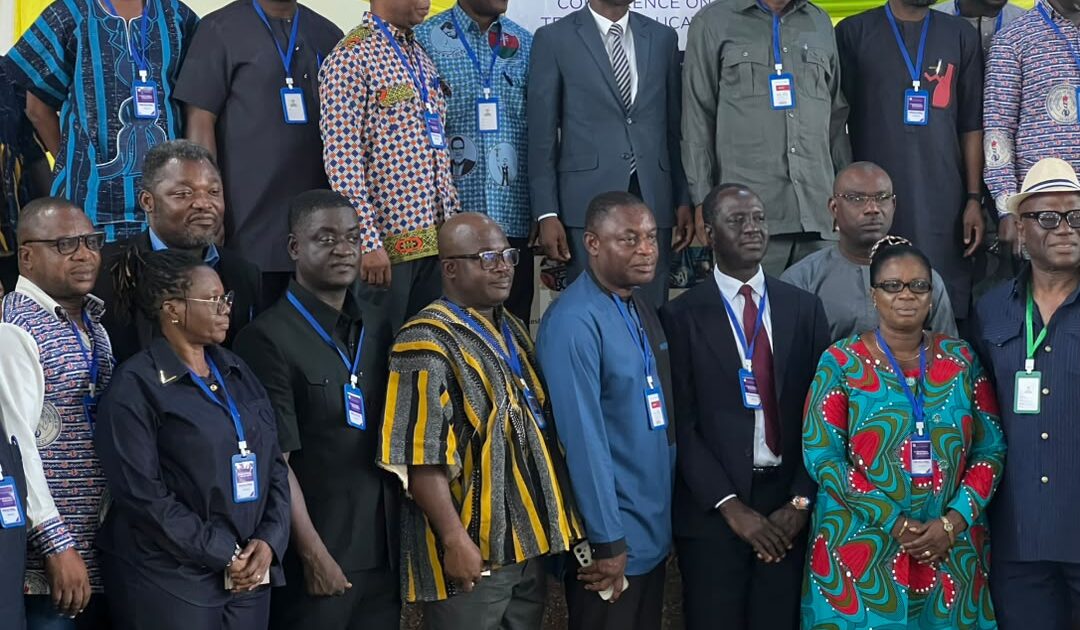
PRINCOF: Calls for Ghana National AI Policy Education
Summary
- Principals of Ghana's colleges of education are advocating for a national policy on artificial intelligence in teacher education.
- This call is driven by students' rapid adoption of AI, which is outpacing institutions' ability to develop appropriate guidelines.
- A policy framework is considered essential to address differing views on AI use among students and teachers.
- The educators also urged the government to provide teachers with digital resources, including laptops, for effective AI integration.
- These measures aim to facilitate the responsible and effective incorporation of AI into teaching, learning, and research.
The Call for Policy
Lawyers and compliance officers should closely monitor this advocacy for a national AI policy within Ghana's education sector, as it foreshadows potential future regulatory frameworks and compliance obligations for entities operating in this domain.
The leaders of Ghana's colleges of education are advocating for the establishment of a comprehensive national policy governing the application of artificial intelligence (AI) within the teacher education landscape. This significant call, spearheaded by the Conference of Principals of Colleges of Education (PRINCOF), underscores a growing recognition of AI's pervasive influence across academic environments.
Professor Samuel Awinkene Atintono, who serves as the National President of PRINCOF, has been a prominent voice in this discourse, emphasizing the critical need for a structured approach to AI integration. This push for a Ghana national AI policy education framework aims to provide clear guidelines for institutions and educators alike, ensuring a coherent strategy for technological adoption.
Rationale and Urgency
The urgency behind PRINCOF's AI policy call Ghana stems from a noticeable disparity: students are embracing and utilizing AI technologies at a pace that far exceeds the capacity of educational institutions to formulate appropriate regulatory guidelines. This rapid adoption has led to a situation where differing perspectives on the ethical and effective use of AI are prevalent among both students and teachers, creating potential inconsistencies in academic practices.
Without a unified framework, these divergent views could hinder the responsible integration of AI into pedagogical practices and research. Consequently, a national policy is deemed indispensable to harmonize approaches and ensure that AI tools are leveraged constructively and equitably across all colleges of education.
Broader Implications and Legal Context
This proactive stance by Ghana's education leaders carries significant implications for the broader regulatory environment. Lawyers and compliance officers should closely monitor this advocacy for a national AI policy within Ghana's education sector, as it foreshadows potential future regulatory frameworks and compliance obligations for entities operating in this domain.
Such a policy could introduce new guidelines concerning data privacy, intellectual property rights related to AI-generated content, and ethical considerations for AI deployment in learning environments. Educational institutions, technology providers, and developers of digital resources for teachers Ghana will need to prepare for potential shifts in legal and operational requirements, ensuring adherence to any forthcoming Ghana AI regulation education sector mandates.
Resource Needs for Effective Integration
Beyond the policy framework, the principals of colleges of education have also highlighted a crucial need for practical support to facilitate the effective integration of AI in Ghanaian teacher education. They are specifically urging the government to equip teachers with essential digital resources, including modern laptops, to bridge the existing technological gap.
The provision of these tools is considered vital for enabling educators to effectively incorporate AI into their teaching methodologies, enhance learning experiences for students, and conduct relevant research. This dual approach—policy development coupled with resource provision—aims to ensure that AI's potential is fully realized in advancing Ghana's educational objectives.
Practical Implications
Lawyers and compliance officers should monitor this call for a national AI policy in Ghana's education sector, as it signals potential future regulatory frameworks and compliance obligations for educational institutions and technology providers operating in this space. This could impact data privacy, intellectual property, and ethical AI use guidelines.
Source
How does this affect you?
Get an AI analysis of this article grounded in your jurisdictions, practice areas, and any policy documents you've uploaded to Wansom.
Finish Reading the Full Story and the Expert Analysis.
Wansom is AI and can make mistakes.