
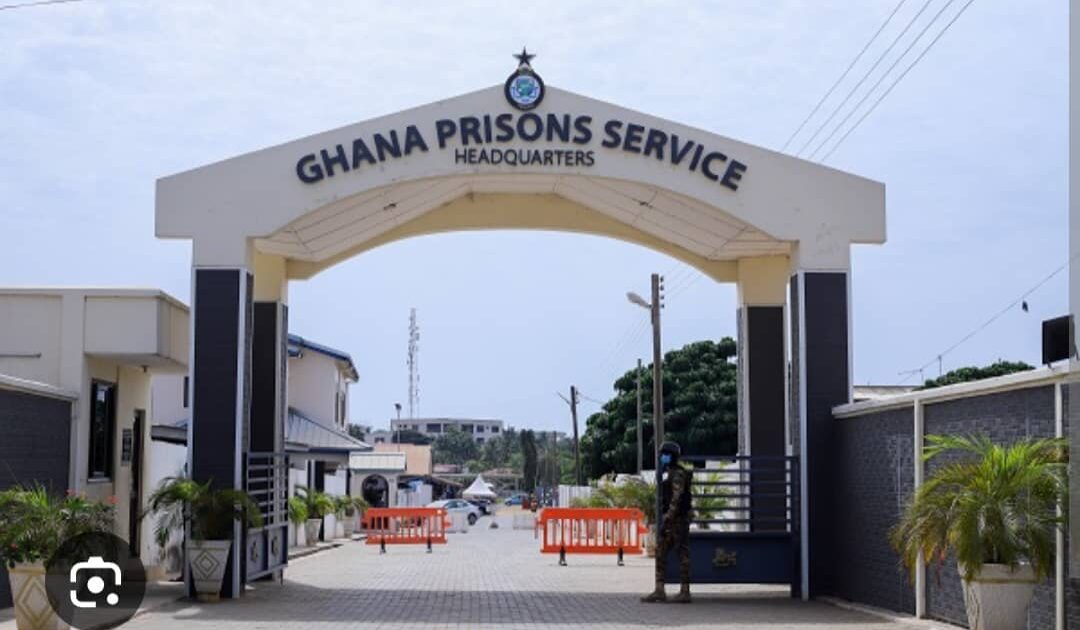
Ghana: Deep-Seated Prison Reform Challenges Persist Without Coordinated Action
Summary
- Ghana's prison system faces persistent challenges including overcrowding, poor infrastructure, and limited rehabilitation programs.
- Recent opportunities for reform, such as a 2025 African Commission visit and parliamentary hearings, yielded only incremental changes due to a lack of coordinated stakeholder efforts.
- The media, parliament, and civil society organizations are crucial for advocating reform, highlighting human rights issues, and promoting alternatives to incarceration like non-custodial sentencing.
- Parliamentary discussions have led to increased feeding rates and support for non-custodial sentencing, but sustained oversight and legislative action are still needed.
- Comprehensive prison reform is essential for public safety, justice administration, and human development, requiring continuous attention beyond isolated incidents.
Persistent Challenges in Ghana's Prison System
Despite widespread acknowledgment of these critical issues, comprehensive prison reform rarely achieves sustained focus at a national level.
Ghana's correctional facilities continue to grapple with significant systemic issues, presenting ongoing Ghana prison reform challenges that demand national attention. These long-standing problems encompass severe overcrowding, deteriorating infrastructure, and insufficient logistical support. Furthermore, the system is hampered by limited rehabilitation programs for inmates and difficult working conditions for Ghana Prisons Service officers, contributing to a complex public policy dilemma.
Despite widespread acknowledgment of these critical issues, comprehensive prison reform rarely achieves sustained focus at a national level. Public policy literature indicates that the inherent seriousness of a problem alone does not guarantee government intervention. Instead, issues typically gain priority when influential stakeholders effectively elevate them onto the national agenda, necessitating strategic advocacy and coordinated efforts to drive meaningful change within Ghana's criminal justice system.
Missed Opportunities for Comprehensive Reform
The potential for significant reform often arises when problems, viable solutions, and political opportunities converge, creating what is known as a "policy window." Ghana has recently experienced several such opportunities that could have propelled substantial changes within its prison system. These included a 2025 visit by the African Commission on Human and Peoples’ Rights, a series of parliamentary hearings focused on prison conditions, and the nationwide Think Prisons 360° initiative, all of which served to highlight the urgent need for improvements.
While these events underscored the potential for progress, a lack of coordinated effort among various stakeholders ultimately prevented them from catalyzing comprehensive reform. Consequently, the outcomes were largely limited to incremental adjustments rather than the systemic overhaul required to address the deep-seated Ghana prison reform challenges. This highlights the critical need for better collaboration to leverage future opportunities effectively.
Key Actors in Driving Prison Reform
Several key actors play crucial roles in advocating for and implementing Ghana criminal justice reform, particularly within the prison system. The media, for instance, is instrumental in shaping public priorities and influencing government action. However, reporting on prison issues often treats them as isolated incidents rather than symptoms of broader structural deficiencies. Opportunities like prison inspections, riots, escapes, legislative debates, and rehabilitation initiatives provide journalists with platforms to highlight Ghana prison human rights concerns, overcrowding, inadequate funding, and the need for effective rehabilitation. Sustained, investigative reporting can humanize both inmates and officers, fostering informed public discourse.
Parliament also bears a constitutional responsibility for promoting reform through oversight, accountability, and legislation. Recent parliamentary hearings brought to light concerns regarding inmate feeding allowances, infrastructure deficits, and operational difficulties. These discussions led to positive developments, including increases in feeding rates and enhanced support for Ghana non-custodial sentencing measures. However, enduring reform necessitates more than sporadic interventions; parliamentary committees should conduct regular inspections, monitor rehabilitation programs, and rigorously evaluate prison funding and management. Legislative efforts must continue to champion alternatives to incarceration, such as community service and rehabilitation-focused sentencing, as vital strategies for alleviating overcrowding. Civil society organizations (CSOs) are equally critical, acting as vital advocates for prisoners—a politically underrepresented group. Through research, public education, policy briefs, media engagement, and strategic advocacy, CSOs ensure that prison issues remain visible, utilizing inspections, international human rights events, and reports on conditions to maintain public and political attention.
The Broader Significance of Prison Reform
Addressing the Ghana prison reform challenges extends beyond the confines of correctional facilities; it is intrinsically linked to broader national objectives. Effective prison reform is a cornerstone of public safety, sound justice administration, and overall human development. The systemic issues within Ghana's prisons not only impact inmates and staff but also reflect on the nation's commitment to human rights and equitable justice.
Therefore, a holistic approach is essential, integrating improvements in prison conditions with wider criminal justice reforms. This includes a continued emphasis on non-custodial sentencing options to reduce the burden on overcrowded facilities and a sustained focus on rehabilitation to foster successful reintegration into society. The collective efforts of media, parliament, and civil society are indispensable in maintaining pressure for these vital changes, ensuring that Ghana's prison system evolves to meet contemporary standards of justice and human dignity.
Practical Implications
Lawyers advising on criminal matters in Ghana should be aware of the systemic challenges within the prison system, such as overcrowding and inadequate conditions, which may strengthen arguments for non-custodial sentencing or inform human rights advocacy. This context also signals potential areas for future legislative reform or litigation.
Source
How does this affect you?
Get an AI analysis of this article grounded in your jurisdictions, practice areas, and any policy documents you've uploaded to Wansom.
Finish Reading the Full Story and the Expert Analysis.
Wansom is AI and can make mistakes.