
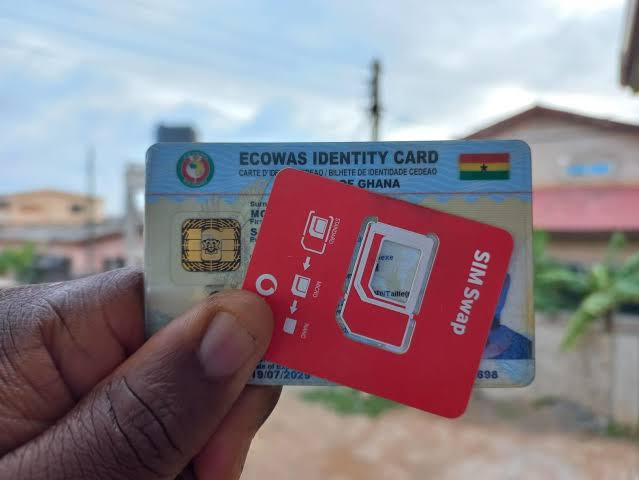
Ghana: Real-Time SIM Biometric Verification By 2026
Summary
- Ghana has progressively strengthened its mobile phone user registration over 16 years to enhance subscriber identification and combat fraud.
- The country transitioned from an initial system using various IDs to mandating the Ghana Card for SIM registration.
- A new, more advanced system involving real-time biometric verification is planned for implementation before the end of 2026.
- These successive efforts aim to create a more secure and accountable mobile telecommunications environment.
Ghana's Evolving Mobile Subscriber Identification
The latest and most advanced phase in this ongoing evolution is the planned implementation of a real-time biometric verification system.
Ghana has systematically refined its approach to registering mobile phone users over the past sixteen years, driven by a consistent objective to bolster subscriber identification and combat mobile fraud. This journey has seen the nation transition through several distinct phases, each building upon the last to enhance the integrity of its telecommunications network. The initial framework for subscriber registration relied on a variety of identification documents, allowing for a somewhat broad spectrum of accepted proofs of identity.
This early system eventually gave way to a more unified approach centered around the Ghana Card. The introduction and subsequent mandatory use of the Ghana Card marked a significant step towards standardizing and strengthening the verification process for mobile subscribers across the country. This move aimed to create a more robust link between individuals and their registered SIM cards, thereby improving accountability and traceability within the mobile network.
The latest and most advanced phase in this ongoing evolution is the planned implementation of a real-time biometric verification system. This forthcoming development represents a substantial leap forward in Ghana's efforts to ensure accurate and secure mobile subscriber identification. It underscores the nation's commitment to leveraging cutting-edge technology to address persistent challenges related to mobile fraud and identity verification.
The New Biometric Verification System
The upcoming real-time biometric verification system is poised to redefine how mobile phone users are identified and registered in Ghana. This advanced technology is designed to provide an even higher degree of certainty regarding subscriber identity, moving beyond document-based verification to incorporate unique biological characteristics. The introduction of such a system is a direct response to the continuous need for more secure and foolproof methods of linking individuals to their mobile services.
Authorities anticipate that this sophisticated system for Ghana SIM biometric verification will commence operations before the close of 2026. This timeline indicates a strategic push to integrate enhanced security measures within the next few years, ensuring that the country's mobile subscriber identification capabilities remain at the forefront of global best practices. The implementation will represent the culmination of years of progressive regulatory adjustments and technological upgrades aimed at securing the telecom landscape.
This initiative is expected to significantly impact the operational procedures for telecommunications companies and the overall experience for mobile users. The shift to real-time biometric verification is a critical component of Ghana's broader strategy to create a more secure digital environment, making it harder for illicit activities to thrive through anonymous mobile usage. It builds upon the foundation laid by previous Ghana SIM registration evolution efforts, promising a more resilient and trustworthy mobile network.
Implications for Telecom Compliance and Security
The continuous evolution of Ghana's SIM registration framework, culminating in the planned Ghana SIM biometric verification 2026, highlights a persistent regulatory drive towards enhanced security and accountability within the telecommunications sector. Each successive exercise, from the initial multi-ID system to the Ghana Card SIM linkage requirements, has been strategically implemented to strengthen subscriber identification and proactively tackle mobile fraud. This trajectory indicates a clear commitment from regulatory bodies, such as the NCA Ghana, to maintain a robust and secure mobile ecosystem.
The transition to a real-time biometric verification system before the end of 2026 will introduce new layers of compliance for mobile network operators and service providers. This development is not merely an administrative update but a fundamental shift in how subscriber identities are confirmed and managed. It underscores the importance of robust mobile subscriber identification as a cornerstone for national security and economic integrity, aiming to mitigate risks associated with identity theft, financial fraud, and other criminal activities facilitated by anonymous mobile communication.
Ultimately, these changes reflect a comprehensive strategy to ensure that Ghana's telecom compliance changes keep pace with technological advancements and evolving security threats. The move towards biometric verification is a proactive measure designed to future-proof the mobile network against sophisticated forms of fraud, ensuring that every mobile subscriber can be reliably identified. This strengthens the overall integrity of the communication infrastructure, benefiting both individual users and the broader economy.
Practical Implications
Lawyers advising telecommunications companies or businesses relying on robust mobile subscriber identification in Ghana should monitor the development of the new biometric verification system, anticipated by end of 2026, to ensure client compliance with evolving data privacy and registration requirements.
Source
Source: Original reporting via {source}
How does this affect you?
Get an AI analysis of this article grounded in your jurisdictions, practice areas, and any policy documents you've uploaded to Wansom.
Finish Reading the Full Story and the Expert Analysis.
Wansom is AI and can make mistakes.