
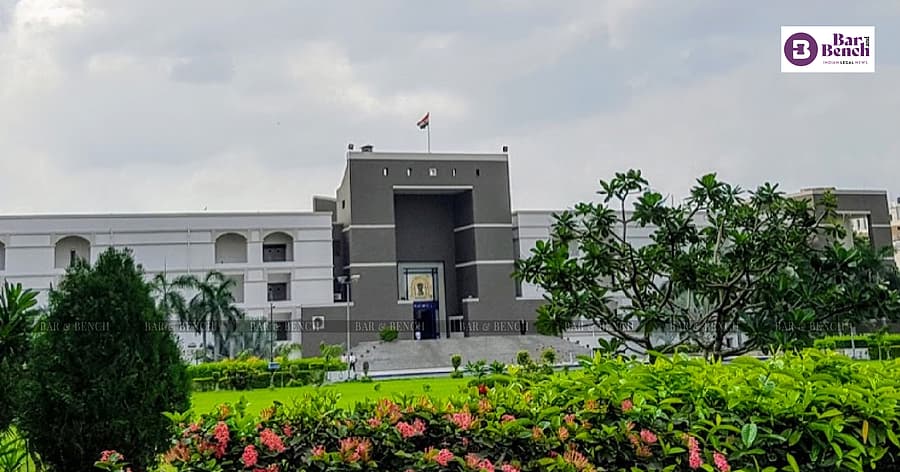
Gujarat High Court: Quashes Section 295A Buddha Saree Case
Summary
- The Gujarat High Court quashed a criminal case against a textile merchant accused of outraging religious feelings.
- The case involved sarees featuring images of Gautam Buddha on their pallus, leading to the accusation under Section 295A of the Indian Penal Code.
- Justice PM Raval ruled that selling textile materials with artistic depictions of a deity does not automatically imply deliberate malice or intent to disrupt public order.
- The court emphasized that a demonstrable intent to commit the offense is required for an action to fall under Section 295A.
- Commercial activity involving religious motifs, without overt acts or demonstrable intent to denigrate, does not constitute a criminally punishable insult.
What Happened
Commercial activity incorporating religious motifs, when undertaken without any overt inflammatory actions, provocative rhetoric, or a clear intent to disparage a religious belief, does not meet the necessary threshold for a criminally punishable insult under this section.
The Gujarat High Court recently intervened in a criminal matter, opting to quash proceedings against a textile merchant who faced accusations of offending religious sentiments. The case, identified as Bharatbhai Hirjibhai Shankar vs State Of Gujarat, centered on the sale of sarees that featured artistic depictions of Gautam Buddha on their pallus. This judicial intervention effectively brought an end to the legal challenge against the merchant.
Justice PM Raval, presiding over the case, delivered a significant ruling that clarified the threshold for such offenses. The court specifically addressed the notion that merely selling items with religious imagery could automatically be construed as an act of deliberate malice. The decision underscores a critical distinction between commercial activity and an intentional affront to religious beliefs, particularly when artistic representations are involved.
Legal Context of Section 295A
The core of the accusation rested on Section 295A of the Indian Penal Code, which criminalizes acts intended to outrage religious feelings. However, the Gujarat High Court’s ruling emphasized that for an action to fall under this section, a clear and demonstrable intent to commit the offense must be present. Justice Raval explicitly stated that the act of printing or selling textile materials adorned with artistic depictions of a deity or revered icon, even if these images appear on parts of the garment like the lower border or pallu, cannot automatically be presumed to stem from deliberate malice or an intention to disrupt public order.
The court further elaborated that to deem such commercial activities as an insult to religious feelings under Section 295A, without any verifiable intent to cause offense, would be impermissible. This interpretation places a high burden on prosecutors to prove malicious intent rather than relying on the mere presence of religious motifs on commercial goods. The ruling differentiates between an artistic or commercial use of religious symbols and a deliberate, calculated attempt to denigrate religious beliefs.
Why It Matters
This judgment from the Gujarat High Court provides crucial clarity regarding the application of Section 295A, particularly in the context of commercial endeavors involving religious iconography. It establishes that commercial activity incorporating religious motifs, when undertaken without any overt inflammatory actions, provocative rhetoric, or a clear intent to disparage a religious belief, does not meet the necessary threshold for a criminally punishable insult under this section. The court's stance reinforces the principle that the law requires more than just a perceived offense; it demands proof of a specific, malicious intent.
The decision is significant for businesses and individuals engaged in the production or sale of goods that might incorporate religious themes. It suggests that the mere presence of a religious figure, such as Lord Buddha on a saree pallu, in a commercial context, is insufficient grounds for a criminal charge under Section 295A. Instead, prosecutors must demonstrate a calculated effort to outrage religious feelings, setting a higher bar for what constitutes a criminal offense in such circumstances. This ruling helps prevent the automatic criminalization of artistic or commercial expressions that inadvertently involve religious symbols without malicious intent.
Practical Implications
This ruling clarifies the high threshold for proving malicious intent under Section 295A IPC, particularly for commercial activities involving religious motifs. Lawyers can cite this precedent to defend clients accused of outraging religious feelings through product design or marketing, emphasizing the need for demonstrable intent rather than automatic presumption of offense.
Source
How does this affect you?
Get an AI analysis of this article grounded in your jurisdictions, practice areas, and any policy documents you've uploaded to Wansom.
Finish Reading the Full Story and the Expert Analysis.
Get the latest legal & regulatory intelligence in India
Wansom is AI and can make mistakes.