
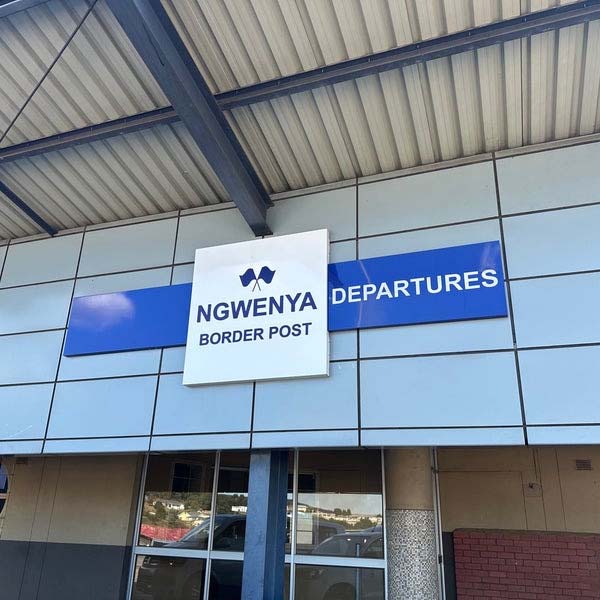
Royal Eswatini Police Service: Maize Smuggling Investigation Targets Illicit Imports
Summary
- The Royal Eswatini Police Service and National Maize Corporation have launched an investigation into a suspected syndicate.
- The syndicate is allegedly smuggling tonnes of white maize from South Africa into Eswatini.
- Two consignments of white maize, transported by trucks, have already been intercepted.
- This probe highlights increased enforcement against illicit cross-border trade in agricultural commodities.
- The investigation aims to protect Eswatini's food security and economic stability from illegal imports.
Investigation Launched into Maize Smuggling
This investigation signals heightened enforcement against illicit trade in agricultural commodities in Eswatini, particularly concerning staple foods like white maize.
Authorities in Eswatini have initiated a comprehensive investigation targeting a suspected criminal network allegedly involved in the illicit importation of significant quantities of white maize. The Royal Eswatini Police Service (REPS) is spearheading this probe, working in close collaboration with the National Maize Corporation (NMC), a key parastatal responsible for the country's strategic grain reserves and food security.
The focus of the Eswatini maize smuggling investigation is a syndicate believed to be orchestrating the movement of tonnes of white maize across the border from South Africa into Eswatini without proper authorization or customs clearance. This collaborative effort underscores a concerted push by national agencies to curb illegal cross-border trade in essential agricultural commodities.
Initial enforcement actions stemming from this ongoing inquiry have already yielded tangible results. Law enforcement officials have successfully intercepted two distinct consignments of white maize. Both illicit shipments were discovered being transported by trucks, indicating a logistical operation designed to circumvent official import channels and customs checkpoints.
Legal and Regulatory Context
The alleged activities fall under the purview of customs and trade regulations designed to control the flow of goods, particularly staple foods like maize, into Eswatini. Such illegal imports, often referred to as Eswatini white maize illegal import, can have significant ramifications, including undermining local agricultural markets, evading import duties, and potentially introducing products that do not meet national quality or safety standards.
Investigations into cross-border trade Eswatini South Africa involving agricultural products are critical for maintaining economic stability and food security. The involvement of the National Maize Corporation smuggling probe alongside the Royal Eswatini Police Service maize enforcement highlights the dual nature of the threat: not only a breach of law but also a potential disruption to the national food supply chain managed by the NMC. This coordinated response signals a robust approach to Eswatini customs enforcement, aiming to deter future illicit trade.
Smuggling operations of this scale typically involve complex logistics and multiple actors, from suppliers in the originating country to transporters and distributors within Eswatini. The interception of truck-borne consignments suggests that the syndicate employs organized methods to move large volumes of product, necessitating a thorough and sustained investigative effort by Eswatini customs enforcement and police.
Why This Matters
This investigation signals heightened enforcement against illicit trade in agricultural commodities in Eswatini, particularly concerning staple foods like white maize. The integrity of the national food supply and the stability of local markets are directly impacted by unauthorized imports, which can depress prices for local farmers or introduce unfair competition.
For businesses involved in import/export, logistics, or the agricultural sectors, this development underscores the critical importance of stringent compliance protocols for cross-border movements of maize, especially between Eswatini and South Africa. The active involvement of both law enforcement and a key economic parastatal like the NMC indicates that authorities are taking a firm stance against such activities.
Failure to adhere to proper import procedures and regulations could expose entities to severe consequences, including the seizure of goods, substantial financial penalties, and potential criminal charges. The ongoing Eswatini maize smuggling investigation serves as a clear warning that authorities are actively monitoring and intercepting illegal shipments, reinforcing the need for all participants in the supply chain to ensure their operations are fully compliant with national laws.
Practical Implications
This investigation signals heightened enforcement against illicit trade in agricultural commodities in Eswatini. Lawyers advising clients in import/export, logistics, or agricultural sectors should review compliance protocols for cross-border movements of maize, particularly between Eswatini and South Africa, to mitigate risks of seizure, fines, or criminal charges.
Source
How does this affect you?
Get an AI analysis of this article grounded in your jurisdictions, practice areas, and any policy documents you've uploaded to Wansom.
Finish Reading the Full Story and the Expert Analysis.
Wansom is AI and can make mistakes.