
US Treasury: Eswatini Fraudulent Iranian Oil Sanctions Scheme Exposed
Summary
- Oil tankers transported sanctioned Iranian petroleum using Eswatini's name through fraudulent ship registrations.
- A Singapore-based company, established in 2023, allegedly issued these registrations despite lacking government authorization.
- The Eswatini government had explicitly rejected these registrations, according to the United States Treasury.
- Washington has imposed sanctions on the Singaporean company for its role in the scheme.
What Happened
The sophisticated methodology employed in this evasion scheme—involving the unauthorized use of a national flag and fraudulent documentation—demands a heightened level of vigilance.
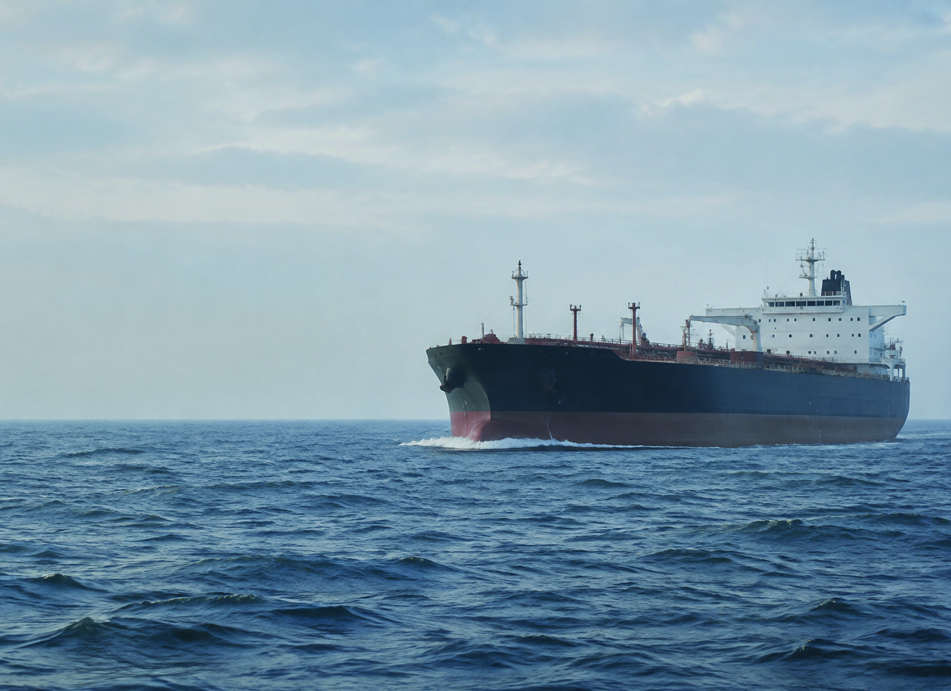
The United States Treasury has brought to light a significant operation involving the illicit transport of sanctioned Iranian petroleum, which was conducted under the name of Eswatini. This intricate scheme utilized fraudulent ship registrations, which were reportedly issued by a foreign company, to facilitate the movement of oil tankers carrying the restricted cargo. The US government's findings underscore a deliberate attempt to circumvent international sanctions.
Crucially, the Eswatini government had explicitly rejected these specific registrations, indicating that the use of its national identity was unauthorized and illegitimate. This revelation from Washington highlights the persistent and evolving nature of Iranian oil sanctions evasion schemes, where actors employ deceptive practices to obscure the origin and destination of prohibited goods. The incident points to a sophisticated network designed to exploit vulnerabilities in global maritime administration.
The Evasion Mechanism
At the core of this illicit activity is a company based in Singapore, which was established in the year 2023. Despite the clear absence of governmental authorization from Eswatini, this Singaporean entity allegedly proceeded to register numerous vessels under the kingdom's flag. This continued issuance of fraudulent ship registrations was instrumental in enabling the transportation of sanctioned Iranian petroleum, directly contributing to the circumvention of international restrictions.
The US Treasury's investigation into this matter reveals how bad actors can exploit corporate structures and administrative gaps to conduct OFAC Eswatini sanctions evasion. The deliberate act of registering ships under a national flag without proper consent or authority represents a serious challenge to the integrity of global shipping regulations. In response to these findings, Washington has taken firm action, imposing sanctions on the Singapore-based company implicated in these fraudulent activities. This measure aims to disrupt the network facilitating such illicit trade.
Implications for Global Compliance
This specific case, centered on Eswatini fraudulent Iranian oil sanctions, carries profound implications for compliance professionals and legal advisors across the shipping, trade, and finance industries. The sophisticated methodology employed in this evasion scheme—involving the unauthorized use of a national flag and fraudulent documentation—demands a heightened level of vigilance. It underscores the critical need for organizations to significantly enhance their due diligence processes, particularly when verifying ship registrations and vetting counterparties.
The incident serves as a stark reminder of the complex and often opaque nature of sanctions circumvention, emphasizing that inadvertent involvement in such schemes poses substantial shipping compliance sanctions risk. Companies must implement robust frameworks to identify and mitigate these risks, ensuring that their operations are not unwittingly supporting illicit trade. The US Treasury Iranian oil sanctions Eswatini context further highlights the ongoing efforts by authorities to track and penalize entities that facilitate the movement of sanctioned goods, reinforcing the global imperative for stringent adherence to international trade regulations.
Practical Implications
Compliance officers and legal counsel in shipping, trade, and finance sectors must enhance due diligence on ship registrations and counterparty verification to mitigate risks of inadvertent involvement in sanctions evasion schemes, particularly those involving fraudulent use of national flags or identities. This incident highlights the sophisticated nature of sanctions circumvention and the need for robust compliance frameworks.
Source
How does this affect you?
Get an AI analysis of this article grounded in your jurisdictions, practice areas, and any policy documents you've uploaded to Wansom.
Finish Reading the Full Story and the Expert Analysis.
Get the latest legal & regulatory intelligence in Eswatini
Wansom is AI and can make mistakes.