
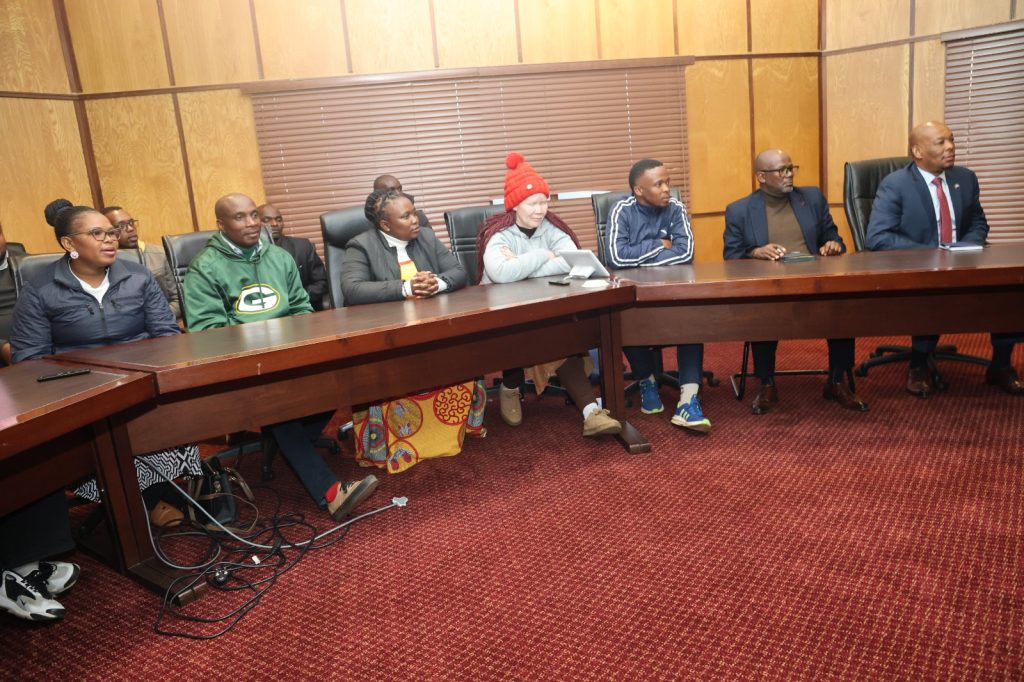
Eswatini Commission Inquiry: Powers To Question TLC Workers Confirmed
Summary
- A Commission of Inquiry has the authority to interview employees and other relevant parties of The Luke Commission.
- This investigative power is explicitly granted by the commission's terms of reference.
- The primary goal of these interviews is to establish facts concerning allegations of misconduct and malpractice at TLC.
- Commissioners are empowered to secure all necessary information related to these serious allegations.
The Inquiry's Reach
For legal professionals advising The Luke Commission or its employees, preparing clients for potential interviews by the Commission of Inquiry becomes an absolutely paramount task.
The Commission of Inquiry, a body potentially tasked with investigating The Luke Commission (TLC), possesses explicit and far-reaching authority to conduct interviews with individuals connected to the organization. This mandate specifically allows the Commission to question employees of TLC, alongside any other parties deemed relevant to its ongoing investigation. The overarching objective behind these extensive interviews is to meticulously gather comprehensive information and definitively establish the factual circumstances surrounding various serious allegations.
These allegations, which form the core of the inquiry, specifically concern reported instances of misconduct and malpractice said to have occurred within the institution. The broad scope of the Commission's power ensures its capacity to delve deeply into every aspect of TLC's operational and ethical conduct, aiming for complete clarity on the reported issues. This investigative capability underscores the gravity of the inquiry and its potential profound impact on the organization, its leadership, and its entire personnel.
Legal Mandate and Scope of Powers
The foundational basis for the Commission of Inquiry's extensive powers, particularly its ability to question Eswatini Commission Inquiry TLC workers, is firmly rooted in its officially established terms of reference. These critical documents explicitly grant the commissioners the necessary authority to secure information pertinent to their investigation. This robust legal framework empowers the body to compel testimony, gather documentary evidence, and conduct thorough examinations from a wide array of sources, thereby ensuring a comprehensive and unbiased examination of the claims.
The specific wording within these terms of reference is of paramount importance, as it precisely delineates the boundaries and capabilities of the Commission. It is through these carefully crafted provisions that the Commission gains its legal standing to pursue facts related to TLC misconduct allegations Eswatini, enabling it to systematically address concerns about operational integrity, professional standards, and patient care. This strong legal backing is a defining characteristic of the Commission of Inquiry Eswatini powers, specifically designed to facilitate exhaustive fact-finding and accountability. The Eswatini malpractice inquiry authority vested in the Commission ensures that no stone is left unturned in its pursuit of truth.
Critical Implications for The Luke Commission
The exercise of this significant authority by the Commission of Inquiry carries profound and critical implications for The Luke Commission and all individuals associated with its operations. Any person connected with TLC, ranging from its senior leadership and management to its medical professionals and administrative staff, could foreseeably be subject to questioning by the Commission. This situation necessitates a clear and thorough understanding among all involved parties regarding the investigative process and the full extent of the Commission's Eswatini malpractice inquiry authority.
For legal professionals advising The Luke Commission or its employees, preparing clients for potential interviews by the Commission of Inquiry becomes an absolutely paramount task. It is essential for legal counsel to fully grasp the broad and extensive powers vested in such commissions to secure information regarding misconduct allegations, ensuring their clients are adequately prepared for the rigor of the inquiry. Similarly, compliance officers operating within Eswatini must recognize and appreciate the extensive investigative powers granted to Commissions of Inquiry, particularly when confronting allegations of misconduct or malpractice, as these bodies are equipped to conduct far-reaching and detailed probes. The ongoing The Luke Commission Eswatini investigation thus represents a significant legal, ethical, and operational challenge that demands careful navigation and full cooperation.
Practical Implications
Lawyers advising The Luke Commission or its employees must prepare clients for potential interviews by the Commission of Inquiry, understanding its broad powers to secure information regarding misconduct allegations. Compliance officers in Eswatini should note the extensive investigative powers granted to Commissions of Inquiry, particularly when facing allegations of misconduct or malpractice.
Source
How does this affect you?
Get an AI analysis of this article grounded in your jurisdictions, practice areas, and any policy documents you've uploaded to Wansom.
Wansom is AI and can make mistakes.