
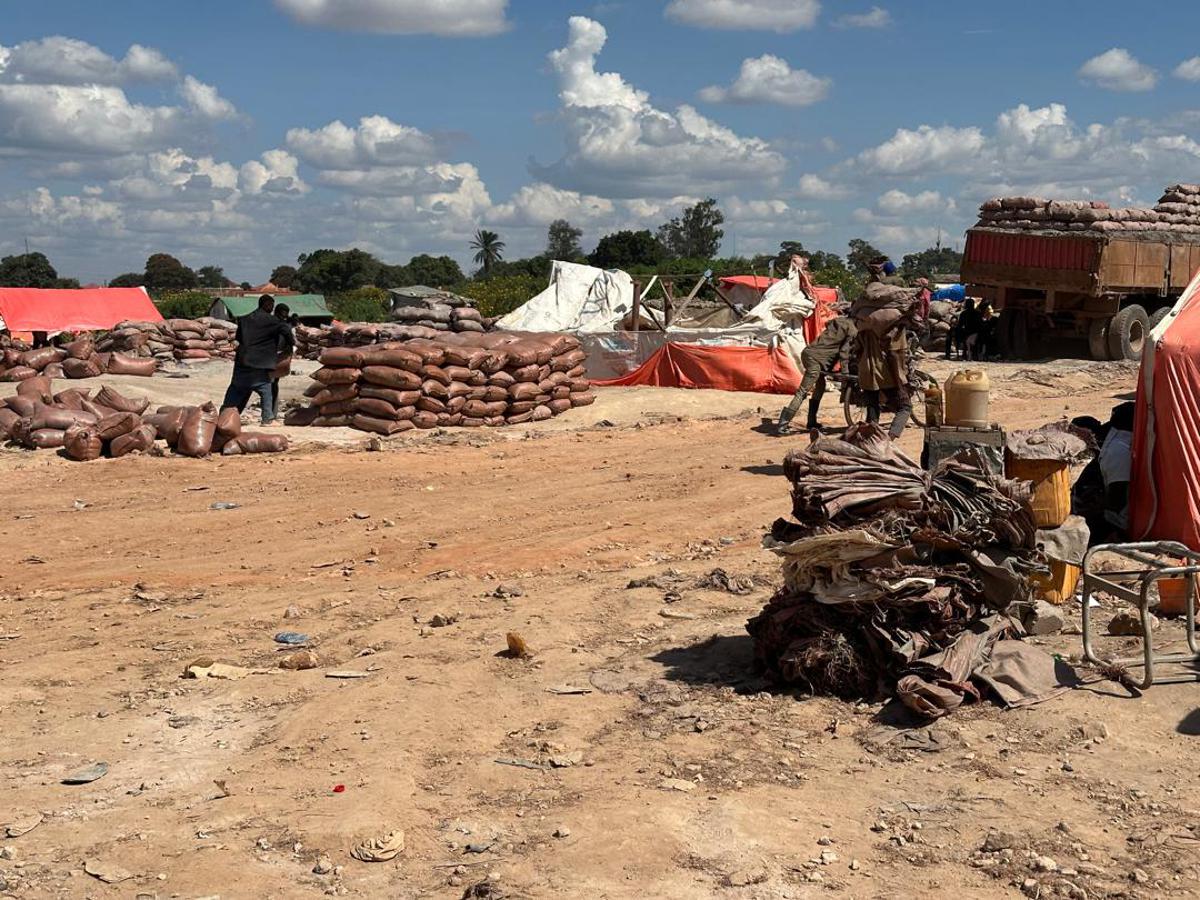
Kolwezi: Kamilombe Mining Site Evacuation Displaces 30,000
Summary
- Over 30,000 people have been forcibly displaced from the Kamilombe mining site in Kolwezi since October 25.
- The eviction benefits Kabulungu Kamilombe Mining, a joint venture between Gécamines and Falcon Ressources.
- Falcon Ressources is reportedly linked to an Emirati group.
- The displaced population relied directly or indirectly on activities at the Kamilombe site.
- Local sources have confirmed the large-scale forced departure of these residents.
Mass Displacement at Kamilombe
For mining companies operating in the Democratic Republic of Congo, particularly those involved in joint ventures like Kabulungu Kamilombe Mining, the handling of large-scale displacements carries significant legal and reputational risks.
A significant humanitarian situation has unfolded in Kolwezi, where more than 30,000 individuals have been compelled to vacate the Kamilombe mining site. This large-scale displacement, which commenced on October 25, affects a population that relied either directly or indirectly on the economic activities generated by the site.
The forced departure of these residents is reportedly to facilitate the operations of Kabulungu Kamilombe Mining. This entity is a joint venture established between Gécamines, the state-owned mining company, and Falcon Ressources, a firm with reported ties to an Emirati group. The information regarding this extensive evacuation has been corroborated by multiple local sources within the region.
Corporate Interests and Joint Ventures
The establishment of Kabulungu Kamilombe Mining, a collaboration between Gécamines and Falcon Ressources, underscores the growing corporate interest in the rich mineral deposits of the Democratic Republic of Congo. Falcon Ressources' connection to an Emirati group highlights the international dimension of these mining ventures, bringing global capital and operational expertise to the region.
Such joint ventures are common in the DRC's mining sector, often involving large-scale operations that necessitate significant land access. The current situation at Kamilombe exemplifies the complex interplay between national resource exploitation, international investment, and local community livelihoods, particularly concerning the Kabulungu Kamilombe Mining displacement.
Community Impact and Human Rights Concerns
The eviction of over 30,000 people from the Kamilombe mining site raises substantial human rights concerns. Many of those displaced are likely artisanal miners or individuals whose livelihoods are intricately linked to the informal mining economy, making this a significant Kolwezi artisanal miners eviction. The sudden loss of their primary source of income and shelter presents an immediate and severe challenge for these communities.
The process of DRC mining site resettlement, especially on this scale, demands careful consideration of human dignity and economic stability. Without adequate planning and compensation, such displacements can lead to increased poverty, social unrest, and long-term humanitarian crises, drawing attention to the Kamilombe human rights concerns inherent in such operations.
Legal and Reputational Risks
For mining companies operating in the Democratic Republic of Congo, particularly those involved in joint ventures like Kabulungu Kamilombe Mining, the handling of large-scale displacements carries significant legal and reputational risks. Legal advisors must meticulously scrutinize resettlement plans and compensation frameworks to ensure they meet international human rights standards and comply with local land laws.
Compliance officers have a critical role in ensuring adherence to these standards, thereby mitigating potential litigation and safeguarding the company's social license to operate. Failure to address the humanitarian impact and legal obligations associated with the Kamilombe mining site evacuation in Kolwezi can result in severe financial penalties, operational disruptions, and lasting damage to corporate reputation.
Practical Implications
Lawyers advising mining companies in the DRC, especially those involved in joint ventures like Kabulungu Kamilombe Mining, must scrutinize resettlement plans and compensation frameworks for large-scale displacements to mitigate legal and reputational risks. Compliance officers should ensure adherence to human rights standards and local land laws to avoid potential litigation and maintain social license to operate.
Source
How does this affect you?
Get an AI analysis of this article grounded in your jurisdictions, practice areas, and any policy documents you've uploaded to Wansom.
Wansom is AI and can make mistakes.