
FRN Kabila: Qatar Mediation Against Tshisekedi Constitution
Summary
- The Front pour la Refondation de la Nation (FRN), a political-military coalition led by Joseph Kabila, has formally sought Qatar's mediation.
- This action, taken in Doha on November 6, 2026, opposes a proposed constitutional change initiated by President Tshisekedi.
- The FRN's engagement with Qatar highlights significant political divisions over the Democratic Republic of Congo's constitutional future.
- International mediation could influence the legitimacy and legality of any future constitutional amendments in the DRC.
What Happened
An international intervention of this nature could sway the legality and legitimacy of any future amendments, potentially leading to legal challenges within the DRC's judicial system or prompting broader international scrutiny of the constitutional reform process.
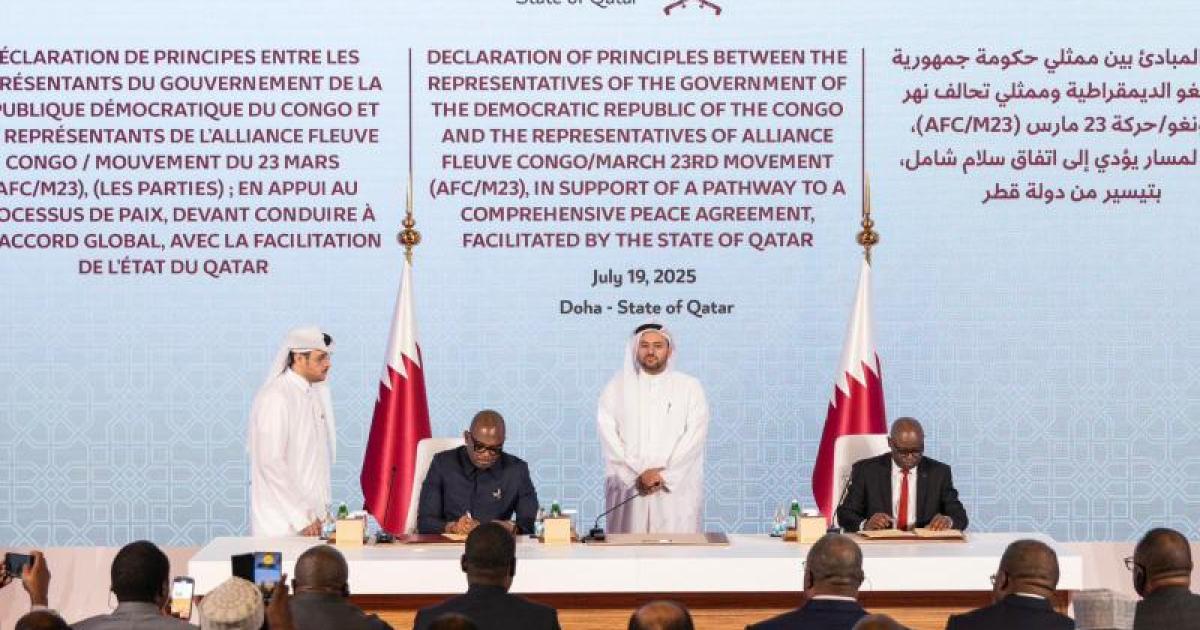
The Front pour la Refondation de la Nation (FRN), a political-military coalition formed on October 12, 2026, and led by former President Joseph Kabila, has formally engaged the mediation efforts of the State of Qatar. This significant development, which took place in Doha on Friday, November 6, 2026, represents a direct challenge to the current political agenda in the Democratic Republic of Congo. The FRN's primary objective in seeking this international intervention is to oppose a proposed constitutional change championed by President Tshisekedi. This action underscores the deep political divisions within the DRC regarding the nation's foundational legal document. The involvement of an external mediator like Qatar suggests a recognition by the FRN that domestic avenues for resolving this constitutional dispute may be insufficient or have been exhausted. The specific nature of the proposed constitutional amendment by Tshisekedi, while not detailed in the immediate context, is clearly contentious enough to warrant international engagement from the opposition. The security implications surrounding such a fundamental legal shift are also a key concern for the FRN.
Constitutional Stakes
The Democratic Republic of Congo's constitution serves as the bedrock of its governance, and any proposed constitutional reform or amendment carries profound implications for the country's political stability and future. President Tshisekedi's initiative to alter this fundamental document has evidently met with strong opposition from the FRN, led by figures aligned with Joseph Kabila, who view such changes as potentially destabilizing or detrimental to the nation's democratic principles. The process of a DRC constitutional review is inherently complex, often involving extensive debate and potential for legal challenges. The decision by the Front pour la Refondation de la Nation to involve the Qatari mediation highlights the high stakes associated with Tshisekedi's constitutional amendment. Such international engagement can elevate domestic political disputes onto a global stage, inviting scrutiny from various international bodies and potentially influencing the perceived legitimacy of any eventual constitutional changes. This move by the FRN against Tshisekedi's constitution project signals a strategic effort to leverage international pressure to safeguard what they perceive as the integrity of the existing constitutional framework.
International Mediation and Future Implications
The State of Qatar's role as a mediator in this dispute over the proposed constitutional changes in the DRC introduces a critical layer of international diplomacy into Congo politics. While the specific mandate of the Qatari mediation is not fully detailed, its engagement by the FRN against Tshisekedi's constitutional project indicates a perceived need for an impartial arbiter to navigate the contentious issues surrounding the potential reform. This type of international intervention can significantly influence the trajectory and outcome of domestic legal and political processes. For legal professionals, the Qatari mediation's impact on the proposed constitutional changes in the DRC warrants close attention. An international intervention of this nature could sway the legality and legitimacy of any future amendments, potentially leading to legal challenges within the DRC's judicial system or prompting broader international scrutiny of the constitutional reform process. The involvement of an external state in such a sensitive internal matter suggests that the path to a universally accepted constitutional review will likely be complex and subject to ongoing political and legal contestation, with the potential for significant legal ramifications for all parties involved.
Practical Implications
Lawyers should monitor the Qatari mediation's impact on the proposed constitutional changes in the DRC, as this international intervention could influence the legality and legitimacy of any future amendments, potentially leading to legal challenges or international scrutiny of the constitutional reform process.
Source
How does this affect you?
Get an AI analysis of this article grounded in your jurisdictions, practice areas, and any policy documents you've uploaded to Wansom.
Wansom is AI and can make mistakes.