
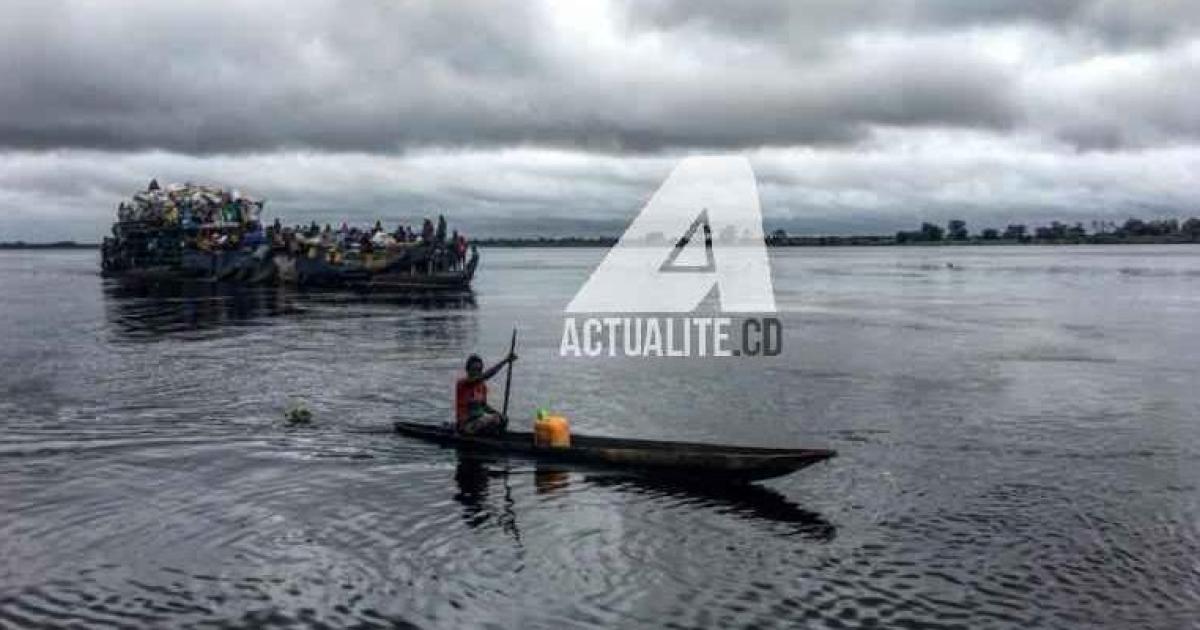
Tshopo Assembly Appeals to Tshisekedi: Suspend Wooden Boat Ban
Summary
- The Provincial Assembly of Tshopo has formally requested President Tshisekedi to suspend a ban on wooden boats.
- The Assembly warns that the ban on these baleinières could lead to an "announced paralysis" of the province.
- The appeal, reported on November 6, 2026, highlights the critical role of river navigation in Tshopo.
- The direct appeal to the Head of State underscores the perceived urgency and widespread impact of the interdiction.
Tshopo Provincial Assembly Seeks Presidential Intervention
This direct communication from the provincial legislative body to the nation's highest office underscores the critical nature of the issue, as the Assembly aims to prevent what it has characterized as an "announced paralysis" within the Tshopo province.
The Provincial Assembly of Tshopo has formally appealed to the Head of State, President Tshisekedi, requesting the suspension of a ban on wooden boats, commonly known as baleinières. This direct communication from the provincial legislative body to the nation's highest office underscores the critical nature of the issue, as the Assembly aims to prevent what it has characterized as an "announced paralysis" within the Tshopo province. The appeal, reported on November 6, 2026, highlights the profound reliance of the region on these vessels for essential river navigation.
The decision by the Assemblée provinciale Tshopo to address President Tshisekedi directly signifies the perceived urgency and the widespread impact of the interdiction baleinières bois RDC. Such a high-level intervention suggests that the provincial authorities view the ban as an immediate threat to the operational continuity and economic stability of the area. Their plea for a suspension, rather than a permanent repeal, might indicate a desire for a temporary measure to mitigate immediate disruptions while broader solutions or policy reviews are considered.
The Critical Role of River Navigation in Tshopo
The ban in question specifically targets wooden boats, which are integral to the system of navigation fluviale Tshopo. In many parts of the Democratic Republic of Congo, including Tshopo province, rivers serve as vital arteries for transportation, connecting remote communities and facilitating trade. Wooden baleinières are often the most accessible and affordable means of moving people and goods across these waterways, making any restriction on their use highly impactful.
The Provincial Assembly's strong language, describing an "announced paralysis," emphasizes the indispensable role these vessels play in the province's infrastructure. Without these boats, the movement of agricultural products, essential supplies, and even personnel could be severely hampered, leading to significant economic and social disruptions. The potential impact interdiction navigation RDC extends beyond mere inconvenience, threatening to isolate populations and impede the flow of commerce that sustains local livelihoods.
Anticipated Consequences and Presidential Authority
The Tshopo Provincial Assembly's warning of an "announced paralysis" directly links the decree interdiction bateaux bois to severe operational and economic consequences for the entire province. This suggests that the ban is not merely a regulatory adjustment but a measure with far-reaching implications for daily life and commerce. The appeal to President Tshisekedi acknowledges his ultimate authority to intervene in such matters, highlighting the gravity of the situation from the provincial government's perspective.
The outcome of this appeal will be closely watched, as it will determine the immediate future of river transport in Tshopo and potentially set a precedent for how similar bans are handled across the RDC. A presidential decision to suspend the ban could provide crucial relief to the province, allowing for a re-evaluation of the policy's effects and the exploration of sustainable alternatives for river navigation. Conversely, upholding the ban would necessitate the province to confront the significant challenges posed by the loss of its primary transport method.
Practical Implications
Lawyers should advise clients involved in river transport in Tshopo province to closely monitor the status of the wooden boat ban. Its potential suspension or enforcement will directly impact operational compliance, licensing requirements, and potential liabilities for maritime operators in the region.
Source
How does this affect you?
Get an AI analysis of this article grounded in your jurisdictions, practice areas, and any policy documents you've uploaded to Wansom.
Wansom is AI and can make mistakes.