
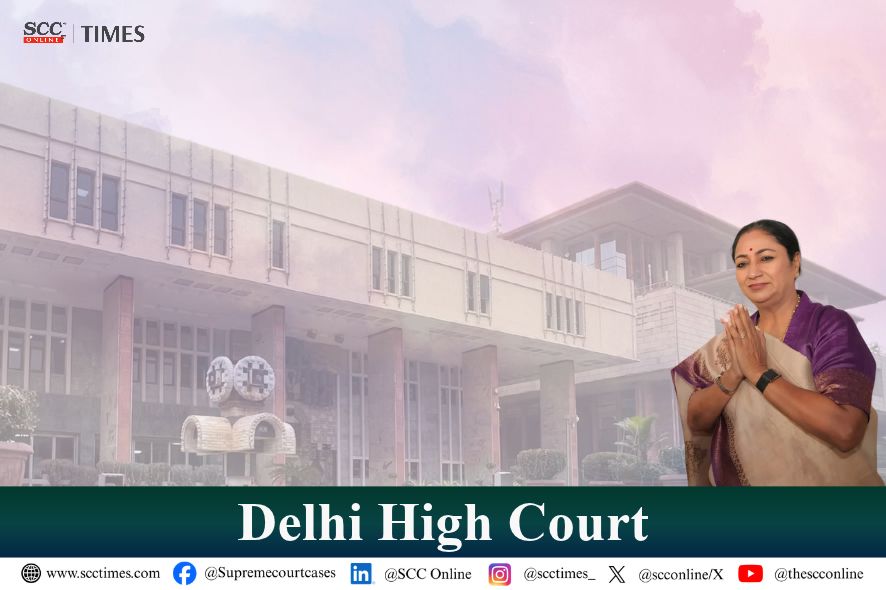
Delhi High Court: Rekha Gupta Deepfake Order Mandates Takedown
Summary
- The Delhi High Court ordered the takedown of defamatory AI-generated deepfakes targeting CM Rekha Gupta.
- The court ruled that while public figures must face criticism, freedom of speech cannot be used to reduce an individual to an object of ridicule.
- This decision clarifies the legal boundaries for AI-generated content and defamation in India.
- The ruling sets a precedent for judicial intervention against AI deepfakes that undermine individual dignity.
What Happened
This ruling clarifies that even for public office-holders, AI deepfakes that reduce an individual to an object of ridicule can be subject to takedown orders, providing a precedent for seeking judicial intervention against such content.
The Delhi High Court recently issued a significant directive concerning AI-generated content, specifically addressing defamatory deepfakes targeting CM Rekha Gupta. This Delhi HC Rekha Gupta deepfake order mandated the immediate takedown of these digitally manipulated materials. The court's intervention underscores the growing judicial scrutiny over the misuse of artificial intelligence to create harmful and misleading content, particularly when it targets public figures. This action by the Delhi High Court highlights a proactive stance against the proliferation of AI defamation, setting a clear expectation for accountability in the digital realm.
The ruling emerged from a context where advanced AI tools were utilized to generate content that the court ultimately deemed to cross the line into defamation. The specific nature of the deepfakes involving CM Rekha Gupta was such that they warranted judicial action, leading to the order for their removal. This development marks a crucial moment in India's legal response to the challenges posed by synthetic media, demonstrating the judiciary's willingness to adapt existing legal principles to new technological realities.
Legal Context and Court's Rationale
In its deliberation, the Delhi High Court deepfake ruling articulated a nuanced perspective on the boundaries of free speech, especially concerning public office-holders. The court acknowledged that individuals in public life, such as CM Rekha Gupta, must be prepared to face a certain degree of political criticism and satirical humor as part of their role. This acceptance of robust public discourse is a cornerstone of democratic societies. However, the court firmly established that this freedom of expression is not absolute and cannot be exploited as a guise for malicious intent.
The core of the court's reasoning centered on the principle that such freedom cannot be employed to reduce an individual to "an object of ridicule and insult." This critical distinction clarifies that while satire is permissible, content that strips an individual of their dignity and subjects them to unwarranted humiliation, particularly through AI-generated deepfakes, is unacceptable. The court's emphasis on individual dignity, even for those in public office, provides a vital legal benchmark for assessing the permissibility of content, especially in the evolving landscape of AI-generated media. This interpretation is crucial for understanding the limits of political satire when it intersects with personal reputation.
Why It Matters
This Delhi HC Rekha Gupta deepfake order carries substantial implications for both public figures and the broader legal framework governing AI-generated content in India. The decision establishes a significant precedent for AI-generated deepfake takedown India, signaling that courts are prepared to intervene decisively when AI-driven content causes reputational harm. It reinforces the notion that technological sophistication does not grant immunity from legal accountability for defamation. The ruling offers a clear pathway for individuals, particularly those in the public eye, to seek redress against malicious AI-generated content.
The judgment is particularly relevant for lawyers advising clients, especially public figures or those involved in political commentary, on the evolving legal boundaries of AI-generated content and defamation. This ruling clarifies that even for public office-holders, AI deepfakes that reduce an individual to an object of ridicule can be subject to takedown orders, providing a precedent for seeking judicial intervention against such content. It underscores the judiciary's role in safeguarding individual dignity against the potential abuses of advanced technology, thereby shaping the future of digital ethics and legal recourse in the country. This landmark decision will undoubtedly influence how AI-generated content is regulated and challenged in the future, particularly concerning defamation public figures India.
Practical Implications
Lawyers should advise clients, especially public figures or those involved in political commentary, on the evolving legal boundaries of AI-generated content and defamation. This ruling clarifies that even for public office-holders, AI deepfakes that reduce an individual to an object of ridicule can be subject to takedown orders, providing a precedent for seeking judicial intervention against such content.
Source
Source: Original reporting via SCC Times
How does this affect you?
Get an AI analysis of this article grounded in your jurisdictions, practice areas, and any policy documents you've uploaded to Wansom.
Finish Reading the Full Story and the Expert Analysis.
Get the latest legal & regulatory intelligence in India
Wansom is AI and can make mistakes.