
Delhi HC PIL: DDA Land Allotment for Ginger Hotel Challenged
Summary
- A Public Interest Litigation has been filed in the Delhi High Court concerning DDA land in Chanakyapuri.
- The PIL alleges that land allotted for the Daman and Diu and Lakshadweep Bhawan is being used as a commercial Ginger Hotel.
- The petitioner claims the land was provided at a concessional rate for a public purpose, which has been violated.
- The Delhi High Court has directed the DDA to provide the original allotment deed within a fortnight.
- The case highlights concerns about the commercial use of government land intended for public welfare, particularly for tribal communities from Lakshadweep.
Allegations of Misuse in Chanakyapuri
This Public Interest Litigation in the Delhi High Court brings critical scrutiny to the allocation and subsequent use of government land, especially when provided at concessional rates.
A Public Interest Litigation (PIL) has been initiated in the Delhi High Court, alleging that a parcel of Delhi Development Authority (DDA) land in Chanakyapuri, originally designated for the Dadra and Nagar Haveli Daman and Diu and Lakshadweep Bhawan, is now operating as a commercial hotel under the Ginger Hotels brand. The petitioner contends that this development constitutes a significant deviation from the land's intended purpose, as it was initially allotted at a concessional rate specifically for public use.
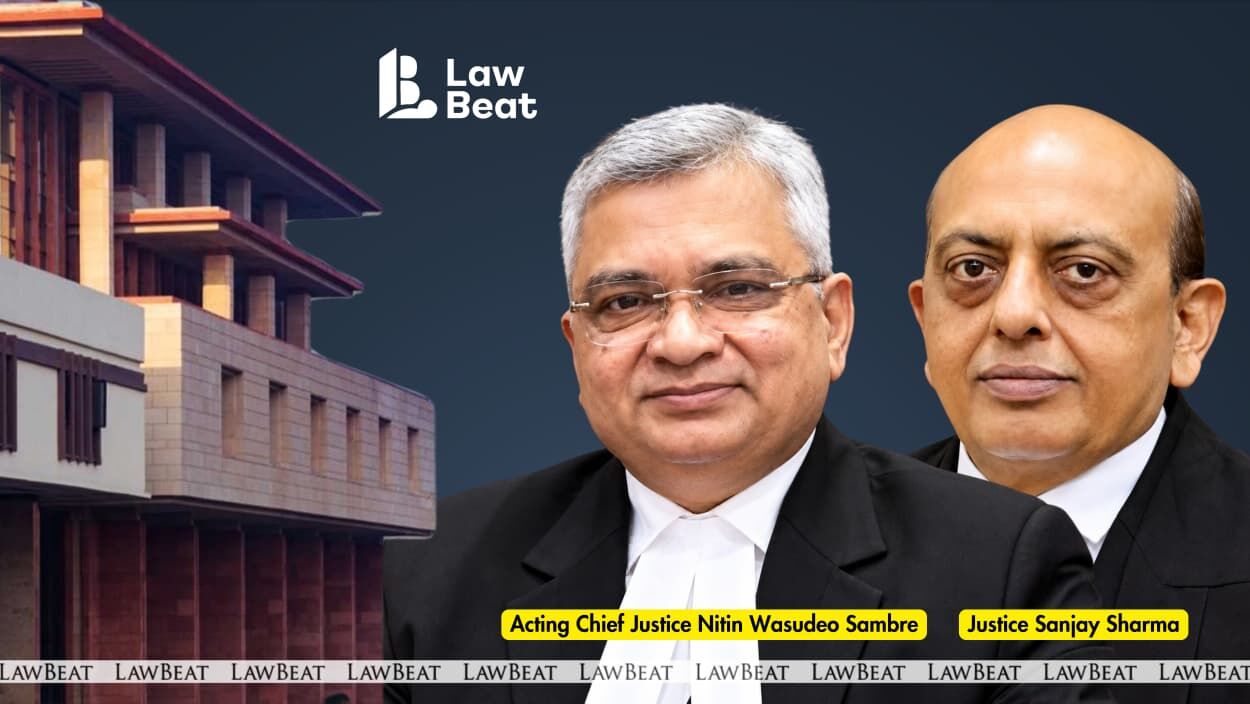
During the court proceedings, the petitioner's counsel was asked to secure the original allotment deed to substantiate the claim of commercial exploitation. The counsel committed to approaching the DDA within three days for a copy of this crucial document. In response, the DDA's counsel assured the division bench, comprising Acting Chief Justice Nitin Wasudeo Sambre and Justice Sanjay Sharma, that the deed would be provided within a fortnight of receiving the formal request.
Petitioner's Core Arguments
The central argument put forth by the petitioner is that land provided at a concessional rate for a public purpose cannot be utilized for private commercial gain, which would lead to unjust enrichment. The DDA had allocated this land to the Union Territory of Dadra and Nagar Haveli and Daman and Diu, and Lakshadweep, in Chanakyapuri, a location where a State Bhavan had previously been operational. This allotment was made in accordance with a Central Government policy designed to facilitate the construction of Bhavans for various States and Union Territories within Delhi.
However, the petitioner alleges that the property was subsequently developed by the respondent authorities through a private entrepreneur, resulting in the establishment of a hotel and cafeteria operating under the Ginger Hotels brand. The PIL highlights that such a commercial enterprise, reportedly charging dynamic room rates of no less than ₹7,000 daily, is fundamentally inconsistent with the public purpose for which the concessional land allotment was made. The petitioner asserts that the property should have been exclusively dedicated to public benefit, in line with the underlying intent of the original allotment.
Legal and Policy Context
The legal challenge in this Public Interest Litigation hinges on the alleged violation of the terms governing the DDA land allotment. The petitioner maintains that the commercial use of the property directly contravenes the objectives enshrined in the Directive Principles of State Policy, which guide the state in promoting public welfare and ensuring equitable resource distribution. The contention is that the property's utilization should have strictly adhered to the public good, consistent with the foundational purpose of the original allotment.
Furthermore, the PIL draws attention to the specific needs of Lakshadweep residents, many of whom belong to tribal communities and frequently travel to Delhi for essential services such as education and healthcare. A dedicated Bhavan is considered vital for providing accommodation to these visitors, who often face difficulties in securing lodging in the capital. The petitioner argues that State Bhavans are intended to cater precisely to such regional needs, making the alleged commercialization of the Daman Diu Lakshadweep Bhavan land a direct affront to its intended beneficiaries and a clear concessional land allotment violation.
Significance of the Dispute
This Public Interest Litigation in the Delhi High Court brings critical scrutiny to the allocation and subsequent use of government land, especially when provided at concessional rates. The case, involving the alleged conversion of DDA land intended for the Daman Diu Lakshadweep Bhavan into a commercial Ginger Hotel, raises significant questions about accountability in public land management and DDA land allotment commercial use. It underscores the potential for legal challenges, such as a PIL Chanakyapuri land dispute, when there are perceived deviations from the stated public purpose of land allotments.
The outcome of this case could establish important precedents for how rigorously the terms of concessional land allotments are enforced and monitored. It highlights the imperative of transparency and strict adherence to original conditions in the management of public resources, ensuring that they genuinely serve public interests rather than being diverted for private commercial ventures, particularly concerning Ginger Hotels Delhi land.
Practical Implications
Lawyers advising entities on government land allotments, particularly those at concessional rates, should review the terms of such allotments to ensure strict adherence to the stated public purpose. This case highlights the potential for public interest litigation and legal challenges if land is perceived to be used for commercial gain contrary to original conditions, leading to scrutiny of allotment deeds and potential legal exposure.
Source
How does this affect you?
Get an AI analysis of this article grounded in your jurisdictions, practice areas, and any policy documents you've uploaded to Wansom.
Finish Reading the Full Story and the Expert Analysis.
Get the latest legal & regulatory intelligence in India
Wansom is AI and can make mistakes.