
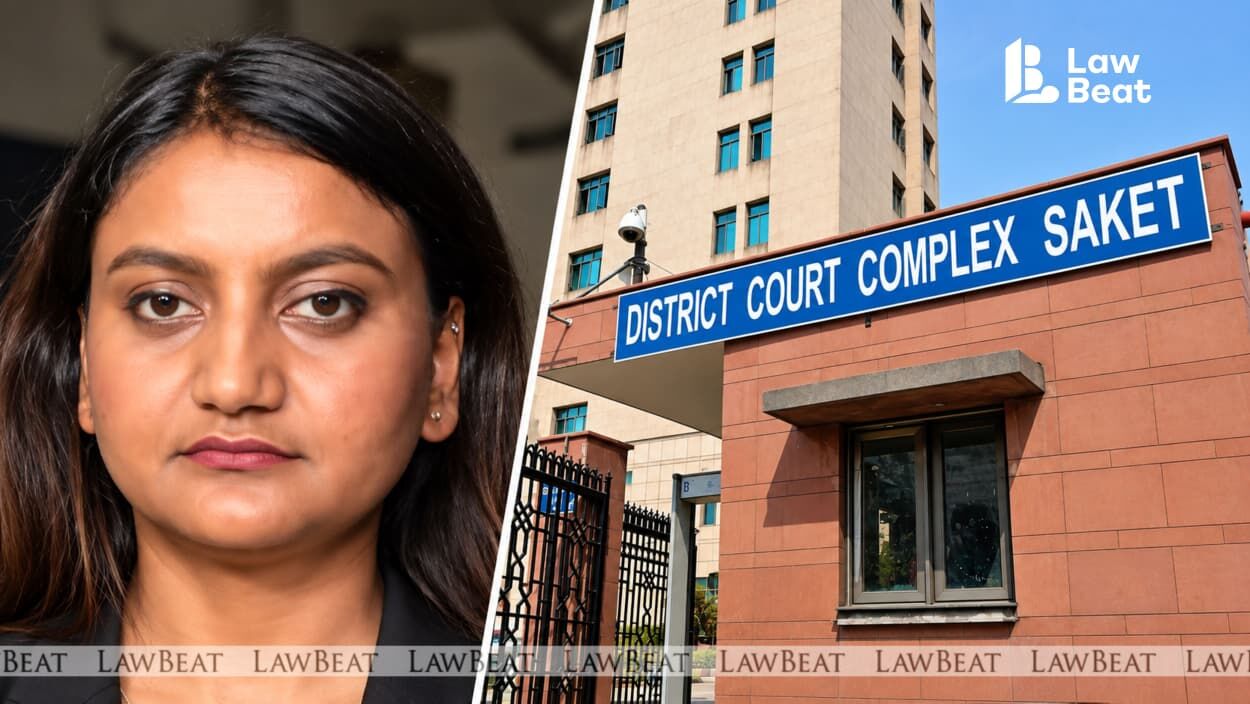
Delhi Court: Dismisses Ratna Singh FIR Plea Over Police Detention
Summary
- Delhi's Saket District Court dismissed Ratna Singh's plea for an FIR against police personnel for alleged wrongful confinement.
- Ratna Singh, CJP's legal head, claimed she was detained for approximately eight hours ahead of a planned protest on October 10.
- The protest at Jantar Mantar, targeting CEC Gyanesh Kumar, was denied permission and the area was under BNSS Section 163 prohibitory orders.
- Chief Judicial Magistrate Abhinav Pandey strictly limited arguments to the application's scope, disregarding attempts to introduce changed circumstances.
- Advocate Adit S Pujari represented Singh, detailing the alleged detention and issues with legal documentation due to her confinement.
What Happened
The Chief Judicial Magistrate Abhinav Pandey ruling underscores the judiciary's strict adherence to procedural limits and the specific scope of an application, presenting a significant hurdle for those alleging police misconduct during public order enforcement.
The Saket District Court in Delhi recently dismissed an application filed by Ratna Singh, the head of legal affairs for the Cockroach Janta Party (CJP), which sought the registration of a First Information Report (FIR) against Delhi Police personnel. Singh's plea alleged that she was wrongfully confined and prevented from participating in a planned CJP protest on October 10.
According to Singh's allegations, she was detained for approximately eight hours ahead of the proposed demonstration at Jantar Mantar. She claimed that while in a car outside her residence, two vehicles blocked her from the front and rear, with police personnel standing by the doors, effectively restricting her movement. Singh further asserted that the police did not provide any legal justification for this restriction. The CJP protest was intended to challenge Chief Election Commissioner (CEC) Gyanesh Kumar regarding the conduct of the Special Intensive Revision (SIR) of electoral rolls, but Delhi Police had already denied permission for the event.
During the court proceedings before Chief Judicial Magistrate Abhinav Pandey, Advocate Adit S Pujari represented Singh via video conferencing. Pujari presented arguments detailing Singh's alleged eight-hour detention and also raised concerns about the process of recording the vakalatnama, explaining that Singh's confinement in a car made her only available through video link at the time of the application's filing.
Legal Context
The area around Jantar Mantar, where the CJP protest was slated to occur, was subject to prohibitory restrictions under Section 163 of the Bharatiya Nagarik Suraksha Sanhita (BNSS). This specific legal provision grants executive magistrates the authority to issue urgent orders aimed at preventing potential threats to public order and prohibiting unlawful assemblies. The existence of such orders provides a significant backdrop to the police actions that led to Singh's allegations of wrongful confinement.
Singh's application sought a formal FIR, which is the initial step in a criminal investigation, against the police personnel involved. The legal framework for registering an FIR requires a prima facie case of a cognizable offense. In this instance, the court had to assess whether the facts presented in the application met the threshold for initiating a police investigation into the alleged wrongful confinement, especially considering the prevailing public order restrictions and the denial of protest permission by the Delhi Police.
Court's Stance and Dismissal
Chief Judicial Magistrate Abhinav Pandey maintained a strict focus on the scope of the application throughout the hearing. He repeatedly instructed the lawyers representing Singh and other protesters to refrain from making additional submissions once their initial arguments had been advanced. The Magistrate emphasized that the court's role was limited to adjudicating the specific application before it, and counsel could not continue to argue beyond the points already submitted.
In a notable exchange, the Magistrate remarked, "You have no business telling what order should be passed and what order should not been passed," clarifying that merely being present in court did not entitle counsel to continuously make submissions. When lawyers attempted to introduce arguments based on changed circumstances, the Magistrate firmly reiterated his position, stating, "I am not concerned about the situation which has changed. I am concerned about the arguments which have been made in the application before me. It is my limited job to decide that application. That's it." This strict adherence to the application's original scope ultimately led to the Delhi Court's dismissal of Ratna Singh's FIR plea regarding police detention.
Why It Matters
This ruling by the Saket District Court carries significant implications for activists and organizations planning public demonstrations, particularly when prohibitory orders are in effect. The dismissal of Ratna Singh's plea for an FIR against Delhi Police personnel for alleged wrongful confinement highlights the substantial legal hurdles in securing such actions against law enforcement during public order enforcement.
The Chief Judicial Magistrate Abhinav Pandey ruling underscores the judiciary's strict adherence to procedural limits and the specific scope of an application, presenting a significant hurdle for those alleging police misconduct during public order enforcement. It reinforces that courts will primarily consider the arguments presented within the confines of the initial application, rather than allowing for the introduction of evolving circumstances or broader contextual arguments during a hearing. This FIR against Delhi Police dismissal serves as a critical reference point for understanding the challenges in pursuing legal recourse against police actions under BNSS Section 163 protest detention.
Practical Implications
Lawyers advising activists or organizations planning protests must note the high bar for securing an FIR against police for alleged wrongful confinement during public order enforcement, especially when prohibitory orders under BNSS Section 163 are in effect. This ruling underscores the court's strict adherence to the scope of an application and the challenges in proving such allegations against law enforcement.
Source
How does this affect you?
Get an AI analysis of this article grounded in your jurisdictions, practice areas, and any policy documents you've uploaded to Wansom.
Finish Reading the Full Story and the Expert Analysis.
Get the latest legal & regulatory intelligence in India
Wansom is AI and can make mistakes.