
Central Equatoria: Schools Must Charge Fees in South Sudanese Pounds
Summary
- Central Equatoria State has ordered all schools to charge fees in South Sudanese pounds, banning foreign currencies.
- Urban private schools must acquire land measuring 400 by 400 meters by 2027 to continue operating.
- The directives also mandate strict adherence to school hours, teacher workload, and the establishment of PTAs.
- Non-compliant schools face the withdrawal of their operating licenses or closure.
- These measures address concerns about exorbitant fees, poor management, and inadequate learning environments.
New Directives for Central Equatoria Schools
Any school found violating the directive to charge fees in South Sudanese pounds risks the South Sudan school operating license withdrawal or even outright closure.
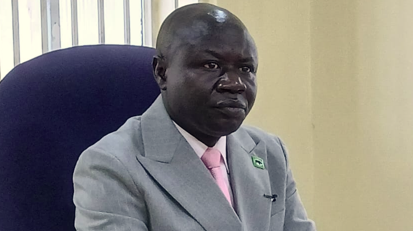
The Central Equatoria State Ministry of General Education and Instruction has issued a comprehensive set of directives impacting all educational institutions within the state. A primary mandate from the Ministry requires all Central Equatoria schools to charge tuition and associated costs exclusively in South Sudanese pounds, effectively implementing a CES education foreign currency ban. This directive, announced by caretaker Education Minister Lupai Satimon Andrew, specifically prohibits the use of foreign currencies, including the United States Dollar, for fee collection.
Beyond the financial regulations, the Ministry has also established new infrastructure requirements. Urban private schools must ensure their land measures a minimum of 400 by 400 meters. Institutions failing to meet these Central Equatoria school land requirements 2027 will not be permitted to operate within the state from the academic year 2027 onwards. This measure aims to standardize physical learning environments across the region.
Further operational changes include strict adherence to official school hours, mandating classes from 8:00 a.m. to 4:00 p.m., with no student admissions or movement permitted after the 8:00 a.m. start time. The Lupai Satimon Andrew school directive also addresses concerns about insufficient lesson coverage and teacher workload, instructing head teachers, teachers, inspectors, and supervisors to ensure an eight-period daily workload for educators, verifiable through schemes of work and lesson plans. The school calendar must also be rigorously followed. Finally, all schools are now required to establish Parent-Teacher Associations (PTAs) and school management committees to foster improved governance, transparency, and accountability.
Rationale and Regulatory Framework
These significant changes stem from recent inspections that unveiled several critical issues within the state's education sector. Minister Andrew highlighted concerns over "exorbitant school fees" being charged in foreign currencies, which was a key driver behind the CES education foreign currency ban. The inspections also revealed widespread problems with poor school management, inadequate learning environments, and insufficient daily lesson coverage, indicating a decline in educational standards.
The new land requirement for urban schools is directly linked to the broader MoGEI General Education Policy standards. This policy outlines minimum operational standards for private school facilities, emphasizing the need for a clean and conducive learning environment capable of accommodating all school activities. By enforcing the 400x400 meter plot size, the Ministry aims to ensure that schools possess adequate space to meet these foundational educational requirements, thereby enhancing the quality of instruction and student well-being.
The directive to charge fees in South Sudanese pounds is a direct response to the identified issue of excessive charges in foreign currency, which has likely created financial burdens for families and inconsistencies in fee structures. This move is intended to stabilize fee payments and make education more accessible and predictable for local populations.
Enforcement and Future Implications
The Ministry has made it clear that non-compliance with these new regulations will carry severe penalties. Any school found violating the directive to charge fees in South Sudanese pounds risks the South Sudan school operating license withdrawal or even outright closure. Similarly, institutions that cannot conform to the stipulated Central Equatoria school land requirements 2027 will be prohibited from operating in the state from the specified year.
Minister Andrew underscored the seriousness of these measures, stating that failure to adhere to the orders would be "tantamount to withdrawal of operational license, including possible suspension/closure." This firm stance applies not only to the financial and land requirements but also to the operational standards regarding working hours, teacher workload, and the establishment of PTAs and school management committees. The Ministry's objective is to enforce a higher standard of education and governance across all schools in Central Equatoria State, ensuring that all institutions align with the established MoGEI General Education Policy standards by the academic year 2027.
Practical Implications
Lawyers advising educational institutions in Central Equatoria State must immediately review client fee structures to ensure compliance with the directive to charge in South Sudanese pounds, not foreign currency, and assess physical premises against the new 400x400 meter land requirement by 2027 to avoid license withdrawal or closure.
Source
How does this affect you?
Get an AI analysis of this article grounded in your jurisdictions, practice areas, and any policy documents you've uploaded to Wansom.
Finish Reading the Full Story and the Expert Analysis.
Wansom is AI and can make mistakes.