
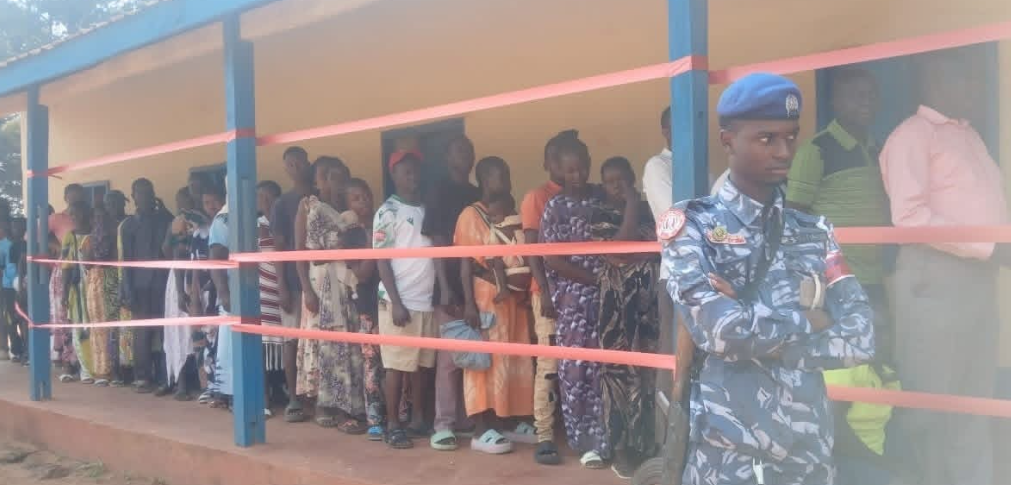
South Sudan NEC: Outlines 2026 Voter Registration Requirements
Summary
- South Sudan commenced voter registration on November 14, 2026, for general elections scheduled for February 11, 2027.
- Eligibility requires South Sudanese citizenship, being at least 18 years old, and meeting specific residency or origin criteria.
- Acceptable identification includes personal documents or authenticated certificates from local or traditional authorities.
- A 2026 amendment allows South Sudanese citizens abroad with passports to register for presidential elections and referendums.
- Prisoners are also granted the right to participate in elections or referendums from their place of incarceration.
Commencement of Voter Registration
The entire process, including the specific South Sudan voter registration requirements 2026, is meticulously governed by the provisions of the National Elections Act 2012, as subsequently amended.
South Sudan has initiated its voter registration drive, a critical step towards the general elections slated for February 11, 2027. The National Elections Commission (NEC) commenced the exercise on Saturday, November 14, 2026, with a two-week window for citizens to register, concluding on Saturday, November 28. This nationwide effort is being facilitated through an extensive network of 3,161 registration centres, strategically distributed across the country's ten states and three administrative areas. The entire process, including the specific South Sudan voter registration requirements 2026, is meticulously governed by the provisions of the National Elections Act 2012, as subsequently amended.
Eligibility and Residency Criteria
To be eligible for voter registration in South Sudan, individuals must satisfy specific criteria outlined in the National Elections Act. Section 34 of the Act mandates that any prospective voter must be a citizen of South Sudan and have attained adulthood. The legislation precisely defines an adult as a person who has reached the age of 18 years, specifying that this age must be met by the date of registration itself. These fundamental South Sudan election eligibility criteria ensure that only qualified individuals participate in the democratic process.
Beyond citizenship and age, Section 35 of the Act introduces crucial residency or origin requirements. A person intending to register must either have resided in the specific geographical constituency for a minimum of three months prior to the closure of the electoral register, or they may register in a constituency from which they originate, irrespective of their current period of residence there. A strict prohibition exists against registering in more than one geographical constituency, a measure designed to uphold the integrity of the electoral roll and confirm a voter’s genuine connection to their chosen polling area.
Identification and Special Provisions
Fulfilling the South Sudan voter registration requirements 2026 also necessitates the presentation of appropriate identification. Applicants are required to provide a personal identification document or a certificate officially authenticated by a county authority or a recognized native or traditional administrative authority. The National Elections Commission has additionally encouraged citizens to utilize national identity cards and passports to verify their identity and age. Further guidance from the NEC references birth certificates and other forms of identification as stipulated under applicable regulations. For individuals lacking formal identification, registration officials are available to provide guidance on the accepted certification processes, including the vital role played by traditional authorities in this verification.
The legal framework also extends voting rights to specific populations, including South Sudanese citizens residing outside the country. The National Elections Act provides for the registration of these citizens, subject to certain conditions. A significant 2026 amendment to Section 35(3) specifically permits a South Sudanese national living abroad, who holds a valid South Sudanese passport, to apply for registration and inclusion in the electoral register for presidential elections or referendums, in accordance with the Act and its regulations. While this provision establishes the right to South Sudan diaspora voter registration, the specific operational procedures and arrangements for how and when this will be conducted are yet to be communicated by the National Elections Commission. Furthermore, a 2026 amendment ensures that prisoners within the states and administrative areas are granted the right to participate in elections or referendums. This right to South Sudan prisoner voting rights is exercised within the area of their incarceration, aligning with the broader provisions of the Act.
Electoral Roll Management
The National Elections Act also provides mechanisms for registered voters to manage their electoral information, including the ability to transfer their registration. Section 35 permits a registered voter who wishes to change their electoral area to formally notify the National Elections Commission. This notification must be submitted in the prescribed manner at least 90 days before an election. Upon receiving such a request, the commission is obligated to transfer the voter's registration particulars to their preferred constituency no later than 60 days before the scheduled polling day. This provision ensures flexibility while maintaining an organized and accurate electoral roll.
Crucially, the legal framework strictly prohibits any individual from being registered in more than one geographical constituency. This measure is fundamental to preventing electoral fraud and ensuring that each eligible citizen exercises their right to vote only once, in the appropriate location. The rigorous South Sudan voter registration requirements 2026, including these provisions for managing and updating voter information, are designed to underpin the integrity of the upcoming general elections.
Practical Implications
This article details the specific legal framework and procedural requirements for voter registration in South Sudan under the National Elections Act 2012 (as amended). Lawyers and compliance officers should review these details to advise clients on eligibility, required documentation, and the process for registration, including provisions for diaspora and prisoners, to ensure compliance and facilitate participation in the upcoming 2027 general elections.
Source
How does this affect you?
Get an AI analysis of this article grounded in your jurisdictions, practice areas, and any policy documents you've uploaded to Wansom.
Finish Reading the Full Story and the Expert Analysis.
Get the latest legal & regulatory intelligence in South Sudan
Wansom is AI and can make mistakes.