
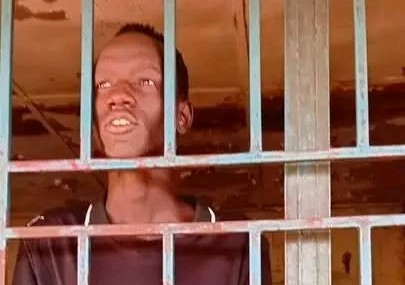
Juba: 17-Year-Old Arrested for Unity Governor Criticism
Summary
- A 17-year-old student, Buay Gatmai Wal, was arrested in Juba for allegedly criticizing Unity State Governor Joseph Monytuil and supporting a former governor.
- Wal was detained at Jamus Police Station in Munuki, and his family has been denied access to him since his arrest.
- Unity State Coordinator Kuichiang Kuol Gaw Diet indicated Wal would not be released until his case goes to court, while Major General Daniel Justin Bula, former South Sudan National Police Spokesperson and current Director of Community Policing, had no report of the arrest.
- The South Sudan Child Act 2008 outlines specific protections for arrested minors, including social worker assessment and access to family and legal representation.
- South Sudan's Constitution guarantees freedom of expression, but its protection in practice remains a concern.
Arrest and Detention
Despite these clear legal frameworks, the consistent protection of these constitutional and statutory rights remains a significant concern within the country.
A 17-year-old student from Unity State, Buay Gatmai Wal, was apprehended by security personnel at his residence in Juba. The arrest, which occurred on a Friday evening, stems from allegations that he voiced criticism against the administration of Unity State Governor Joseph Nguen Monytuil and expressed backing for former governor Riek Bim. Wal, identified as the son of a former Koch County commissioner, was initially transported to Magateen Police Station before being moved to Jamus Police Station in Munuki.
Family members reported on Sunday that a high-ranking security official confirmed the teenager's detention was directly related to his alleged disapproval of Governor Monytuil's leadership and his perceived support for the former governor. This incident has raised concerns among his relatives, who emphasize that Buay Gatmai Wal is a civilian with no military background or political affiliations, merely expressing his views.
Family's Appeal and Official Response
Since his arrest, Buay Gatmai Wal's family has been denied any access to him, preventing communication or visits. They have publicly appealed for his release, highlighting that his continued detention without charge is disrupting his education, particularly as national examinations are scheduled to commence this week. The family asserts that freedom of expression should not be criminalized.
Unity State Coordinator Kuichiang Kuol Gaw Diet reportedly informed the family that Buay would remain in custody until his case is formally presented in court. Meanwhile, Major General Daniel Justin Bula, former South Sudan National Police Spokesperson and current Director of Community Policing, stated he had not received any report concerning Buay's arrest but pledged to investigate the matter. He also advised the family on the appropriate channels for seeking assistance. Attempts by Radio Tamazuj to reach the Unity State information minister for comment were unsuccessful.
Legal Protections and Concerns
The circumstances surrounding Buay Gatmai Wal's detention bring into focus several legal provisions designed to protect minors in South Sudan. The South Sudan Child Act 2008 explicitly defines anyone under the age of 18 as a child. This legislation stipulates that police should only arrest a child when there is reasonable suspicion of a serious crime and no other alternatives to arrest exist.
Furthermore, the Child Act 2008 mandates that an arrested child must be presented before a social worker for assessment within 24 hours of their apprehension. It also guarantees crucial rights for children in custody, including access to family visits and legal representation. Beyond these specific protections for minors, the South Sudan Constitution, under Article 24(1), upholds the fundamental right to freedom of expression, encompassing the ability to articulate views and disseminate information. Despite these clear legal frameworks, the consistent protection of these constitutional and statutory rights remains a significant concern within the country.
Practical Implications
This case highlights the critical importance for legal practitioners in South Sudan to monitor adherence to the Child Act 2008 regarding juvenile arrests and detention procedures, as well as constitutional guarantees of freedom of expression. Lawyers should be prepared to challenge detentions that violate these rights, particularly concerning access to legal representation and family visits for minors.
Source
How does this affect you?
Get an AI analysis of this article grounded in your jurisdictions, practice areas, and any policy documents you've uploaded to Wansom.
Finish Reading the Full Story and the Expert Analysis.
Get the latest legal & regulatory intelligence in South Sudan
Wansom is AI and can make mistakes.