
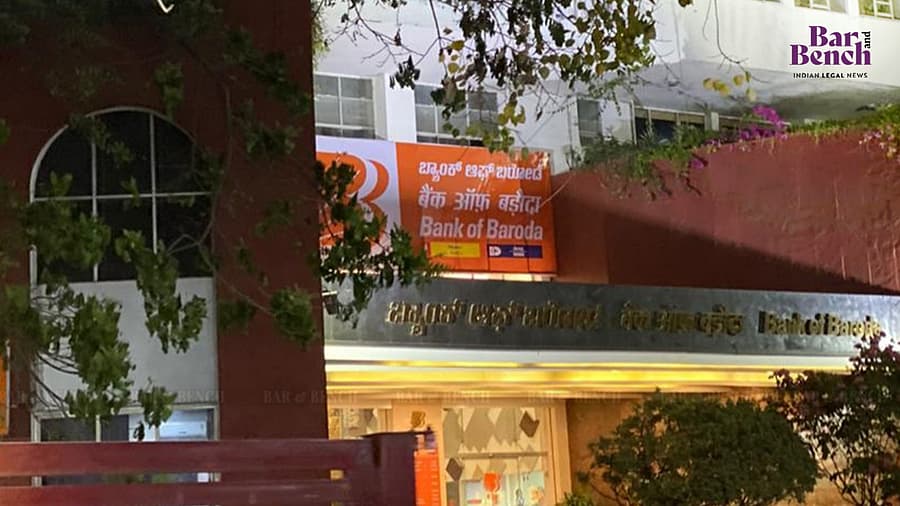
Bombay High Court: Bank of Baroda Preserves BR Shetty Records in $15B Suit
Summary
- The Bank of Baroda assured the Bombay High Court it would preserve all documents related to a $15 billion fraud suit.
- NMC Health founder Dr. BR Shetty filed the suit, alleging fraud, collusion, and negligence by the bank and former executives.
- Shetty claims the bank closed anti-money laundering alerts without inquiry and facilitated round-tripping after March 2017.
- His interim applications seek forensic imaging, discovery on oath, suspension of deletion policies, and $15 billion in security.
- Justice Arif S Doctor recorded the bank's undertaking on November 19, ensuring the preservation of specified records.
Court Mandates Record Preservation
Lawyers should note that courts are willing to secure undertakings for record preservation early in proceedings, which can be a vital step in discovery.
The Bombay High Court recently secured an assurance from the Bank of Baroda regarding the preservation of critical documents relevant to a substantial $15 billion damages lawsuit. This commitment, made on a Thursday, involves all records sought by Dr. Bavaguthu Raghuram Shetty, the founder of NMC Health, who has initiated the legal action against the public sector lender.
Justice Arif S Doctor formally recorded the undertaking on November 19, following persistent requests from Dr. Shetty's legal representation for immediate protection of these records. Senior Advocate Birendra Saraf, appearing for the Bank of Baroda, confirmed to the court that all documents specified in the Schedule to the Interim Application, and currently under the bank's custody or control, would be maintained in their existing state. The court accepted this statement, solidifying the bank's obligation to preserve these materials.
This development underscores the critical importance of evidence preservation in high-stakes financial fraud litigation, particularly for institutions like banks. Lawyers should note that courts are willing to secure undertakings for record preservation early in proceedings, which can be a vital step in discovery.
Allegations of Fraud and Negligence
Dr. Shetty's comprehensive lawsuit, titled Dr BR Shetty v. Bank of Baroda & Ors., levies serious accusations against the bank, including fraud, collusion, negligence, and significant reputational damage. The suit also implicates former NMC executives Prasanth and Promoth Manghat in these alleged wrongdoings.
Central to Dr. Shetty's claims are allegations that the Bank of Baroda systematically closed anti-money-laundering alerts without conducting proper investigations. Furthermore, the suit asserts that the bank actively facilitated 'round-tripping' of funds, a practice allegedly occurring after Dr. Shetty's departure as CEO in March 2017. These specific accusations form the bedrock of the $15 billion claim for damages.
Extensive Demands for Disclosure
Through various interim applications, Dr. Shetty is seeking broad and detailed disclosure from the Bank of Baroda. His requests include the forensic imaging of the bank's electronic systems, which would provide a comprehensive snapshot of digital records. He is also demanding discovery under oath from the bank itself and from ten of its officers, aiming to elicit sworn testimony regarding the alleged activities.
Additionally, Dr. Shetty's applications call for the suspension of any internal document deletion policies that the bank might have in place, ensuring that no relevant information is destroyed. Beyond these investigative measures, the suit seeks $15 billion (approximately ₹1,43,700 crore) in either security or balance-sheet provisioning from the bank, reflecting the immense scale of the alleged financial harm. Senior Advocate Zal Andhyarujina, representing Dr. Shetty, specifically pressed for the ad-interim disclosure of documents listed in the interim application during the recent hearing.
Implications for Future Proceedings
The Bombay High Court's acceptance of the Bank of Baroda's undertaking to preserve records is a significant procedural step in this complex and high-value litigation. It ensures that crucial evidence will be available as the case progresses, potentially impacting the trajectory of the fraud allegations.
Compliance officers should review their internal record-keeping and anti-money laundering protocols, as these can become central to defense or prosecution in such cases. The next hearing for this matter is scheduled for December 17, when further arguments and potential orders related to the ongoing discovery process are anticipated.
Practical Implications
This development underscores the critical importance of evidence preservation in high-stakes financial fraud litigation, particularly for institutions like banks. Lawyers should note that courts are willing to secure undertakings for record preservation early in proceedings, which can be a vital step in discovery. Compliance officers should review their internal record-keeping and anti-money laundering protocols, as these can become central to defense or prosecution in such cases.
Source
How does this affect you?
Get an AI analysis of this article grounded in your jurisdictions, practice areas, and any policy documents you've uploaded to Wansom.
Finish Reading the Full Story and the Expert Analysis.
Get the latest legal & regulatory intelligence in India
Wansom is AI and can make mistakes.