
Supreme Court: Mandates Pan-India Bonded Labour Rehabilitation
Summary
- The Supreme Court has issued pan-India directives for the rehabilitation of bonded labourers, emphasizing uniform procedures and timely assistance.
- The ruling, based on Indian Constitution Articles 21 23 and the Bonded Labour System (Abolition) Act, 1976, mandates that rehabilitation is a continuous state obligation.
- The Court highlighted that rescue alone is insufficient, as delayed financial aid can force survivors back into exploitation, as seen in Surendra Manjhi's case.
- The directives aim to address systemic failures in identification, rescue, and rehabilitation, ensuring effective coordination and compliance monitoring.
- This decision builds upon precedents like Bandhua Mukti Morcha Union of India, reinforcing that identification, release, and rehabilitation are interconnected duties.
A New Mandate for Bonded Labour Rehabilitation
Without prompt financial assistance and robust rehabilitation programs, individuals liberated from exploitation face the stark reality of economic necessity, which often compels them back into the very circumstances the law seeks to prevent.
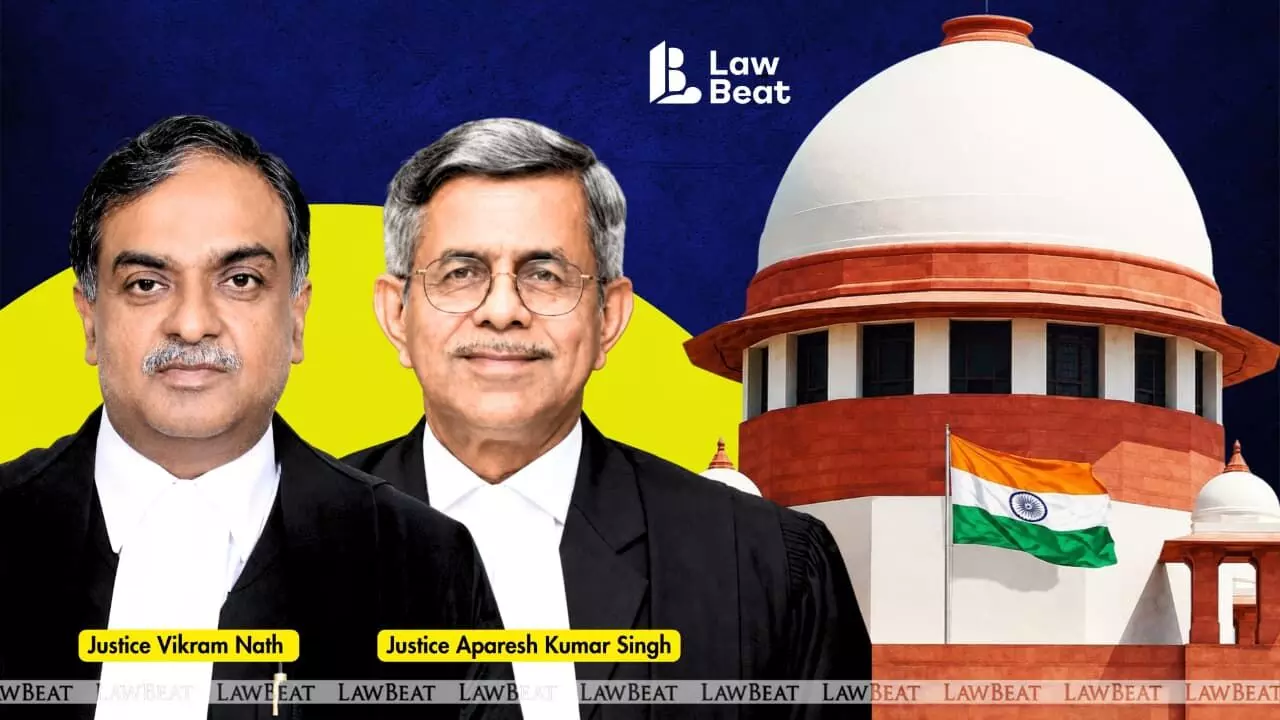
The Supreme Court of India has issued comprehensive, pan-India directives aimed at ensuring the effective rehabilitation of individuals freed from bonded labour. This significant ruling underscores the judiciary's commitment to upholding fundamental human rights, emphasizing that the constitutional prohibition against such exploitation must translate into tangible support for survivors. A bench comprising Justices Vikram Nath and Aparesh Kumar Singh articulated that the state's responsibility extends far beyond merely rescuing individuals; it encompasses providing timely financial aid and fostering meaningful rehabilitation to prevent their return to exploitative conditions.
This landmark decision mandates the implementation of uniform procedures across the nation for the identification, release, and subsequent rehabilitation of bonded labourers. The Court stressed that these three stages are intrinsically linked and represent a continuous constitutional obligation of the state. By invoking Articles 21 and 23 of the Indian Constitution, alongside the provisions of the Bonded Labour System (Abolition) Act, 1976, the Supreme Court has reinforced the legal framework designed to eradicate this pervasive issue. The ruling aims to establish clear bonded labour rehabilitation guidelines India that ensure consistency and effectiveness in addressing this critical social challenge.
Beyond Rescue: The Imperative of Sustained Support
The Supreme Court unequivocally stated that freedom from bondage cannot be secured solely through the act of rescue. Without prompt financial assistance and robust rehabilitation programs, individuals liberated from exploitation face the stark reality of economic necessity, which often compels them back into the very circumstances the law seeks to prevent. This judicial perspective highlights a crucial gap in previous approaches, where the focus on immediate liberation often overshadowed the long-term needs of survivors.
The Court's observations were partly informed by the distressing case of Surendra Manjhi, a survivor of bonded labour whose writ petition brought these systemic failures to light. Manjhi, rescued from a brick kiln in Uttar Pradesh's Shahjahanpur district on February 28, 2019, did not receive his immediate financial assistance until 2022. Furthermore, it was revealed during the proceedings that 17 other labourers rescued alongside him had still not received any financial aid, starkly illustrating the delays and inefficiencies that plague the existing system. Such protracted delays render financial assistance, intended for immediate needs, largely ineffective, leaving vulnerable individuals without a stable foundation for recovery.
Upholding Constitutional Guarantees
The Court's directives are firmly rooted in the constitutional guarantees of human dignity, asserting that the prohibition of bonded labour stands as one of the most fundamental assurances enshrined in the Indian Constitution Articles 21 23. These articles protect the right to life and personal liberty, and prohibit forced labour, respectively. The Supreme Court underscored that the duty to eradicate bonded labour is a continuous obligation, not one that concludes with a single act of release.
Referencing pivotal past judgments, including Bandhua Mukti Morcha Union of India (1984) and Neeraja Chaudhary v. State of Madhya Pradesh (1984), the Bench reiterated that identification, release, and rehabilitation form an inseparable triad of state responsibilities. These precedents have consistently affirmed that mere liberation, devoid of adequate rehabilitation provisions, falls short of securing the constitutional rights guaranteed to individuals. The effectiveness of statutory protections, the Court emphasized, hinges not merely on their existence but on their implementation in a manner that ensures timely relief, meaningful rehabilitation, and robust protection against a return to exploitative conditions.
Addressing Systemic Failures
The impetus for these comprehensive directives also stemmed from a separate petition filed by the National Campaign Committee for the Eradication of Bonded Labour, among others. This petition raised broader concerns regarding the persistent prevalence of bonded labour across India and the ineffectiveness of the existing statutory framework designed to eliminate it. The petitioners specifically called for uniform and enforceable procedures for identification, rescue, and rehabilitation, alongside improved coordination between various States and Union Territories.
Moreover, the petition sought the establishment of robust mechanisms to monitor compliance with statutory obligations, highlighting the need for accountability in addressing this deeply entrenched issue. The Supreme Court's ruling directly addresses these systemic shortcomings, aiming to create a more cohesive and effective national strategy for Supreme Court pan-India bonded labour rehabilitation. By mandating clear guidelines and emphasizing the interconnectedness of rescue and rehabilitation, the Court seeks to ensure that no individual freed from bondage is left vulnerable to re-exploitation due to administrative delays or lack of support.
Practical Implications
Lawyers and compliance officers must advise clients, particularly those in sectors susceptible to labour exploitation or government agencies, on the Supreme Court's new pan-India directives for bonded labour. This mandates strict adherence to uniform procedures for identification, rescue, and crucially, timely financial assistance and meaningful rehabilitation, thereby increasing the legal and compliance burden for ensuring prompt and effective action.
Source
Source: Original reporting via Live Law
How does this affect you?
Get an AI analysis of this article grounded in your jurisdictions, practice areas, and any policy documents you've uploaded to Wansom.
Finish Reading the Full Story and the Expert Analysis.
Get the latest legal & regulatory intelligence in India
Wansom is AI and can make mistakes.