
الصليب الأحمر: يعرض وساطة الإفراج عن محتجزي النزاع في السودان
Summary
- The International Committee of the Red Cross (ICRC) has declared its readiness to mediate the release and safe transfer of conflict-related detainees in Sudan.
- This mediation is contingent upon the warring parties reaching an agreement and formally requesting the ICRC's humanitarian support.
- The ICRC's role is strictly as a neutral facilitator and does not involve leading or participating in direct negotiations between the belligerents.
- Since April 2023, the issue of detainees has been a complex humanitarian challenge due to multiple detention sites, lack of access, and incomplete lists.
- The ICRC maintains confidential contact with relevant parties, including the UN, but refrains from commenting on ongoing discussions due to their sensitive nature.
Offer of Neutral Mediation
The explicit offer by the International Committee of the Red Cross to mediate the release of conflict-related detainees in Sudan carries significant legal and humanitarian weight, particularly for legal practitioners advising affected families.
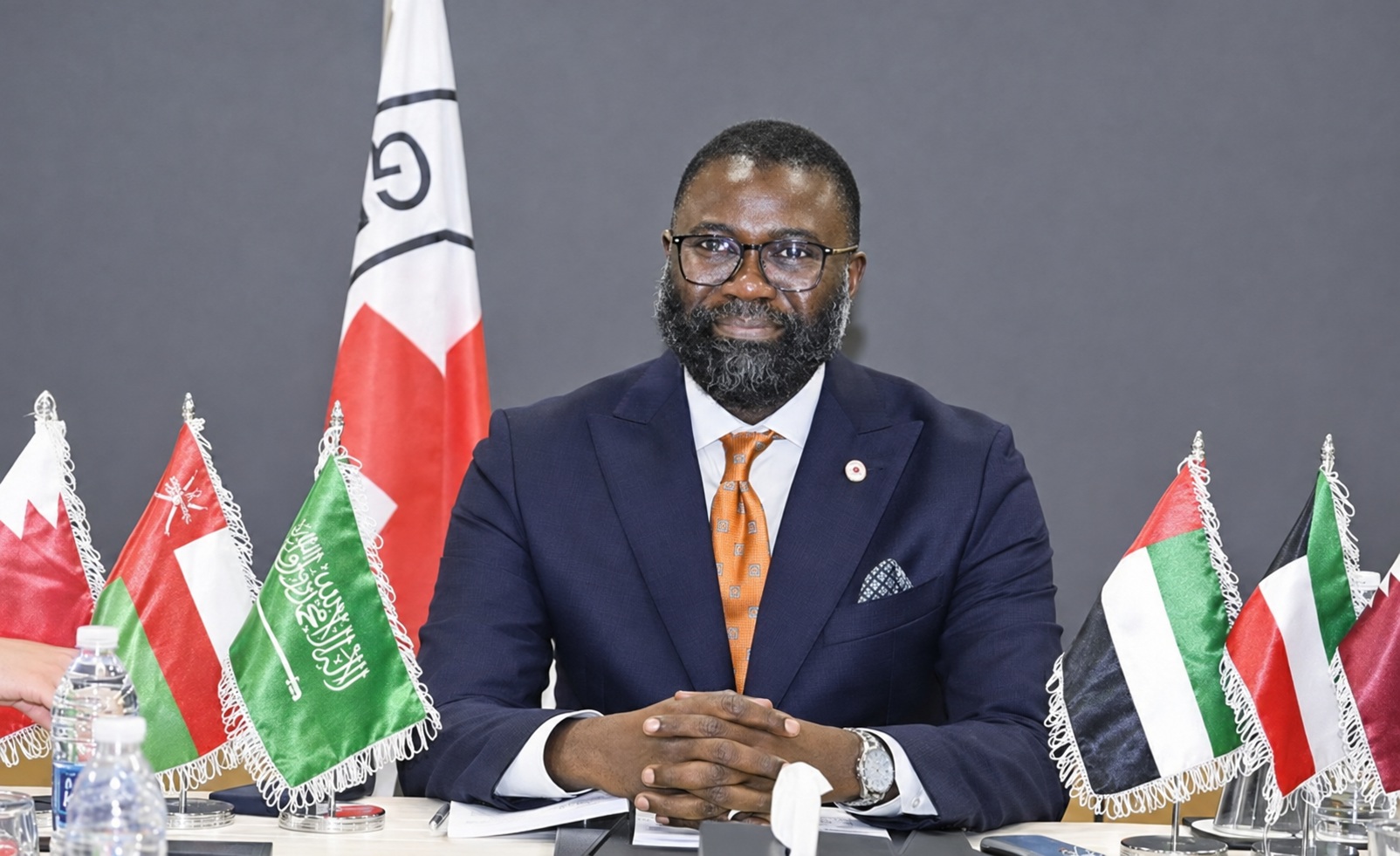
The International Committee of the Red Cross (اللجنة الدولية للصليب الأحمر السودان) has publicly declared its readiness to serve as a neutral intermediary in facilitating the release and secure, dignified transfer of individuals detained in connection with the ongoing conflict in Sudan. This offer, articulated by Mamadou Sow, the ICRC's Regional Director for Africa, on November 29, 2026, underscores the organization's commitment to humanitarian principles amidst the protracted hostilities. The ICRC's involvement is strictly contingent upon the warring factions reaching a mutual agreement on such releases and subsequently requesting the committee's support.
Sow clarified that while the ICRC stands prepared to assist in the logistical and humanitarian aspects of detainee transfers, its mandate does not extend to leading or participating in the direct negotiations between the parties engaged in hostilities. The organization's role is specifically defined as a facilitator once an agreement has been established, ensuring that the process of release and transfer adheres to international humanitarian standards. This clear delineation of responsibilities aims to maintain the ICRC's impartiality and effectiveness in its humanitarian mission.
The Plight of Conflict Detainees
Since the outbreak of war in Sudan in April 2023, the issue of prisoners and detainees has emerged as one of the most intricate humanitarian challenges. The complexity stems from several critical factors, including the proliferation of detention sites across the conflict zones, making it exceedingly difficult for external bodies to gain access to those held captive. This lack of access exacerbates concerns regarding the welfare and conditions of detainees.
Further complicating the situation is the absence of comprehensive and verified lists of individuals held by either side, leaving families in agonizing uncertainty about the health and ultimate fate of their loved ones. These profound concerns from families highlight the urgent need for a mechanism like the one proposed by the الصليب الأحمر وساطة محتجزي السودان to bring clarity and resolution to this deeply sensitive aspect of the conflict. The humanitarian imperative to address these issues is paramount, given the severe emotional and psychological toll on affected families.
Confidential Dialogue and Potential Avenues
The ICRC is fully cognizant of public discussions surrounding the potential release of individuals held due to the conflict. Mamadou Sow confirmed that the organization maintains continuous and close communication with all relevant stakeholders, including the United Nations, regarding these sensitive matters. However, consistent with its operational principles, the ICRC refrains from commenting on the specifics of ongoing discussions. This discretion is vital for preserving the confidentiality of its bilateral dialogue with all parties, a cornerstone of its ability to operate effectively in conflict environments.
Despite the confidential nature of these engagements, the ICRC reiterates its unwavering readiness to step in as a neutral intermediary to facilitate the safe and dignified release and transfer of detainees, should the warring parties reach an agreement and explicitly seek humanitarian support. This consistent offer underscores the potential for a structured and internationally recognized process for الإفراج عن محتجزي النزاع السوداني, offering a glimmer of hope for families and a clear pathway for humanitarian intervention.
Legal and Humanitarian Significance
The explicit offer by the International Committee of the Red Cross to mediate the release of conflict-related detainees in Sudan carries significant legal and humanitarian weight, particularly for legal practitioners advising affected families. This proactive stance by a globally recognized neutral actor provides a potential, albeit conditional, avenue for addressing the complex issue of arbitrary detention and ensuring adherence to the principles of international humanitarian law (قانون النزاعات المسلحة السودان). The ICRC's readiness to act as a neutral intermediary (وساطة إنسانية السودان) could unlock critical information and facilitate the safe return of individuals whose status remains unknown.
For legal professionals, monitoring any developments regarding agreements between the warring parties becomes crucial. Such agreements, if reached, could activate the ICRC's mediation, offering a concrete mechanism for securing the release of clients or at least obtaining vital information about their detention conditions and whereabouts. This potential for structured humanitarian intervention is especially important given the current difficulties in accessing detainees and documenting their cases, making the ICRC's offer a pivotal point for future advocacy and legal action on behalf of those impacted by the conflict.
Practical Implications
The International Committee of the Red Cross's explicit readiness to mediate the release of conflict-related detainees in Sudan, contingent on agreement from the warring parties, indicates a potential humanitarian avenue for lawyers advising families of detainees. Practitioners should monitor any developments regarding such agreements, as they could provide a mechanism for securing the release or obtaining information about their clients' status, especially given the current difficulties in access and documentation.
Source
How does this affect you?
Get an AI analysis of this article grounded in your jurisdictions, practice areas, and any policy documents you've uploaded to Wansom.
Finish Reading the Full Story and the Expert Analysis.
Get the latest legal & regulatory intelligence in Sudan
Wansom is AI and can make mistakes.