
Al-Burhan: Accuses Neighboring States of RSF Support, Warns They Will 'Pay the Price'
Summary
- Sudan's Sovereign Council Chairman, Abdel Fattah al-Burhan, accused neighboring countries of supporting RSF attacks and threatened them with consequences.
- Al-Burhan specifically named Libya, Ethiopia, Chad, and South Sudan as launching points for RSF operations.
- The Sudanese government has repeatedly alleged that countries linked to the UAE provide military and logistical aid to the RSF.
- Sudan previously filed complaints with the UN Security Council regarding alleged interventions by the UAE, Chad, and Ethiopia, which these nations denied.
- Al-Burhan warned that nations using financial resources to interfere in Sudan's affairs would face repercussions.
Al-Burhan's Direct Accusations
Al-Burhan explicitly warned that any entity or nation that has attacked the Sudanese populace or extended assistance to target them would ultimately "pay the price".
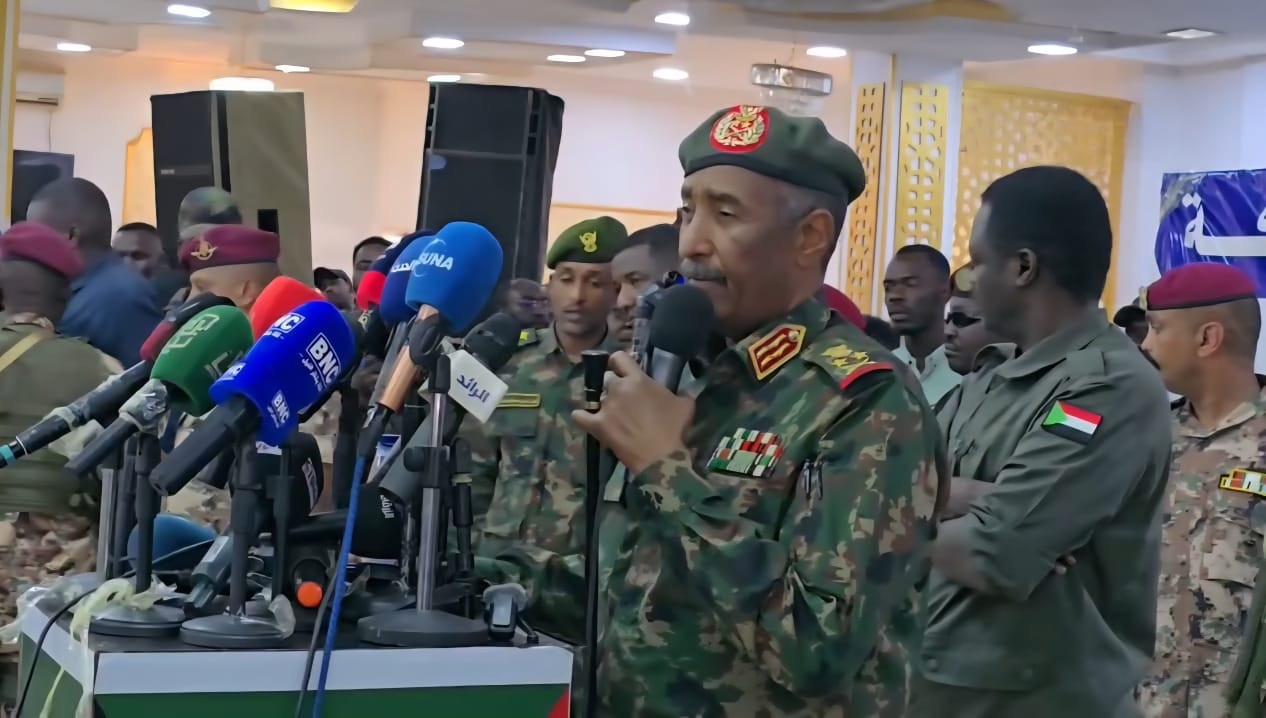
On November 28, 2026, Abdel Fattah al-Burhan, who serves as both the Chairman of Sudan's Sovereign Council and the Commander-in-Chief of the Army, publicly accused several neighboring countries of actively supporting the attacks launched by the Rapid Support Forces (RSF) against Sudan. During his address, Al-Burhan issued a stern warning, stating that these implicated entities would ultimately "pay the price" for their involvement.
These significant remarks were made during an event held in Omdurman, which honored wounded military personnel from the joint forces. The ceremony was organized by Minni Arko Minawi, the Governor of Darfur, providing a high-profile platform for Al-Burhan's pronouncements. He explicitly declared that "most neighboring countries have become involved in our fighting," underscoring the perceived widespread nature of this external interference.
Al-Burhan specifically identified Libya, Ethiopia, Chad, and South Sudan as territories from which the RSF is launching its operations against Sudan. He reiterated his strong warning, asserting that "anyone who attacked the Sudanese people or extended their hand to target them will pay the price," signaling a firm stance against any nation perceived to be aiding the conflict against the Sudanese state.
Broader Allegations of External Interference
Al-Burhan's recent statements align with a series of repeated accusations from the Sudanese government regarding external support for the RSF. These allegations frequently target neighboring countries, particularly those with alleged connections to the United Arab Emirates, claiming they provide consistent assistance, including the facilitation of military and logistical supplies to the Rapid Support Forces, thereby exacerbating the Sudan conflict.
In response to what it describes as foreign intervention, Sudan has previously lodged formal complaints with the United Nations Security Council. These complaints specifically cited alleged interventions by the UAE, Chad, and Ethiopia in the ongoing war. However, it is important to note that the nations accused, namely the UAE, Chad, and Ethiopia, have consistently denied these allegations of external support for the RSF.
Beyond direct military aid, Al-Burhan also expressed a broader concern about Sudan Al-Burhan foreign interference, suggesting that some nations are leveraging their financial resources to fuel the conflict. He warned that if the current "experience" of conflict and external manipulation is not brought to an end, Sudan risks facing a continuous cycle where financially powerful countries exploit their capabilities to influence political stances and interfere in Sudan's internal affairs.
Commitment to National Sovereignty
Despite the challenging circumstances confronting the nation, Al-Burhan's address underscored the Sudanese state's unwavering determination to reclaim its rightful positions and assert its sovereignty. His message conveyed a strong sense of resilience and resolve in the face of both internal strife and external pressures.
He further reaffirmed the steadfast commitment of the Sudanese armed forces and their allied factions, unequivocally stating that they would not surrender their weapons. This declaration reinforces the government's resolve to persist in the conflict until its strategic objectives are achieved and the nation's sovereignty is fully secured.
Practical Implications
Lawyers advising clients with operations or investments in the UAE, Chad, Ethiopia, Libya, or South Sudan should monitor these allegations for potential international legal repercussions, sanctions risks, or heightened due diligence requirements related to supporting conflict parties in Sudan. This development could foreshadow further international legal actions or diplomatic pressures impacting cross-border transactions and compliance.
Source
How does this affect you?
Get an AI analysis of this article grounded in your jurisdictions, practice areas, and any policy documents you've uploaded to Wansom.
Finish Reading the Full Story and the Expert Analysis.
Get the latest legal & regulatory intelligence in Sudan
Wansom is AI and can make mistakes.