
Sudan Intelligence: Fuel Smuggling Arrests Made, Companies Frozen
Summary
- Sudan's General Intelligence Service seized 24 trucks carrying approximately 500,000 liters of smuggled fuel destined for Rapid Support Forces-controlled areas.
- Khartoum Governor Ahmed Osman Hamza ordered an indefinite freeze on all 'Wasil' fuel supply companies and the arrest of several managers.
- The operation uncovered a smuggling route exploiting the permit system for mobile fuel distribution, with 15 seized tankers carrying fuel approved for state institutions.
- Investigations revealed companies obtained successive permits from the Ministry of Energy and Petroleum without proving delivery of previously allocated fuel quantities.
- The crackdown occurs amidst a severe fuel crisis in Khartoum, impacting service and production sectors.
What Happened
The diversion of nearly half a million liters of fuel to areas controlled by the Rapid Support Forces not only deprives the civilian population of critical resources but also potentially bolsters the operational capacity of a non-state armed actor.
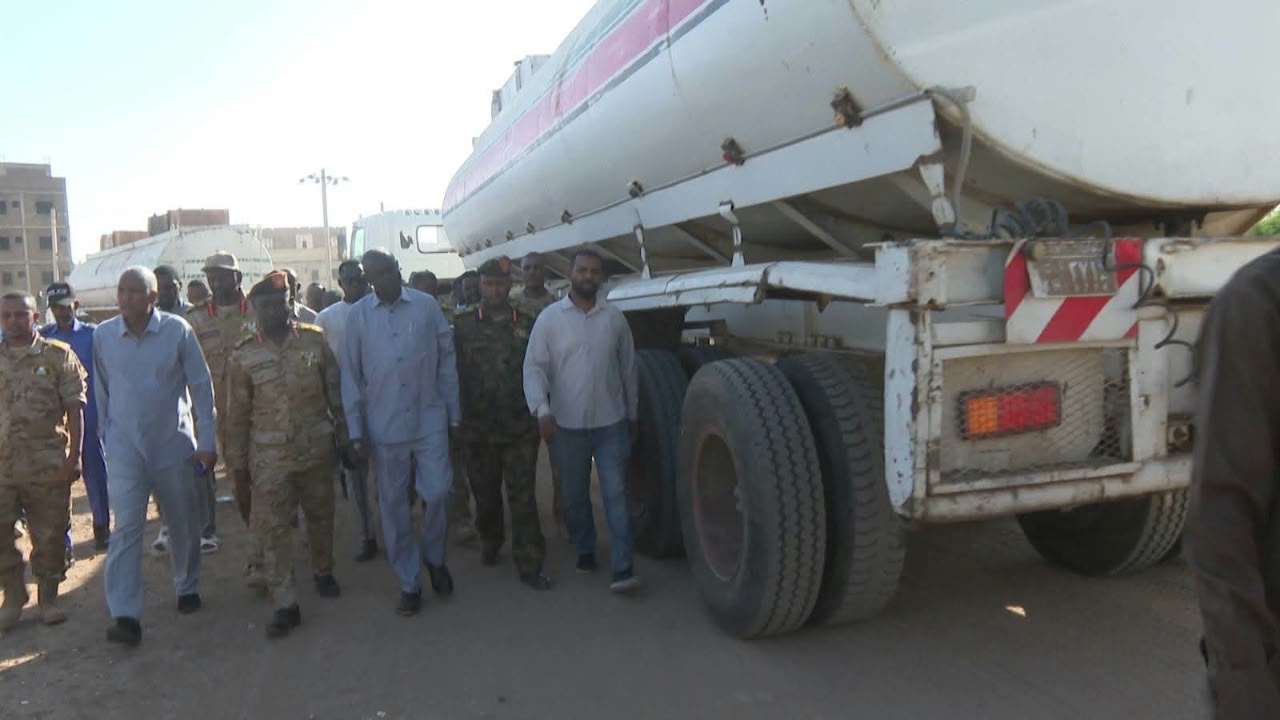
The General Intelligence Service in Sudan recently announced a significant crackdown on petroleum smuggling, revealing the interception of 24 trucks carrying approximately half a million liters of illicit fuel. These shipments were reportedly en route to regions under the control of the Rapid Support Forces (RSF), a group designated as a rebel entity in the western part of the country. This operation unfolded on a Saturday, spearheaded by the Khartoum State Security Authority and the Ministry of Energy and Petroleum, uncovering a sophisticated network diverting Khartoum's allocated fuel supply.
In response to these findings, Khartoum Governor Ahmed Osman Hamza issued an immediate directive to freeze the operations of all 'Wasil' fuel supply companies until further notice. Concurrently, authorities apprehended several managers from these fuel companies who are suspected of involvement in the illicit trade. The investigation specifically targeted the misuse of the permit system designed for mobile fuel distribution firms, which allegedly facilitated the diversion of these critical resources.
The security operation led to the seizure of 18 petroleum tankers, with 15 of these vehicles found to be transporting fuel that had been officially approved for essential service and production institutions within Khartoum state. The General Intelligence Service detailed that their monitoring and reconnaissance efforts exposed significant irregularities in how these permits were granted and how petroleum liabilities were cleared. Companies reportedly obtained multiple successive permits from the Ministry of Energy and Petroleum without providing the necessary documentation to prove the delivery of previously approved fuel quantities.
Legal Context
The actions taken by Governor Ahmed Osman Hamza, specifically the order to freeze all 'Wasil' fuel companies, underscore the government's firm stance against petroleum smuggling Sudan. This directive highlights the legal and regulatory framework being enforced to combat the diversion of state-allocated resources, particularly during a period of acute scarcity. The General Intelligence Service Sudan played a pivotal role in uncovering the systemic failures and alleged criminal activities, demonstrating the intelligence community's involvement in maintaining economic and national security.
The investigation revealed a critical flaw in the existing permit system, where companies were able to secure new permits from the Ministry of Energy and Petroleum without first settling their accounts for prior fuel allocations. This lack of accountability allowed for the continuous siphoning of fuel intended for legitimate use. The arrests of fuel company managers signal potential criminal charges related to economic sabotage, illicit enrichment, and aiding a rebel group, reflecting the serious legal ramifications for those found complicit in these schemes.
Why It Matters
This extensive operation targeting petroleum smuggling Sudan carries significant implications, particularly as Khartoum state grapples with a severe and ongoing fuel crisis. The scarcity of fuel has placed immense strain on vital service and production sectors, hindering essential operations and exacerbating the humanitarian situation. The diversion of nearly half a million liters of fuel to areas controlled by the Rapid Support Forces not only deprives the civilian population of critical resources but also potentially bolsters the operational capacity of a non-state armed actor.
The freezing of Khartoum fuel companies and the arrests of their managers send a clear message regarding the heightened scrutiny on fuel allocation and distribution. This incident underscores the broader challenges faced by the Sudanese government in controlling its resources and preventing their exploitation by groups engaged in conflict. The integrity of the supply chain for essential commodities like fuel is paramount for stability and recovery, making the crackdown on such illicit activities a crucial step in addressing both the economic crisis and national security concerns.
Practical Implications
Lawyers advising fuel distribution companies in Khartoum should immediately review their compliance procedures for fuel allocation, delivery, and documentation. The freezing of 'Wasil' companies and arrests of managers signal heightened regulatory scrutiny and potential legal action against firms suspected of diverting fuel, particularly to areas controlled by the Rapid Support Forces. Clients may face investigations, operational freezes, and criminal charges if found non-compliant with new directives or existing anti-smuggling laws.
Source
How does this affect you?
Get an AI analysis of this article grounded in your jurisdictions, practice areas, and any policy documents you've uploaded to Wansom.
Finish Reading the Full Story and the Expert Analysis.
Get the latest legal & regulatory intelligence in Sudan
Wansom is AI and can make mistakes.