
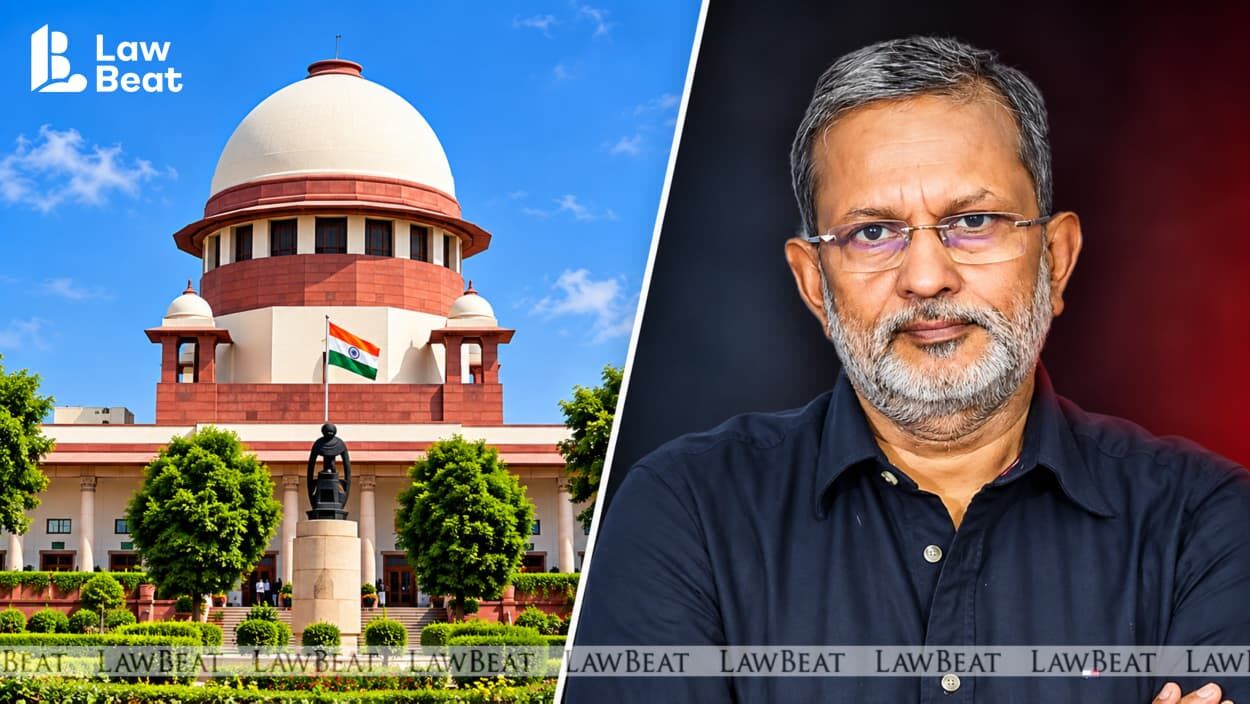
Supreme Court: Ajit Anjum Seeks Legislative Privileges Intervention
Summary
- The Supreme Court's seven-Judge Bench will review the scope of state legislative privileges, particularly concerning conflicts with fundamental rights like freedom of speech.
- Journalist Ajit Anjum has intervened in the case, arguing for a harmonious interpretation of privileges with fundamental rights and highlighting concerns about press freedom.
- Comedian Kunal Kamra has also intervened, linking the constitutional questions to breach of privilege proceedings he faces from the Maharashtra Legislature.
- The core case, N Ravi v. Speaker, Legislative Assembly, Chennai, originated from a 2003 controversy involving journalists and is scheduled for hearing on October 6, 2026.
Supreme Court to Re-evaluate Legislative Privileges
The ultimate ruling by this seven-Judge Bench will undoubtedly redefine the boundaries of legislative privileges in India.
The Supreme Court of India is set to undertake a pivotal examination of the scope and application of special powers and privileges granted to state legislatures. This review will particularly scrutinize situations where these legislative prerogatives appear to conflict with fundamental rights, such as freedom of speech and personal liberty. Journalist Ajit Anjum has formally sought to intervene in this significant case, which is currently being heard by a seven-Judge Bench, aiming to contribute to the interpretation of provisions concerning the extent of legislative privileges for Members of Legislative Assemblies (MLAs) and their impact on the fundamental right to freedom of speech and expression.
Anjum's intervention application highlights several broader constitutional issues at play. These include the complex relationship between legislative privilege and the public's right to information, the critical role of a free press, and the specific limits within which courts can review questions related to legislative privilege. The application emphasizes that India's constitutional evolution has consistently favored a broad and liberal interpretation of citizens' fundamental rights. It also warns that restrictions on accurate media reporting, especially in the era of instant publication, live broadcasts, and social media, could have a detrimental chilling effect on press freedom, which is essential for a functioning democracy.
Adding another layer of perspective to the proceedings, comedian Kunal Kamra has also filed an intervention application with the Supreme Court. Kamra seeks to be formally included in the same seven-judge Constitution Bench case, which is tasked with defining the boundaries of legislative privileges and their interaction with citizens' fundamental right to freedom of speech and expression. His plea specifically targets the long-standing matter of N Ravi & Ors. v. Speaker, Legislative Assembly, Chennai, a case that delves into the scope of privileges available to State Legislatures under Article 194 of the Constitution. The Supreme Court has scheduled the commencement of hearings for this crucial reference on October 6, 2026.
Arguments for Harmonious Interpretation
The application submitted on behalf of Ajit Anjum, filed through Advocate-on-Record Neha Rathi, articulates a clear stance on the nature and purpose of legislative privileges. It asserts that these privileges are conferred upon legislative bodies not as unrestricted powers, but rather to enable them to effectively discharge their constitutional and legislative functions. Consequently, the application posits that such powers are inherently functional and must be interpreted holistically within the broader framework of the Constitution. A central argument advanced is the necessity for a harmonious interpretation between the constitutional guarantees of freedom of speech and the provisions concerning legislative privilege, especially considering the significant constitutional and legal advancements that have occurred since the Supreme Court's consideration of these issues in the historic Keshav Singh Reference.
Kunal Kamra's intervention carries particular weight given his personal experience with legislative privilege proceedings. He faces such proceedings initiated by the Maharashtra Legislature following a satirical performance in his comedy show, "Naya Bharat." Kamra's performance, which satirized the 2022 split of the Shiv Sena party, the subsequent resignation of then Chief Minister Uddhav Thackeray, and the formation of a new state government under Eknath Shinde, reportedly included calling Shinde a 'Gaddar' (traitor) in a song. Kamra argues that the fundamental constitutional questions being addressed by the seven-judge Bench directly pertain to the privilege proceedings he is currently facing.
His plea further highlights that the invocation of legislative privilege against ordinary citizens for speech directed at elected representatives raises critical questions regarding the protection afforded to free speech. Kamra contends that such proceedings have the potential to create a chilling effect, discouraging public commentary on the performance and conduct of elected officials, thereby undermining democratic discourse.
Implications for Free Speech and Legislative Accountability
The foundational case, N Ravi v. Speaker, Legislative Assembly, Chennai, from which the current reference to the seven-Judge Bench originates, stems from a controversy dating back to 2003. This earlier dispute involved journalists associated with The Hindu newspaper, against whom the Tamil Nadu Legislative Assembly had initiated privilege proceedings. The long-pending nature of this matter underscores the enduring complexity and sensitivity surrounding the interplay between legislative authority and individual rights.
The Supreme Court's upcoming hearings, set to begin in October 2026, are therefore of immense significance. The ultimate ruling by this seven-Judge Bench will undoubtedly redefine the boundaries of legislative privileges in India. It will provide crucial clarity on how these powers can be exercised without infringing upon fundamental rights, especially freedom of speech and expression, shaping the future landscape of constitutional law in the country.
Practical Implications
Lawyers and compliance officers should closely monitor the Supreme Court's ruling in this seven-judge bench case, as it will redefine the boundaries of legislative privileges in India, particularly concerning their conflict with fundamental rights like freedom of speech and press. This will directly impact advice given to clients on public commentary, media reporting, and potential exposure to privilege proceedings initiated by state legislatures.
Source
How does this affect you?
Get an AI analysis of this article grounded in your jurisdictions, practice areas, and any policy documents you've uploaded to Wansom.
Finish Reading the Full Story and the Expert Analysis.
Get the latest legal & regulatory intelligence in India
Wansom is AI and can make mistakes.