
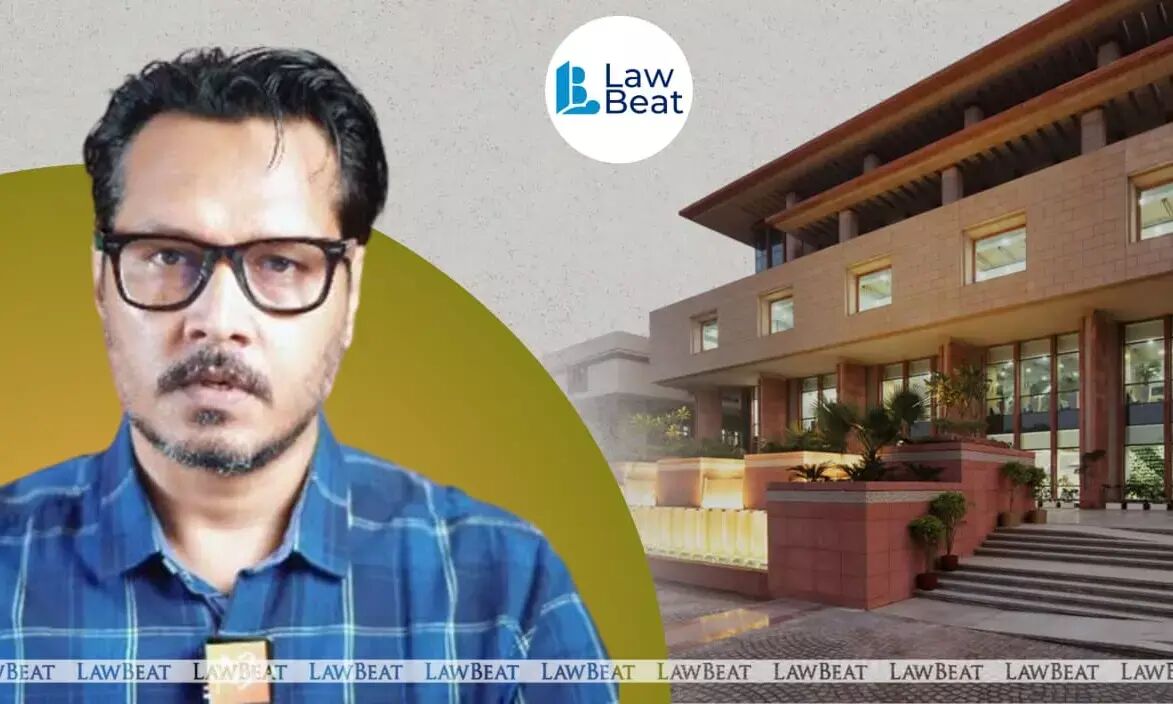
Ajeet Bharti Delhi HC: Denies Caste Intent, Cites Activism
Summary
- YouTuber Ajeet Bharti informed the Delhi High Court he is an anti-caste discrimination activist.
- Bharti asserted he never intended to denigrate any caste with his remarks.
- He urged the court to review the full video and consider the context of the allegedly objectionable statements.
Courtroom Developments
His defense hinges on the assertion that his public statements, though deemed objectionable by some, were never intended to disparage any specific caste group.
YouTuber Ajeet Bharti recently presented a robust defense before the Delhi High Court, asserting his identity as a dedicated activist against caste discrimination. Appearing before the court on Wednesday, Bharti unequivocally stated that his actions and remarks have consistently been aimed at combating such prejudice, not perpetuating it. This direct declaration forms the cornerstone of his legal argument in the ongoing proceedings concerning his anticipatory bail plea, on which the Delhi High Court has reserved its order, where he seeks to clarify the true nature of his public commentary.
Bharti, a prominent online personality with a significant following, is currently facing scrutiny over certain statements he made that have been deemed allegedly objectionable. However, he maintains that any interpretation of his words as derogatory towards any caste is fundamentally misguided and misrepresents his core beliefs. His submission to the Delhi High Court emphasizes a complete absence of malicious intent, positioning himself firmly as an advocate for equality and social justice rather than a purveyor of disparagement or division.
Arguments on Intent and Context
Central to Bharti's legal strategy is his earnest plea for the Delhi High Court to undertake a comprehensive and unbiased review of the evidence presented. He specifically urged the court to consider the entirety of the video recording from which the allegedly objectionable remarks were extracted, arguing that partial viewing can lead to misinterpretation. This request underscores his belief that isolating specific phrases without their surrounding narrative distorts their true meaning and purpose, potentially leading to an unfair judgment.
Furthermore, Bharti stressed the critical importance of evaluating the broader context in which these statements were originally made. He argued that understanding the full background, the specific audience, and the circumstances surrounding his commentary is absolutely essential for a fair and accurate assessment of his intentions. He contends that such a holistic approach would unequivocally reveal his genuine stance against caste-based prejudice. His defense hinges on the assertion that his public statements, though deemed objectionable by some, were never intended to disparage any specific caste group, but rather to engage with issues of social concern. This focus on intent and contextual understanding is a key element of his legal defense, aiming to demonstrate that his remarks were not an act of discrimination.
Broader Implications for Caste-Related Cases
This case, involving YouTuber Ajeet Bharti and his appearance before the Delhi High Court, highlights significant legal considerations surrounding allegations of caste discrimination under Indian law. The emphasis placed by Bharti on his lack of intent to denigrate any caste, coupled with his request for a thorough contextual review of his remarks, brings to the forefront the complexities inherent in prosecuting such cases. It underscores the persistent challenge in distinguishing between legitimate critical commentary, even if provocative, and speech genuinely aimed at promoting hatred or discrimination against specific communities.
The proceedings offer valuable insights into potential legal defense strategies for individuals accused of similar offenses, particularly where public statements are at issue. By advocating for a holistic examination of evidence, including the complete video and its surrounding circumstances, Bharti's approach could influence how courts assess culpability in cases involving alleged caste-based hate speech. This scenario contributes significantly to the ongoing discourse on the delicate balance between freedom of speech, the legal requirement to prove intent, and the effective interpretation and application of anti-discrimination laws within India's diverse social fabric.
Practical Implications
This case provides insight into legal arguments concerning intent and context in alleged caste discrimination or hate speech cases, offering a precedent for defense strategies where public statements are challenged.
Source
How does this affect you?
Get an AI analysis of this article grounded in your jurisdictions, practice areas, and any policy documents you've uploaded to Wansom.
Finish Reading the Full Story and the Expert Analysis.
Get the latest legal & regulatory intelligence in India
Wansom is AI and can make mistakes.