
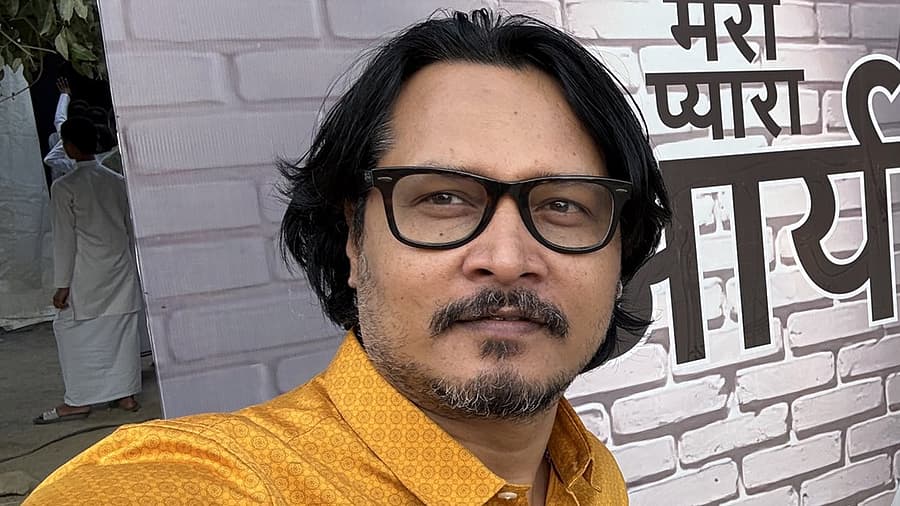
Delhi HC: Ajeet Bharti Anticipatory Bail Reserved in SC/ST Act Case
Summary
- The Delhi High Court has reserved its decision on YouTuber Ajeet Bharti's anticipatory bail plea in a case under the Scheduled Castes and the Scheduled Tribes (Prevention of Atrocities) Act, 1989.
- The case stems from Bharti's comments regarding Member of Parliament Chandrashekhar Azad Ravan.
- Justice Saurabh Banerjee remarked that Bharti should have been more circumspect in his comments, explicitly calling the words used offensive.
- The court questioned the Delhi Police on why no notice had been issued to Bharti and whether custodial interrogation was required.
- Delhi Police explained that Bharti's address was only obtained two days prior, preventing earlier notice issuance.
Anticipatory Bail Decision Reserved
Justice Saurabh Banerjee remarked that Bharti should have been circumspect in making the comments.
The Delhi High Court has concluded arguments and reserved its judgment on an anticipatory bail application filed by YouTuber Ajeet Bharti. The plea seeks protection from arrest in connection with a case registered against him under the Scheduled Castes and the Scheduled Tribes (Prevention of Atrocities) Act, 1989. The legal proceedings stem from comments Bharti made concerning Member of Parliament (MP) Chandrashekhar Azad Ravan, which led to the invocation of the stringent SC/ST Act.
The hearing, which took place on a Monday, saw Justice Saurabh Banerjee presiding over the deliberations. The court's decision on whether to grant pre-arrest bail to Bharti is now pending, following a detailed examination of the arguments presented by both sides. This development marks a significant stage in the ongoing legal challenge faced by the YouTuber.
Judicial Scrutiny of Offensive Remarks
During the proceedings, Justice Saurabh Banerjee conveyed a strong judicial perspective on the nature of Ajeet Bharti's comments. The judge emphasized that Bharti ought to have exercised greater caution and discretion in his public statements. Justice Banerjee articulated that while individuals may express opinions, this right does not extend to making specific references or naming individuals, especially when dealing with sensitive topics related to protected groups under specific statutes.
The court explicitly characterized the language used by Bharti as offensive. This assessment came to the fore when a transcript of Bharti's video was presented in court. Justice Banerjee reacted sharply to the submission, objecting to the introduction of such content into the court record and even warning of potential contempt proceedings. The judge questioned whether the phraseology contained within the transcript was not considered offensive by the party presenting it, urging an awareness of the implications of such submissions.
Justice Banerjee underscored that certain legal frameworks grant special protections, necessitating a heightened degree of circumspection from individuals when engaging in public discourse. The court's remarks suggest a firm stance against speech that could be construed as violating these statutory safeguards, particularly when it targets specific individuals or communities.
Delhi Police Actions Questioned
A key point of contention during the hearing involved the Delhi Police's investigative procedures. The Delhi High Court raised direct questions regarding the police's failure to issue a formal notice to the accused, Ajeet Bharti, in the ongoing case. Justice Saurabh Banerjee specifically inquired whether the investigating authorities deemed custodial interrogation unnecessary, given the absence of such a preliminary step.
In response to the court's query, the counsel representing the Delhi Police provided an explanation for the delay. It was stated that the investigating officer had only managed to ascertain Bharti's residential address a mere two days prior to the court hearing. This recent acquisition of the address was cited as the reason why a notice could not have been issued to Bharti at an earlier stage of the investigation. The court's probing into police conduct underscores the judiciary's role in overseeing the procedural fairness of law enforcement actions.
Practical Implications
This ruling underscores the Delhi High Court's stringent view on speech deemed offensive, particularly concerning protected groups under the SC/ST Act. Lawyers advising public figures, content creators, or those involved in public discourse should note the heightened risk of criminal proceedings for comments that lack circumspection, even before a formal arrest, and the judicial scrutiny of police procedures regarding custodial interrogation.
Source
How does this affect you?
Get an AI analysis of this article grounded in your jurisdictions, practice areas, and any policy documents you've uploaded to Wansom.
Finish Reading the Full Story and the Expert Analysis.
Get the latest legal & regulatory intelligence in India
Wansom is AI and can make mistakes.