
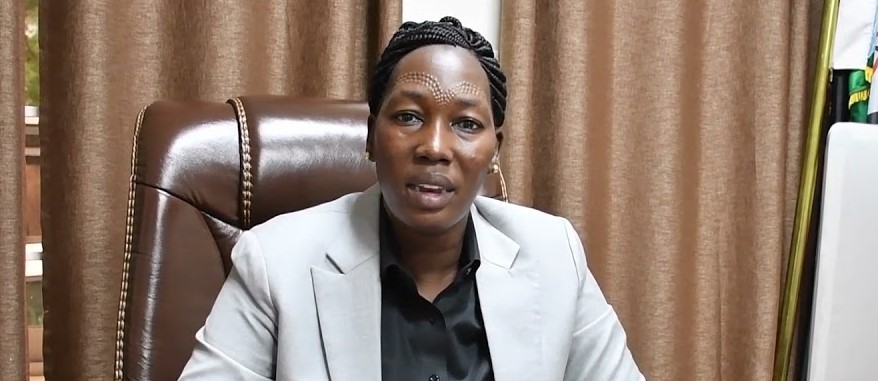
Achan Agoth Akiec: Released After Signature Forgery Detention
Summary
- Achan Agoth Akiec, a former adviser to South Sudan's First Lady, has been released from detention, after being held on charges including forging President Salva Kiir's signature.
- She was arrested on May 19 alongside two lawmakers, accused by the National Security Service (NSS) of multiple offenses.
- The NSS initiated criminal case No. 1891, also seeking to lift the parliamentary immunity of the co-accused.
- Her family had previously confirmed her continued detention, refuting social media reports of her release, but recent reports indicate her release.
- The case highlights concerns regarding the NSS's broad powers and potential for prolonged detention without timely judicial review in South Sudan.
Ongoing Detention and Allegations
This incident underscores the significant risks of prolonged detention and potential due process violations by the South Sudan National Security Service, even for high-profile individuals.
Achan Agoth Akiec, a prominent Juba-based businesswoman and former senior adviser to South Sudan's First Lady Mary Ayen Mayardit, has been released from custody. This update follows earlier reports of her continued detention, which had contradicted social media suggestions of her release. Ms. Akiec, who previously served as a special adviser in the First Lady's Office, was apprehended in Juba on May 19.
Her arrest was part of a broader operation that also saw the detention of two lawmakers, Kom Kom Geng and Ayii Akol, who represent the Aweil East constituency. The National Security Service (NSS) has leveled serious accusations against Ms. Akiec and the two legislators, including forging President Salva Kiir’s signature. Additional charges encompass the unlawful use of presidential authority, smuggling official documents, and interfering with an ongoing investigation involving 16 other detainees, notably former Vice President Benjamin Bol Mel, who faces allegations of financial and related crimes.
Speaking on behalf of the family, Ayuel Bol Malek clarified to reporters over the weekend that Ms. Akiec had not been freed at that time. The family expressed regret for the earlier confusion, attributing the misinformation to the high-pressure circumstances surrounding the case. Ms. Akiec hails from Twic County in Warrap State, while the two detained lawmakers are from Northern Bahr el Ghazal State.
The Investigation's Scope and Legal Process
The National Security Service (NSS) initiated the formal complaint that led to these arrests, opening criminal case No. 1891 on May 13. This legal process began through the Northern Police Division and public prosecutors before the security agency escalated the matter to the national parliament. The purpose of this parliamentary referral was to seek the lifting of the two lawmakers' immunity, a necessary step for their prosecution given their official positions.
The charges against Ms. Akiec and her co-accused are extensive, focusing on the alleged forgery of President Salva Kiir’s signature and the misuse of presidential authority. The accusation of interfering with an investigation is particularly notable, linking this case to a wider probe into alleged financial misconduct. This broader investigation involves a significant number of individuals, including former Vice President Benjamin Bol Mel, underscoring the high-profile nature and potential political sensitivities of the ongoing legal proceedings.
Broader Concerns Over Due Process
This case illuminates persistent concerns regarding the powers and practices of South Sudan's security agencies, particularly the National Security Service. The National Security Service Act grants the NSS extensive authority, including the power to arrest and detain suspects without a judicial warrant. This broad mandate has frequently drawn criticism from human rights activists and international observers.
While South Sudanese law mandates that detainees must be presented before a court within 24 hours of their arrest, rights groups have consistently voiced concerns about the lack of compliance with this fundamental due process requirement. The prolonged detention of individuals like Achan Agoth Akiec without immediate judicial review highlights a systemic challenge within the nation's legal framework, raising questions about accountability and the protection of individual liberties.
Implications for Rule of Law
The continued detention of Achan Agoth Akiec on charges including the alleged forgery of President Salva Kiir’s signature underscores significant risks within South Sudan's judicial system. This incident exemplifies the potential for prolonged detention and due process violations by the National Security Service, even when high-profile individuals are involved. The broad powers afforded to the NSS, coupled with reported inconsistencies in adhering to legal requirements for timely court appearances, create an environment where individuals can be held for extended periods without adequate judicial oversight.
This situation presents considerable challenges for securing timely judicial review in politically sensitive investigations. The case of Achan Agoth Akiec, with its complex allegations and the involvement of parliamentary immunity, serves as a stark reminder of the difficulties in navigating the legal landscape in South Sudan, where the balance between national security concerns and individual rights remains a contentious issue.
Practical Implications
This case underscores the significant risks of prolonged detention and potential due process violations by the South Sudan National Security Service (NSS), even for high-profile individuals. Lawyers should advise clients on the broad powers of the NSS and the challenges in securing timely judicial review in such politically charged investigations.
Source
How does this affect you?
Get an AI analysis of this article grounded in your jurisdictions, practice areas, and any policy documents you've uploaded to Wansom.
Wansom is AI and can make mistakes.