
Yangwara Pojulu Tijor: Authorities Accused of Nyamini Land Order Defiance
Summary
- The Yangwara Pojulu Tijor Community accuses Juba County authorities and individuals of continuing land demarcation in Nyamini despite a gubernatorial order.
- Central Equatoria Governor Emmanuel Adil Anthony’s Order No. 19, issued March 2, 2026, reportedly cancelled Nyamini land documents and suspended related activities.
- The community asserts Nyamini is their ancestral land, a claim supported by historical records and a 2013 committee's findings.
- The dispute, ongoing since 2013, has seen previous government interventions, but demarcation allegedly resumed in 2025.
- The Yangwara Pojulu Tijor Community warns citizens, companies, and investors against engaging in Nyamini land transactions until the ownership dispute is resolved.
Allegations of Defiance in Nyamini Land Dispute
The community explicitly warned citizens, companies, and investors against purchasing or engaging in any land investments within Nyamini until the fundamental issue of ownership is definitively resolved.
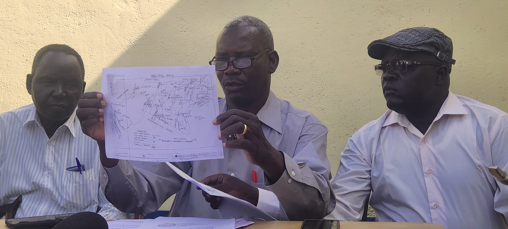
The Yangwara Pojulu Tijor Community has publicly accused both local authorities and private individuals within Juba County of persistently engaging in land demarcation and allocation activities in Nyamini. These actions are alleged to be occurring despite a clear gubernatorial directive that suspended all such land-related operations in the contested territory. The community voiced these serious allegations during a recent press conference held in Juba, emphasizing that Nyamini constitutes ancestral land historically belonging to the Yangwara people, a claim central to a land dispute that has been ongoing since 2013.
Yapete Mogga Abdallah, the Secretary-General for the Yangwara Pojulu Tijor Community, specifically highlighted that plots continue to be shown, tokens issued, and land demarcated. This alleged defiance directly contravenes Central Equatoria Governor Emmanuel Adil Anthony’s Order No. 19, which was issued on March 2, 2026. According to the community, this order explicitly cancelled all existing land documents pertaining to Nyamini and mandated a halt to any further land activities within the area. Mogga stated that despite the governor's directive, demarcation and showing of plots are still actively underway, accusing those involved of directly flouting the order.
The community further alleged that certain local authorities and armed personnel are actively supporting or facilitating these disputed land activities. While these claims underscore the gravity of the situation, they have not yet been independently verified. The ongoing Yangwara Pojulu Tijor Nyamini land order defiance raises significant concerns regarding adherence to official directives and the rule of law in Central Equatoria.
Deep-Rooted Claims and Historical Context
The core of the Central Equatoria land dispute in Nyamini lies in competing claims over ownership, with the Yangwara Pojulu Tijor Community steadfastly maintaining that the area is an integral part of their traditional territory. Their position is reportedly substantiated by a range of historical, customary, and governmental records. Among these are the 1999 Warrant of Establishment of Dolo Local Council and specific recommendations put forth by the Juba County Peace and Reconciliation Committee in 2013.
According to the community, the 2013 committee’s findings explicitly recognized the disputed area as traditionally and historically owned by the Yangwara people. Consequently, the committee recommended that all unilateral demarcation and investment activities be suspended until a definitive resolution to the dispute could be achieved. The community also noted that subsequent government interventions had previously halted land activities in Nyamini, yet they allege that demarcation efforts controversially resumed in 2025.
This protracted dispute eventually escalated to the state authorities, with the community confirming that they petitioned various government officials, leading the matter to reach the State Council of Ministers. The Yangwara Pojulu Tijor Community submitted comprehensive historical and administrative documents to bolster their claim, but they have rejected what they perceive as attempts to resolve the dispute through political consensus without first establishing clear ownership. Mogga underscored this sentiment, stating, “Peace cannot rest on ambiguity and unity cannot be built on the denial of the rightful ownership.”
Legal Challenges and Calls for Resolution
Beyond the administrative appeals, the Nyamini dispute has also entered the judicial arena. The community referenced a court case initiated in March 2026 by chiefs and headmen from Ladu Payam, alongside members of Kota Lodimi, against two traditional leaders concerning the Nyamini land. The Yangwara Pojulu Tijor leadership has called for the withdrawal of this legal action, asserting that traditional leaders should prioritize fostering peace and justice rather than contributing to land-related conflicts.
In light of the ongoing uncertainty and alleged defiance of Governor Adil Anthony Order No. 19, the community has issued a stark warning to the broader public. They cautioned citizens, companies, and potential investors against purchasing or investing in land within Nyamini until the fundamental issue of ownership is definitively resolved. This Nyamini investment warning highlights the significant South Sudan land ownership risk inherent in the area.
The Yangwara Pojulu Tijor Community has urged the Central Equatoria State government to take decisive action by enforcing the gubernatorial order, immediately halting any further demarcation, and establishing the lawful ownership of the disputed area. They also called upon Juba County authorities to maintain strict impartiality and implored armed personnel to refrain from involvement in what they described as illegal land activities. The community reiterated its commitment to resolving the dispute peacefully while vowing to defend what it considers its ancestral land through all lawful means.
Youth Engagement and Community Commitment
Adding another dimension to the community’s stance, Youth Representative Joseph Modi Justin affirmed that the youth of the Yangwara Pojulu Tijor Community remain dedicated to a peaceful resolution of the Nyamini land dispute. He extended an appeal to neighboring communities, including those in Ilikare Boma and Ladu Payam, to come forward with any evidence they might possess to support their respective claims.
Modi emphasized that the youth seek to avoid confrontation with their “brothers” from adjacent communities. Instead, their primary desire is for the Central Equatoria State government to intervene decisively and facilitate a lasting resolution to the dispute. This collective commitment underscores the community’s resolve to address the complex issues surrounding customary land rights South Sudan through dialogue and adherence to legal processes, despite the challenges posed by alleged ongoing defiance of official orders.
Practical Implications
Lawyers should advise clients considering land investments or acquisitions in the Nyamini area of Central Equatoria, South Sudan, of significant ongoing ownership disputes and the reported defiance of a gubernatorial order suspending land activities, indicating high legal and reputational risks. Compliance officers must ensure rigorous due diligence for any land-related transactions in this region to avoid involvement in illegal activities or disputes.
Source
How does this affect you?
Get an AI analysis of this article grounded in your jurisdictions, practice areas, and any policy documents you've uploaded to Wansom.
Wansom is AI and can make mistakes.