
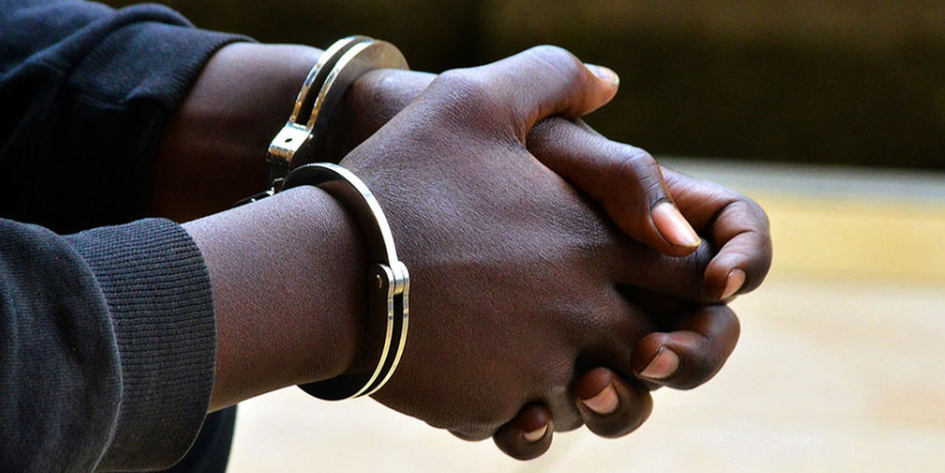
Chief Tito Duang Dhieu: National Security Detention for Exposing Prison Conditions
Summary
- Paramount Chief Tito Duang Dhieu was detained by South Sudan's Internal Security Bureau after exposing poor inmate conditions at Nyamlel Prison.
- The chief visited the prison and shared photographs publicly following an inmate's death, reportedly from hunger and illness.
- Aweil West County Commissioner Abuol Akok Akok stated the chief should have reported issues to her first, rather than sharing photos without authorization.
- Local residents questioned the National Security Service's involvement, arguing civilian detainees should be held by police.
- The incident highlights broader, long-documented issues of overcrowding, poor sanitation, and inadequate care in South Sudan's prisons, as reported by Human Rights Watch.
The Arrest and Its Cause
His arrest by the South Sudan Internal Security Bureau, following his efforts to highlight critical Aweil West Nyamlel Prison conditions, sends a chilling message to others who might consider bringing public attention to similar issues.
Paramount Chief Tito Duang Dhieu of Gomjuer Centre in Aweil West County was recently taken into custody by the Internal Security Bureau (ISB), an arm of the National Security Service. His detention followed a visit to Nyamlel Prison, where he documented and subsequently publicized the dire living conditions of inmates. The chief's actions, which included taking and sharing photographs without official government permission, were confirmed by Aweil West County Commissioner Abuol Akok Akok in a statement to Radio Tamazuj.
Chief Duang Dhieu's visit to the prison, and his subsequent decision to expose the conditions, was prompted by a tragic incident: the death of an inmate the preceding Thursday. Local reports indicated that the death was reportedly due to hunger and illness. The chief's stated intention was to bring public awareness to the plight of those incarcerated at Nyamlel Prison and to encourage charitable individuals to offer aid to the most vulnerable detainees. Images obtained by Radio Tamazuj corroborated the chief's findings, depicting inmates enduring substandard conditions within the facility.
Following his arrest on Friday, Chief Duang Dhieu was transferred to Aweil town, where he remains detained. Commissioner Akok Akok expressed that the chief should have first reported any issues directly to her. She stated that had he followed proper protocol, she would have engaged with attorneys and judges to facilitate the release of inmates held for minor offenses or to transfer those facing serious charges to Aweil State Prison. The Commissioner reiterated that Paramount Chief Tito Duang Dhieu is currently held in Aweil town, underscoring the Tito Duang Dhieu National Security detention.
Context of Detention and Conditions
The involvement of the National Security Service (NSS) in Chief Duang Dhieu's arrest has raised questions among local residents regarding appropriate legal procedures for civilian detainees. An anonymous resident from Nyamlel voiced concerns, highlighting that typically, individuals arrested for civilian matters should be held in police custody, where their whereabouts are easily ascertainable. This particular case, however, was reportedly handled with the urgency usually reserved for security situations, deviating from standard practice for civilian arrests, and raising questions about National Security Service civilian detention.
The specific details surrounding the inmate's death that spurred Chief Duang Dhieu's visit, as well as the precise number of individuals incarcerated at Nyamlel Prison, have not been immediately clarified. Efforts to obtain a statement from the National Security Service regarding the incident were also unsuccessful. The incident at Nyamlel Prison, and the broader Aweil West Nyamlel Prison conditions, are not isolated.
Indeed, poor conditions within South Sudan's correctional facilities have been extensively documented over many years. Human Rights Watch, for instance, has previously reported widespread issues across numerous states, including severe overcrowding, insufficient provisions of food and water, inadequate sanitation, and extremely limited access to medical care for prisoners. This broader context highlights the human rights South Sudan prisons issue.
Implications for Transparency and Rights
The detention of Chief Tito Duang Dhieu after he sought to expose human rights abuses within a correctional facility carries significant implications for transparency and accountability in South Sudan. His arrest by the South Sudan Internal Security Bureau, following his efforts to highlight critical Aweil West Nyamlel Prison conditions, sends a chilling message to others who might consider bringing public attention to similar issues. This incident directly touches upon the risks for individuals exposing human rights abuses in South Sudan.
Furthermore, the involvement of the National Security Service in what appears to be a civilian matter, as noted by local residents, raises serious due process concerns. The National Security Service's role in arresting and detaining a paramount chief for sharing information about prison conditions, rather than a police force handling a potential public order issue, suggests an overreach that lawyers should factor into advice for clients on detention and advocacy, especially when dealing with the National Security Service civilian detention. The Chief Tito Duang Dhieu arrest thus becomes a case study in these concerns.
This case underscores the challenges faced by those attempting to advocate for improved human rights in the country and highlights the potential for security apparatuses to be used in ways that suppress information rather than address underlying problems. The focus on the unauthorized sharing of images, rather than the severe conditions depicted, shifts attention from the substance of the chief's concerns to the procedural aspects of his actions, potentially stifling future attempts at public oversight.
Practical Implications
This incident underscores the risks for individuals exposing human rights abuses in South Sudan and raises serious due process concerns regarding the National Security Service's involvement in civilian arrests, which lawyers should factor into advice for clients on detention and advocacy.
Source
How does this affect you?
Get an AI analysis of this article grounded in your jurisdictions, practice areas, and any policy documents you've uploaded to Wansom.
Wansom is AI and can make mistakes.