
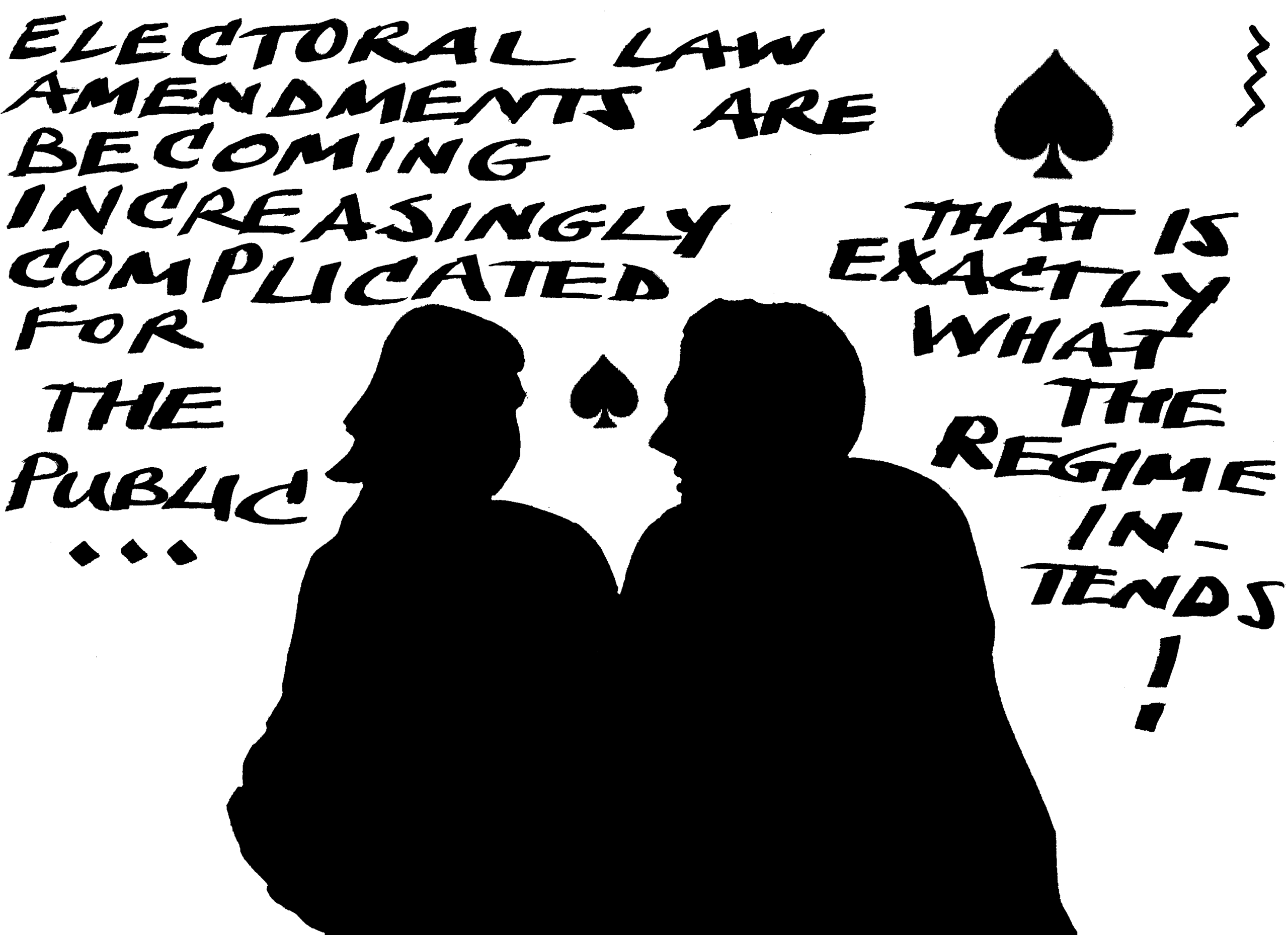
Zimbabwe: Electoral Law Monodialogues Explored
The Zimbabwean, in an article titled "The Zim monodialogues," broadly referenced "Electoral law" in Zimbabwe, though the excerpt provides no specific details regarding a particular legal development, ruling, or event. This minimal information prevents a detailed analysis of a specific occurrence, but points to the ongoing relevance of electoral legislation in the country.
Without specific details of a legal development, it is challenging to pinpoint the exact legal significance for practitioners, businesses, or the public. However, generally, any discussion or potential changes in electoral law in Zimbabwe are highly significant as they directly impact the democratic processes, political stability, and the legitimacy of governance. Such developments can affect voter registration, candidate eligibility, campaign finance, election observation, and dispute resolution mechanisms, all of which have profound implications for civil society, political parties, and businesses operating within the country's political and economic landscape.
The legal context for "electoral law" in Zimbabwe primarily involves the Constitution of Zimbabwe, particularly Chapter 4 (Declaration of Rights) and Chapter 5 (Elections). Key statutes include the Electoral Act [Chapter 2:13], which governs the conduct of elections, voter registration, and the Zimbabwe Electoral Commission (ZEC). Other relevant legislation might include the Political Parties (Finance) Act and various statutory instruments. The Supreme Court and Constitutional Court frequently hear cases related to electoral disputes, setting precedents that shape the interpretation and application of these laws.
Given the broad nature of the excerpt, the key parties involved in general electoral law matters in Zimbabwe typically include the Zimbabwe Electoral Commission (ZEC), political parties, individual candidates, civil society organizations, and the electorate. The courts, particularly the Electoral Court, High Court, Supreme Court, and Constitutional Court, play a crucial role in adjudicating electoral disputes and interpreting electoral legislation.
Attorneys and legal professionals in Zimbabwe should consistently monitor legislative amendments to the Electoral Act, statutory instruments issued by the ZEC, and significant judgments from the superior courts concerning electoral matters. Understanding the evolving legal framework is critical for advising political parties, candidates, civil society groups involved in election monitoring, and businesses whose operations may be affected by political stability or electoral outcomes. Without further details from the excerpt, specific actions or monitoring points cannot be identified beyond this general advice.
How does this affect you?
Get an AI analysis of this article grounded in your jurisdictions, practice areas, and any policy documents you've uploaded to Wansom.
Finish Reading the Full Story and the Expert Analysis.
Get the latest legal & regulatory intelligence in Zimbabwe
Wansom is AI and can make mistakes.