
Zimbabwe Immigration: Danish Student Passport Seizure After Zinasu Conference
Summary
- Zimbabwe's Department of Immigration confiscated passports from seven Danish students in Bulawayo.
- The students had attended a Zimbabwe National Students Union (Zinasu) conference that was disrupted by police.
- Police halted the conference due to an alleged failure to obtain clearance under the Maintenance of Peace and Order Act (MOPA).
- The Zimbabwe Lawyers for Human Rights (ZLHR) confirmed the police's reason for stopping the event.
- This incident highlights strict enforcement of MOPA and potential immigration consequences for foreign attendees.
What Happened
The strict enforcement of the Maintenance of Peace and Order Act (MOPA) and the potential for immigration authorities to take decisive action, such as passport confiscation, if regulatory clearances are not meticulously obtained, cannot be overstated.
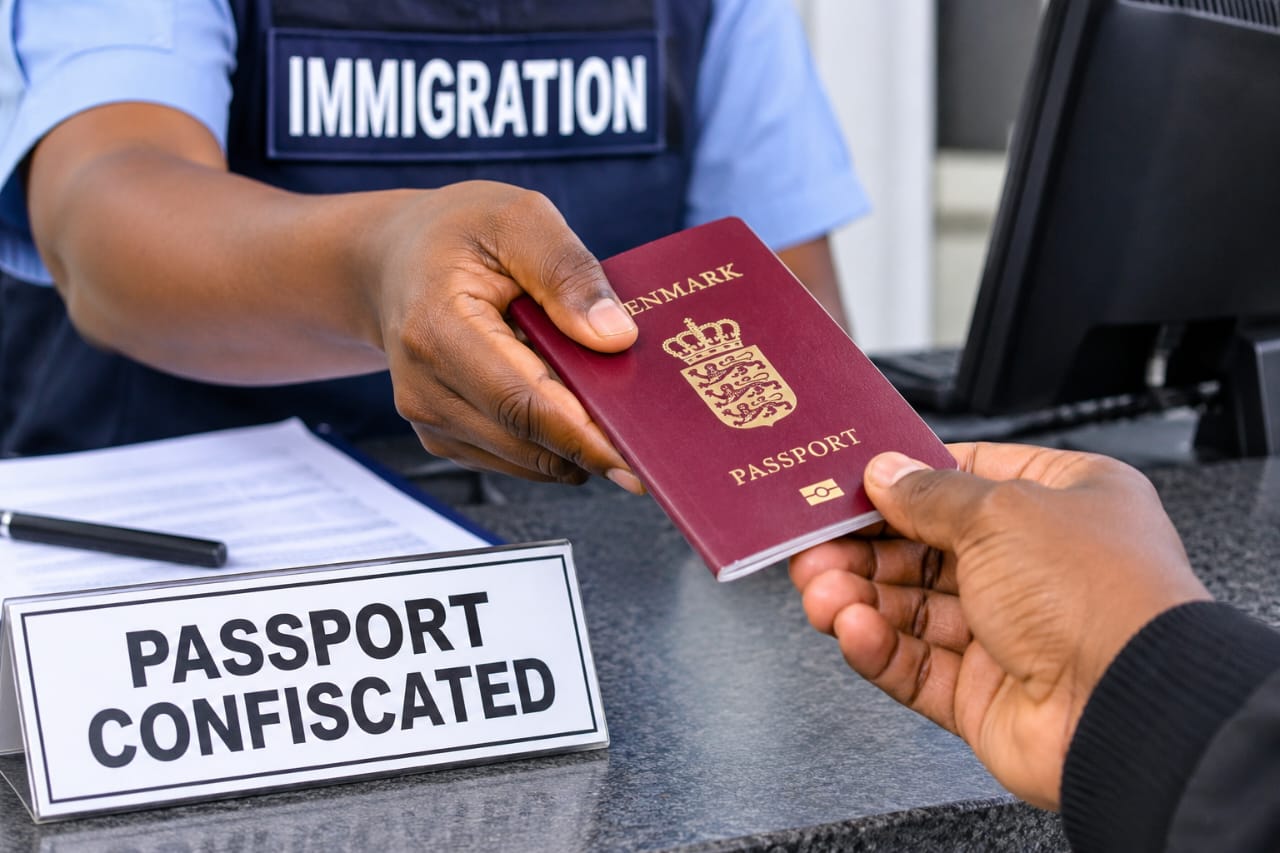
The Zimbabwean Department of Immigration recently confiscated the travel documents of seven Danish students who had attended a Zimbabwe National Students Union (Zinasu) conference in Bulawayo. This significant action by immigration authorities occurred on a Saturday, following a series of disruptions that had plagued the student gathering.
Prior to the immigration intervention, the conference itself had been halted by local police. Law enforcement officials cited an alleged failure by the organizers to obtain the necessary clearance from the regulating authority, a requirement stipulated under the Maintenance of Peace and Order Act (MOPA). This initial police action set the stage for the subsequent involvement of immigration officials, escalating the situation for the foreign attendees.
Legal Context
The disruption of the Zinasu conference and the subsequent passport seizure are rooted in the strict enforcement of Zimbabwe's Maintenance of Peace and Order Act (MOPA). This legislation mandates that organizers of public gatherings, such as conferences, must secure official clearance from the relevant authorities before proceeding. The police's initial intervention was directly linked to the alleged absence of this crucial regulatory permit.
Confirmation of the police's stance came from the Zimbabwe Lawyers for Human Rights (ZLHR), which reported that officers from Hillside Police had explicitly stated the conference could not continue due to the lack of required authorization. This highlights the legal framework governing public assemblies in Zimbabwe and the potential consequences for non-compliance, which in this instance, extended beyond the organizers to the international participants.
Why It Matters
The confiscation of passports belonging to Danish students by the Department of Immigration, following a police-enforced disruption of a Zinasu conference, underscores the rigorous application of regulatory statutes in Zimbabwe. This incident demonstrates a clear escalation from a domestic policing matter concerning event permits to an international immigration issue affecting foreign nationals. The involvement of immigration authorities in response to an alleged violation of the Maintenance of Peace and Order Act (MOPA) sends a strong signal regarding the country's approach to regulatory compliance for both local organizations and international participants.
This event serves as a critical reminder for any foreign nationals or organizations planning to host or attend events in Zimbabwe. The strict enforcement of the Maintenance of Peace and Order Act (MOPA) and the potential for immigration authorities to take decisive action, such as passport confiscation, if regulatory clearances are not meticulously obtained, cannot be overstated. Such incidents can have significant implications for international engagement and highlight the importance of thorough legal and logistical preparation.
Practical Implications
Lawyers advising foreign nationals or organizations hosting events in Zimbabwe should note the strict enforcement of the Maintenance of Peace and Order Act (MOPA) and the potential for immigration authorities to take action, such as passport confiscation, if regulatory clearances are not meticulously obtained.
Source
Source: Original reporting via NewsDay
How does this affect you?
Get an AI analysis of this article grounded in your jurisdictions, practice areas, and any policy documents you've uploaded to Wansom.
Finish Reading the Full Story and the Expert Analysis.
Get the latest legal & regulatory intelligence in Zimbabwe
Wansom is AI and can make mistakes.