
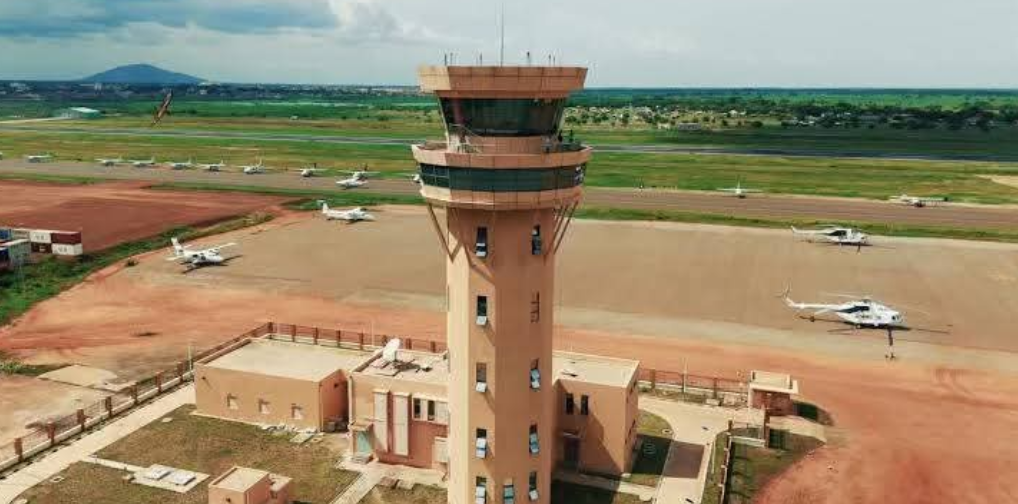
SSCAA Juba: Wau Airport $5 Levy Dispute Escalated for Resolution
Summary
- A dispute has arisen over a proposed $5 passenger levy at Wau Airport, involving an airline and the Western Bahr el Ghazal State Ministry of Finance.
- The South Sudan Civil Aviation Authority at Wau Airport referred the matter to its national headquarters in Juba, asserting that civil aviation falls under national jurisdiction.
- The state Ministry of Finance claims the levy is a stamp duty implemented under constitutional revenue collection provisions, following objections from Kush Airlines.
- The proposed $5 charge is intended for boarding passengers, not airlines, raising concerns about additional financial burden on travelers.
- National and state authorities are expected to meet to resolve the jurisdictional conflict, with a previous 1,000 South Sudanese pound levy having been discontinued due to passenger complaints.
Jurisdictional Clash Over Wau Airport Levy
The resolution of this specific case will likely set a precedent for how such jurisdictional disagreements are handled in the future, particularly concerning the South Sudan stamp duty collection and other potential charges on air travel.
A contentious dispute has emerged concerning a proposed five-dollar passenger levy at Wau Airport, prompting the South Sudan Civil Aviation Authority (SSCAA) at Wau to escalate the matter to its national headquarters in Juba for resolution. The disagreement involves an airline and the Western Bahr el Ghazal State Ministry of Finance, which seeks to implement the charge. Dhuor Angui Dhuor, the acting manager for the SSCAA at Wau Airport, confirmed that he received official correspondence regarding the dispute and promptly forwarded it to senior management in Juba, emphasizing that civil aviation matters fall under the purview of the national government.
Mr. Dhuor highlighted that the intended five-dollar charge would be borne by passengers boarding flights, not by the operating airlines. He expressed concern that this additional financial burden could prove difficult for travelers, who are already purchasing tickets for their journeys. The SSCAA Wau office had been called to a meeting last week to discuss the issue between the airline company and the state Ministry of Finance, where the local civil aviation authority reiterated its position of operating under the national government's jurisdiction.
Conflicting Claims of Authority
The Western Bahr el Ghazal State Ministry of Finance, Planning and Investment asserted last week that its government is implementing the stamp duty in line with constitutional provisions governing revenue collection. This statement came after objections were raised by Kush Airlines regarding the proposed five-dollar per-passenger charge. A document reviewed by Radio Tamazuj indicated that the state Ministry of Finance and the State Revenue Authority had issued a clarification concerning the stamp duty, directly addressing the airline's concerns.
Conversely, the South Sudan Civil Aviation Authority maintains that oversight of civil aviation operations, including any levies on air travel, is a national responsibility. The national headquarters in Juba is now expected to convene discussions with state authorities to address this jurisdictional conflict and reach a definitive decision. Once an agreement is finalized regarding the disputed charge, the public will be informed of the outcome.
Passenger Impact and Precedent
The potential imposition of the $5 Wau Juba passenger levy raises questions about the financial impact on travelers. Mr. Dhuor noted that passengers are currently expected to pay approximately $170 for a ticket from Wau to Juba, making any additional charge a significant consideration. This is not the first instance of a passenger levy causing contention; an earlier payment of 1,000 South Sudanese pounds, which had been collected from passengers, was discontinued in June following numerous complaints.
Since the suspension of the previous 1,000-pound charge, no airline has resumed its collection, nor have any begun collecting the newly proposed five-dollar levy. The ongoing dispute underscores a broader challenge regarding revenue collection authority between state and national entities in South Sudan. The resolution of this specific case will likely set a precedent for how such jurisdictional disagreements are handled in the future, particularly concerning the South Sudan stamp duty collection and other potential charges on air travel.
Practical Implications
Lawyers advising airlines or businesses operating in South Sudan should monitor the resolution of this jurisdictional dispute between state and national authorities regarding revenue collection. The outcome will clarify which governmental body has the legitimate power to impose levies on air travel, impacting compliance obligations and potential liabilities for their clients.
Source
How does this affect you?
Get an AI analysis of this article grounded in your jurisdictions, practice areas, and any policy documents you've uploaded to Wansom.
Finish Reading the Full Story and the Expert Analysis.
Get the latest legal & regulatory intelligence in South Sudan
Wansom is AI and can make mistakes.