
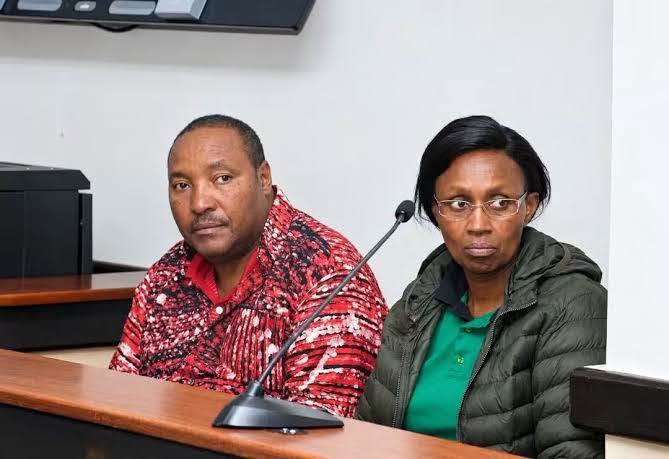
Milimani Anti-Corruption Court: Waititu KSh588.7M Graft Sentencing Set
Summary
- Former Kiambu Governor Ferdinand Waititu and his wife, Susan Wangari Ndung’u, await sentencing in a KSh588.7 million graft and money laundering case.
- The Milimani Anti-Corruption Court postponed the sentencing to Monday, November 2, at 11:30 a.m. to allow the defense to respond to prosecution submissions.
- Waititu, convicted on February 12, 2025, apologized and requested a lenient sentence, citing that he and his wife are first-time offenders.
- Charges include conflict of interest, abuse of office, dealing with suspect property, and fraudulent procurement related to a KSh588.7 million road contract.
- The prosecution has recommended a six-year prison sentence for Waititu and his co-accused for each count.
What Happened
This high-profile Kiambu County graft case, centered on a substantial KSh588.7 million road construction contract, reinforces the Kenyan judiciary's firm stance against corruption and money laundering, particularly involving public officials and large-scale procurement.
The Milimani Anti-Corruption Court in Nairobi is poised to deliver a significant sentencing ruling in the KSh588.7 million graft and money laundering case involving former Kiambu Governor Ferdinand Waititu and his wife, Susan Wangari Ndung’u. This decision, which has garnered considerable public attention, follows a recent postponement by Chief Magistrate Harrison Barasa. The court session, initially scheduled for Friday, was moved to Monday, November 2, at 11:30 a.m.
This delay was specifically granted to allow the defense team adequate time to formulate a response to the submissions presented by the prosecution. During the Friday proceedings, Mr. Waititu, who has already been found guilty, addressed the court directly, expressing remorse for his actions. He also made an appeal for a lenient sentence, emphasizing that both he and his wife were first-time offenders in such legal matters. The couple remains in remand as they await the final judgment from the court.
Legal Context
The conviction of Ferdinand Waititu and his co-accused occurred on February 12, 2025, marking a critical point in the protracted legal battle. The charges against them are extensive, encompassing conflict of interest, abuse of office, dealing with suspect property, and engaging in fraudulent procurement practices. These serious allegations stem from a KSh588.7 million road construction contract that was awarded by the Kiambu County Government during the 2017/2018 financial year.
The prosecution has vigorously argued for severe penalties, recommending that the court impose a six-year prison sentence on Mr. Waititu and his co-accused for each individual count of which they were found guilty. This recommendation underscores the gravity with which the state views the alleged offenses and the broader implications for public trust and financial integrity within Kenya's governance structures. The Milimani Anti-Corruption Court decision in this Kiambu County graft case is highly anticipated.
Why It Matters
The impending sentencing of Ferdinand Waititu and Susan Wangari Ndung’u carries significant weight, not only for the individuals involved but also for the broader landscape of Kenya anti-corruption penalties. Mr. Waititu's plea for leniency, based on the assertion that he and his wife are first-time offenders, highlights a common defense strategy in such cases, though its impact on the final ruling remains to be seen. The court's decision will serve as a crucial indicator of the judiciary's stance on corruption involving high-ranking public officials.
This high-profile Kiambu County graft case, centered on a substantial KSh588.7 million road construction contract, reinforces the Kenyan judiciary's firm stance against corruption and money laundering, particularly involving public officials and large-scale procurement. The potential for severe penalties in such cases, as evidenced by the prosecution's recommendation, sends a clear message regarding accountability. The Ferdinand Waititu corruption ruling, once finalized, will undoubtedly be a benchmark for future anti-corruption efforts in the nation.
Practical Implications
This high-profile sentencing reinforces the Kenyan judiciary's firm stance against corruption and money laundering, particularly involving public officials and large-scale procurement. Lawyers and compliance officers should note the potential for severe penalties in such cases, advising clients on robust anti-corruption compliance frameworks and due diligence, especially when engaging with government contracts or public figures, to mitigate legal and reputational risks.
Source
How does this affect you?
Get an AI analysis of this article grounded in your jurisdictions, practice areas, and any policy documents you've uploaded to Wansom.
Wansom is AI and can make mistakes.