
Kenya High Court: Bayern Ajax Funding Petition Seeks Public Funds Disclosure
Summary
- Six Kenyans have petitioned the High Court to prevent the government from using public funds for a Bayern Munich vs. Ajax friendly match.
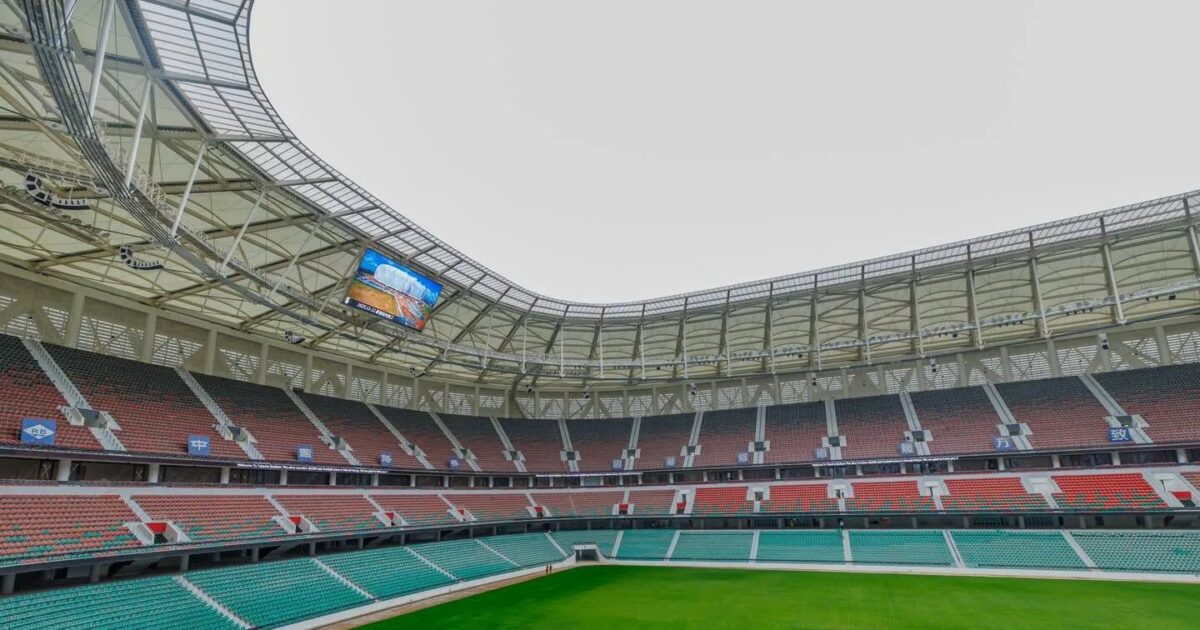
- The match, scheduled for January 5, 2027, is for the opening of Nairobi's Talanta Stadium.
- Petitioners demand full disclosure of all financial arrangements, sponsorship deals, and potential public financial commitments.
- They cite Articles 35 and 201 of the Constitution, emphasizing the right to information and public finance principles.
- The petition seeks conservatory orders to halt public fund allocation and resource deployment until transparency is ensured.
The High Court Challenge
The legal action underscores the ongoing public demand for clarity on how taxpayer money is spent, especially when high-profile international events are involved.
Six Kenyan citizens have initiated legal proceedings in the High Court, seeking to prevent the government from allocating public funds or resources to an upcoming international football friendly. The match, featuring German club FC Bayern Munich and Dutch side AFC Ajax, is slated for January 5, 2027, and is intended to mark the official inauguration of the newly constructed Raila Odinga International Stadium, also known as Talanta Stadium, in Nairobi. Led by Erick Mankuyu, the petitioners are requesting a court order to compel the government to fully disclose all financial arrangements pertaining to the high-profile fixture.
The petition specifically questions the transparency surrounding the event's financing. While President William Ruto previously announced that the match would be delivered through corporate partnerships and a self-sustaining commercial model, the petitioners contend that such assurances are insufficient without comprehensive disclosure of all agreements. They argue that the reported costs associated with the event raise significant concerns about who will ultimately bear the financial burden and whether Kenyan taxpayers might face direct or indirect financial exposure.
Constitutional Demands for Transparency
The legal action names several key government entities as respondents, including Attorney General Dorcas Agik Oduor, the Cabinet Secretary for Sports, the Cabinet Secretary for the National Treasury, and Sports Kenya. Additionally, the Law Society of Kenya (LSK) and Katiba Institute have been identified as interested parties in the proceedings. The petitioners assert that the government is constitutionally bound to uphold transparency and accountability in its management of public resources, particularly when public institutions, facilities, or personnel are involved in an event.
Central to their argument are provisions from the Constitution of Kenya, 2010. The petition specifically invokes Article 35, which guarantees citizens the right to access information held by the State, and Article 201, which outlines principles of public finance. The petitioners maintain that without a full revelation of the financial arrangements, it remains impossible for the public to ascertain whether the match is genuinely funded by private commercial partnerships or if public funds and resources will ultimately be required.
Specific Reliefs and Disclosures Sought
The petitioners are seeking several specific orders from the court. They request conservatory orders to restrain the named respondents from authorizing, allocating, releasing, committing, or spending any public funds towards the match unless strict compliance with constitutional and public finance requirements can be demonstrated. Furthermore, they aim to restrict the deployment of public resources, including security personnel, transport services, and stadium facilities, for the event until complete disclosure and adherence to legal mandates are achieved.
Beyond these immediate injunctions, the petition also demands the preservation of all relevant records related to the match, encompassing financial documents, procurement records, sponsorship agreements, and official correspondence. Crucially, the petitioners are seeking a court order compelling the respondents to disclose, within seven days, comprehensive details. This includes the full sponsorship agreements and contracts involving FC Bayern Munich and AFC Ajax, the identities of all corporate sponsors, their precise financial contributions or obligations, and detailed budgets covering appearance fees, travel, accommodation, security, insurance, and other logistical expenses. They also seek clarity on whether public funds, government guarantees, subsidies, or public personnel will be committed to the event, and an independent audit of all public expenditure and financial commitments linked to the fixture.
Implications for Public Finance and Governance
This petition holds significant implications for the governance of public funds and the execution of large-scale events in Kenya, particularly those involving public-private partnerships. By challenging the government's current approach to the Talanta Stadium match financing, the petitioners are pushing for a higher standard of transparency and accountability in how public resources are utilized and managed. The outcome of this case could establish a critical precedent for future government-backed initiatives, reinforcing the constitutional right of citizens to access information regarding public financial commitments.
The legal action underscores the ongoing public demand for clarity on how taxpayer money is spent, especially when high-profile international events are involved. Should the court rule in favor of the petitioners, it would send a clear message regarding the necessity of upfront and comprehensive disclosure of financial arrangements for projects that, even if partially privately funded, could still draw upon public resources or expose the public to financial risk. This case highlights the vital role of judicial oversight in ensuring adherence to the principles enshrined in the Constitution of Kenya, particularly concerning financial transparency and public participation in governance.
Practical Implications
Lawyers advising government agencies or private entities on public-private partnerships for large-scale events in Kenya should closely monitor this High Court petition. Its outcome could establish stricter precedents for financial transparency, public fund disclosure, and the deployment of public resources, particularly concerning Article 35 and 201 of the Constitution.
Source
How does this affect you?
Get an AI analysis of this article grounded in your jurisdictions, practice areas, and any policy documents you've uploaded to Wansom.
Wansom is AI and can make mistakes.