
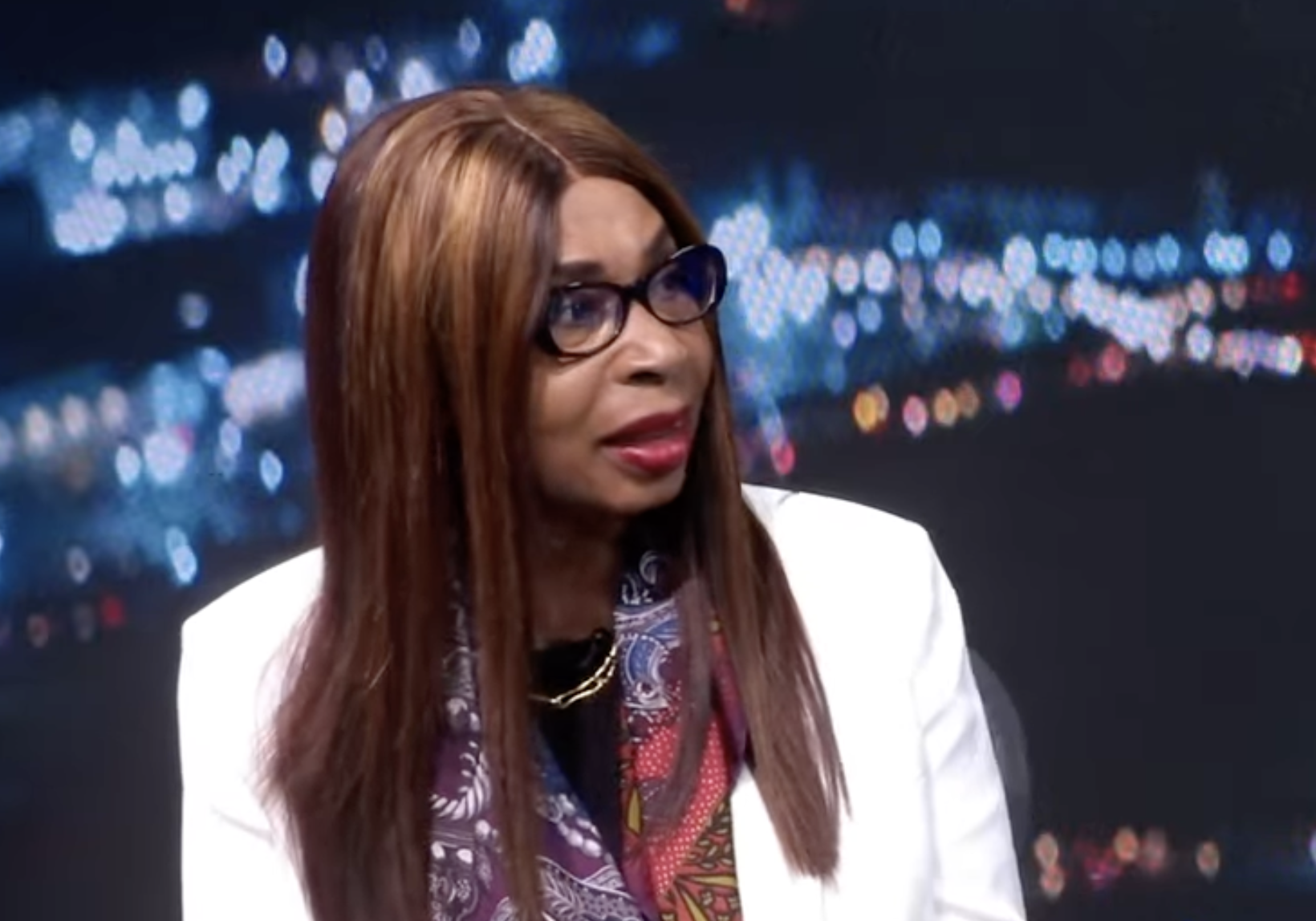
Vicky Bright: Chief Justice Baffoe-Bonnie Resignation Calls 'Excessive'
Summary
- Chief Justice Paul Baffoe-Bonnie faced calls for resignation after praising state institutions under the current administration during a visit to the MIIF on September 2.
- International corporate lawyer Vicky Bright stated on September 7 that these calls were "a little bit excessive," arguing the comments did not automatically warrant removal.
- Bright emphasized that while judicial visits are permissible, public comments by the Chief Justice must avoid the appearance of political bias and relate to the administration of justice.
- She cited Articles 125, 127, and 146 of the Ghana Constitution, asserting that not every politically suggestive remark constitutes grounds for removal.
- The incident has fueled a broader "Ghana judicial independence debate," with political parties divided and the Judicial Service defending the Chief Justice's intent.
The Controversy Unfolds
The crucial standard, according to Bright, is not merely whether the Chief Justice intended to be partisan, but rather whether a responsible and informed individual would perceive his remarks as such.
The Chief Justice of Ghana, Paul Baffoe-Bonnie, has faced significant public scrutiny and calls for his resignation following remarks made during an official visit. On Wednesday, September 2, Justice Baffoe-Bonnie visited the Minerals Income Investment Fund (MIIF), where he offered praise for the institution and other public bodies operating under the current administration. He reportedly expressed surprise at the developments he witnessed, questioning what Ghana had been doing over the preceding eight years. These comments quickly ignited a debate regarding judicial neutrality and the appropriate conduct for high-ranking judicial officials.
The Chief Justice's remarks prompted immediate and strong reactions, with the New Patriotic Party (NPP) publicly demanding his resignation. Conversely, members of the governing National Democratic Congress (NDC) rejected these calls, highlighting a clear political divide in the interpretation of his statements. Amidst this escalating "MIIF Chief Justice remarks controversy," international corporate lawyer and entrepreneur Vicky Bright weighed in on the "JoyNews AM Show" on Monday, September 7, to offer her perspective on the "Vicky Bright Chief Justice Baffoe-Bonnie resignation calls."
Legal and Ethical Considerations
Vicky Bright characterized the demands for Chief Justice Baffoe-Bonnie's departure as "a little bit excessive," arguing that while his comments raised valid concerns about judicial restraint and the appearance of bias, they did not automatically constitute misconduct warranting removal based on the information available. She clarified that a judicial visit to a government entity, such as the MIIF, is not inherently improper. Bright noted that judicial ethics permit judges, particularly those with administrative responsibilities, to engage with government officials as part of their duties.
However, Bright emphasized that such interactions must remain non-partisan and specifically relate to the administration of justice and the courts, rather than delving into general government performance. She underscored that the Chief Justice, as the head of the Judiciary in Ghana, bears a heightened responsibility to exercise particular restraint in public commentary. This is because his public statements carry significant weight and can inadvertently create an appearance of political bias, irrespective of his actual intent. The crucial standard, according to Bright, is not merely whether the Chief Justice intended to be partisan, but rather whether a responsible and informed individual would perceive his remarks as such.
Weighing the Calls for Removal
Bright cautioned against trivializing the incident but also warned against exaggerating it into an automatic basis for the Chief Justice's removal. She pointed to specific constitutional provisions, Articles 125 and 127 of the Constitution, which are foundational to establishing judicial independence in Ghana. These articles, she argued, must be considered in conjunction with Article 146 of the Ghana Constitution, which outlines the precise procedure for the removal of a Chief Justice. Her assessment, based on the current facts, was that the criteria for removal under Article 146 had not been met.
She firmly stated that not every careless or politically suggestive judicial remark should automatically be deemed a constitutional violation warranting removal under Article 146. Consequently, Bright disagreed with the immediate calls for Justice Baffoe-Bonnie's resignation, reiterating her view that such demands were "a little bit excessive on the information presently available." This stance aligns with the Judicial Service's defense, which maintained that the Chief Justice's comments were made in good faith and were not intended to undermine judicial independence. Meanwhile, the Ghana Centre for Democratic Development (CDD-Ghana) urged the Chief Justice to exercise greater restraint and discretion in his public engagements, reflecting the ongoing "Ghana judicial independence debate."
Implications for Judicial Accountability
This incident, and the subsequent "Vicky Bright Chief Justice Baffoe-Bonnie resignation calls," underscore the critical importance of maintaining both actual and perceived impartiality within Ghana's judiciary. The public commentary by a high-ranking judicial official, particularly one who leads the entire judicial system, inevitably draws intense scrutiny and fuels discussions around "judicial ethics Ghana public comments." The controversy highlights the delicate balance judges must strike between their administrative duties, their constitutional role, and the need to remain above political fray.
The differing reactions from political parties and civil society organizations further illustrate the complexities inherent in safeguarding judicial independence while ensuring accountability. The debate surrounding Chief Justice Paul Baffoe-Bonnie's remarks serves as a significant case study in the ongoing discourse about the boundaries of judicial expression and the interpretation of constitutional safeguards designed to protect the judiciary's integrity. It reinforces the principle that public trust in the justice system hinges not only on fair rulings but also on the unwavering appearance of neutrality from its leaders.
Practical Implications
This development underscores the critical importance of judicial ethics and perceived impartiality in Ghana, particularly concerning public commentary by high-ranking judicial officials. Lawyers should be aware of the ongoing debate regarding judicial neutrality and the interpretation of constitutional provisions (Articles 125, 127, 146) governing judicial conduct, as these discussions could influence future standards for judicial engagement and accountability.
Source
How does this affect you?
Get an AI analysis of this article grounded in your jurisdictions, practice areas, and any policy documents you've uploaded to Wansom.
Finish Reading the Full Story and the Expert Analysis.
Wansom is AI and can make mistakes.