
Kenya: United Insurance Liquidation Compensation Begins for Accident Victims
Summary
- United Insurance Company has begun paying over Sh38 million in third-party compensation to 47 verified claimants.
- Some accident victims have waited more than 21 years for these payments, with some claims dating back 26 years.
- Liquidator Kamal Bhatt is overseeing the process, which includes recovering and selling insurer properties.
- The insurer was placed under statutory management on July 15, 2005, leading to prolonged legal battles.
- All genuine, documented, and verified claims will be paid, with interest considered after principal and expenses.
What Happened
This significant development provides long-awaited relief for individuals whose lives were profoundly impacted by accidents, leading to extensive medical expenses and prolonged uncertainty regarding their compensation.
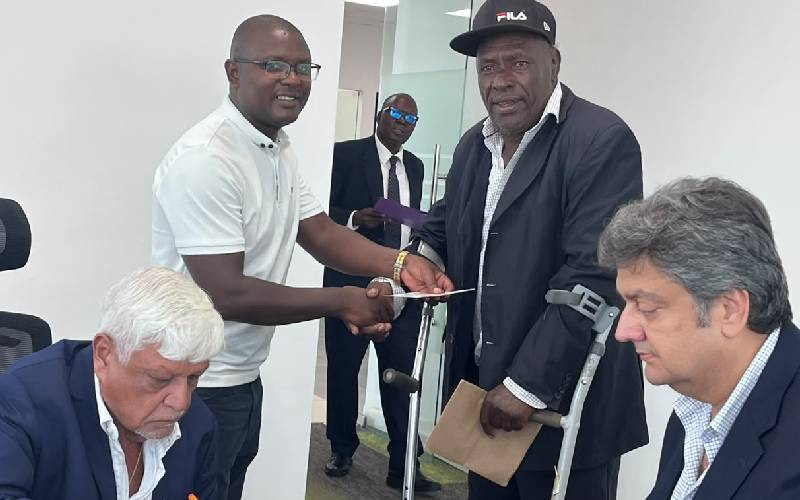
United Insurance Company has commenced payments for third-party compensation claims, bringing an end to a wait that spanned over two decades for some road accident victims in Kenya. Liquidator Kamal Bhatt recently distributed cheques totaling more than Sh38 million to 47 verified claimants, marking the initial phase of a broader compensation initiative designed to address all outstanding creditor obligations. This significant development provides long-awaited relief for individuals whose lives were profoundly impacted by accidents, leading to extensive medical expenses and prolonged uncertainty regarding their compensation.
Among those receiving compensation was Margaret Achieng from Lungalunga, whose life was irrevocably altered by a road accident in 1994. While traveling from Mombasa to Nairobi to procure goods for her shop, Achieng sustained injuries that necessitated several weeks of hospitalization and ultimately resulted in the loss of her left leg, leaving her an amputee for over thirty years. Her experience underscores the profound personal cost and the enduring struggle faced by victims awaiting these crucial payments.
Kamal Bhatt, the liquidator, expressed satisfaction that these long-suffering victims are finally receiving their due. He highlighted that the current payments specifically target third-party injury claims, some of which were lodged as far back as 26 years ago, predating the insurer's placement under statutory management. The commencement of these United Insurance Company payments represents a critical step in resolving these long-standing liabilities.
Legal and Regulatory Context
The protracted delay in disbursing compensation stemmed from complex legal and administrative processes initiated after United Insurance was placed under statutory management on July 15, 2005. This regulatory intervention triggered a series of legal battles, as various parties attempted to regain control of the insurer, thereby prolonging the resolution of claims. Charles Mwangi, a representative of the creditors, noted that these legal disputes significantly tested the patience of claimants, yet he affirmed that the courts consistently protected the interests of creditors throughout the prolonged contention.
Kamal Bhatt, who assumed the role of liquidator in July 2024, is overseeing a process that operates under strict court supervision. This ensures transparency and adherence to legal frameworks, further reinforced by the oversight of a liquidation committee. This committee, elected by creditors on September 11, plays a crucial role in representing the interests of those with outstanding insurer statutory management claims. The meticulous approach aims to ensure that all genuine, documented, and verified claims receive due attention and payment.
The Path Forward
Looking ahead, the liquidator is poised to proceed with subsequent phases of payments as additional claims undergo verification. A key component of this ongoing process involves the recovery and sale of properties belonging to United Insurance. These assets will be liquidated at the most favorable prices, with the proceeds directly channeled towards settling the remaining creditor obligations. This strategic approach is vital for maximizing the funds available for Kenya accident victim compensation.
Charles Mwangi emphasized the importance of proper documentation for all outstanding claims, assuring that every genuine, documented, and verified claim would ultimately be paid. Regarding interest payments, Mwangi clarified that these would be considered for creditors only after the principal claims and all liquidation expenses have been fully settled, contingent upon the availability of sufficient funds. The overarching objective of this extensive United Insurance liquidation compensation Kenya effort is to meticulously settle all outstanding obligations before any residual funds are distributed to shareholders, ensuring a fair and transparent conclusion to this long-running financial and legal saga.
Practical Implications
This development signals the successful, albeit delayed, resolution of claims arising from an insurer's liquidation in Kenya. Lawyers advising clients with outstanding claims against liquidated entities should note the precedent that even decades-old claims can be paid out, emphasizing the critical importance of proper documentation and diligent follow-up throughout the liquidation process. It also highlights the court's role in protecting creditor interests during prolonged disputes.
Source
How does this affect you?
Get an AI analysis of this article grounded in your jurisdictions, practice areas, and any policy documents you've uploaded to Wansom.
Finish Reading the Full Story and the Expert Analysis.
Get the latest legal & regulatory intelligence in Kenya
Wansom is AI and can make mistakes.