
UN Report: Sudan Civilian Deaths Hit 2,230, Drone Strikes Blamed
Summary
- The UN Human Rights Commission documented 2,230 civilian deaths in Sudan between January and October 2026.
- Drone strikes were responsible for 1,630 of these fatalities, becoming a prominent feature of the conflict.
- Civilian objects like markets, hospitals, and schools were repeatedly targeted by both the Sudanese Army and RSF drones.
- Kordofan province recorded 905 civilian deaths, representing nearly two-thirds of the deaths recorded in the first half of 2026.
- The report highlights potential violations of international humanitarian law, including unlawful killings and targeting of civilians.
What the UN Report Reveals
The comprehensive UN report on Sudan civilian deaths raises serious concerns regarding adherence to international humanitarian law.
On Tuesday, November 17, 2026, the UN Human Rights Commission disclosed that it had documented the deaths of 2,230 civilians in Sudan over a ten-month period, from January to October 2026. This grim tally reflects an ongoing pattern of violence, including retaliatory actions against civilians suspected of collaborating with warring factions and the deliberate targeting of civilian infrastructure.
The commission's report highlighted that a significant portion of these fatalities, specifically 1,630 individuals, were killed as a direct result of drone strikes. The overall civilian death toll underscores the severe impact of the conflict on non-combatants, with the violence extending beyond direct engagements to encompass broader acts of aggression against the populace.
During the first half of 2026 alone, 1,390 civilian deaths were recorded. Of these, 1,254 occurred amidst active hostilities. An additional 136 individuals were killed outside the immediate context of combat operations, through methods such as field executions and other unlawful killings, further illustrating the widespread disregard for civilian lives.
The Escalation of Drone Warfare
The report from the UN Human Rights Commission identified the extensive use of drone strikes as a defining characteristic of the ongoing conflict in Sudan. The first half of 2026 witnessed a marked increase in these aerial attacks, which specifically targeted both civilians and civilian objects, proving more destructive than other weaponry and tactics employed.
Both the Sudanese Army and the Rapid Support Forces (RSF) have intensified their deployment of drones, using them to strike areas located far from the front lines and established zones of control. This strategic shift has broadened the scope of the conflict's impact, bringing violence to regions previously considered safer.
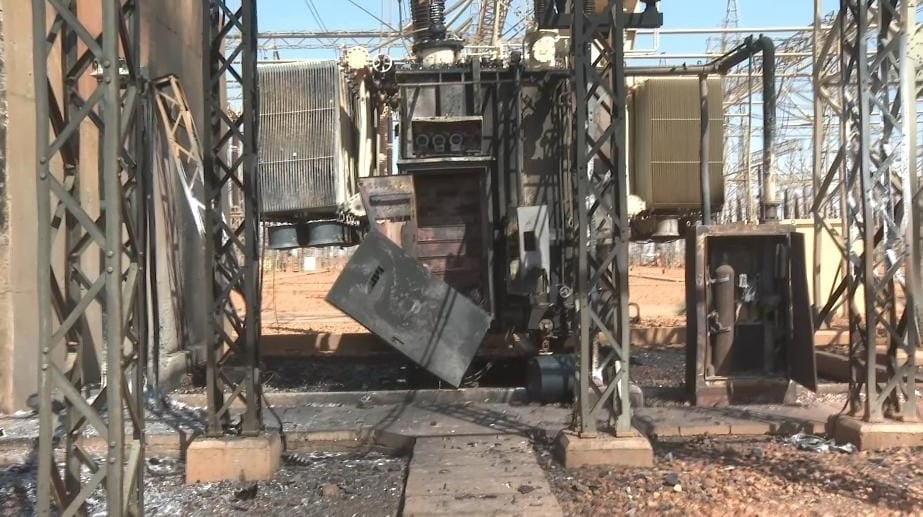
These drone strikes have indiscriminately hit vital civilian locations, including markets, hospitals, and schools. Essential infrastructure such as fuel depots, water sources, displacement sites, and civilian vehicles have also been targeted. The report noted repeated attacks on these critical sites and structures, which are indispensable for the survival and well-being of the civilian population, contributing significantly to Sudan drone strikes civilian casualties.
Geographic Impact and Broader Violations
The UN Human Rights Commission's findings detailed a severe geographic concentration of civilian deaths, with Kordofan province bearing a disproportionate burden. The report documented 905 civilian fatalities in Kordofan, a figure that the commission stated represents nearly two-thirds of the deaths recorded in the first half of 2026. Additionally, the Darfur region also experienced significant civilian casualties, with at least 382 deaths recorded.
The report also brought to light the 136 civilian deaths that occurred outside direct combat, through actions like field executions and other unlawful killings. These incidents point to a broader pattern of human rights abuses and potential violations of international humanitarian law Sudan, demanding scrutiny for Sudan war crimes accountability.
Implications for International Law
The comprehensive UN report on Sudan civilian deaths raises serious concerns regarding adherence to international humanitarian law. The documented targeting of civilian objects and the high number of civilian casualties from Sudan drone strikes civilian casualties suggest potential breaches of fundamental principles governing armed conflict, including distinction and proportionality. The deliberate nature of some attacks, particularly those on essential infrastructure, could constitute war crimes.
These findings from the UN Human Rights Commission underscore the urgent need for accountability for those responsible for such atrocities. The systematic nature of the violence, including unlawful killings and the targeting of civilian areas, necessitates thorough investigations to determine individual and command responsibility. The report serves as a critical piece of evidence for future efforts to ensure Sudan war crimes accountability and to protect civilians caught in the crossfire.
Practical Implications
This UN report on civilian casualties, particularly from drone strikes, highlights potential violations of international humanitarian law in Sudan. Lawyers specializing in international criminal law, human rights, or humanitarian law should monitor these developments for potential accountability mechanisms, evidence collection, and advising clients on compliance with IHL, especially if operating in or engaging with parties involved in the Sudanese conflict.
Source
How does this affect you?
Get an AI analysis of this article grounded in your jurisdictions, practice areas, and any policy documents you've uploaded to Wansom.
Finish Reading the Full Story and the Expert Analysis.
Get the latest legal & regulatory intelligence in Sudan
Wansom is AI and can make mistakes.