
UN Report: RSF Prison Abuses in Sudan Documented, 100+ Deaths
Summary
- The UN Human Rights Council documented 46 cases of sexual violence by Sudan's Rapid Support Forces this year.
- Over 100 detainees have died due to torture in RSF-controlled detention centers.
- The RSF holds approximately 20,000 individuals, including 5,434 civilians and 690 women, in Dagrees Prison, South Darfur, and other facilities.
- Sexual violence, including rape and gang rape, is used as a weapon, particularly in Darfur and Kordofan, to humiliate civilians and force displacement.
- These documented figures are believed to be a small fraction of the actual violations due to insecurity and fear of retaliation.
Documented Abuses by the Rapid Support Forces
Lawyers specializing in international criminal law or human rights should closely monitor these documented violations by the Rapid Support Forces, as they may form the basis for future accountability mechanisms, war crimes prosecutions, or sanctions.
The United Nations Human Rights Council revealed on Tuesday, November 17, 2026, that it has documented widespread human rights violations perpetrated by Sudan's Rapid Support Forces (RSF). This year alone, the council identified 46 instances of sexual violence. Furthermore, the report highlights the RSF's ongoing practice of torture within its various detention facilities, which has tragically resulted in the deaths of more than 100 individuals held captive. These findings underscore a severe pattern of abuse by the paramilitary group.
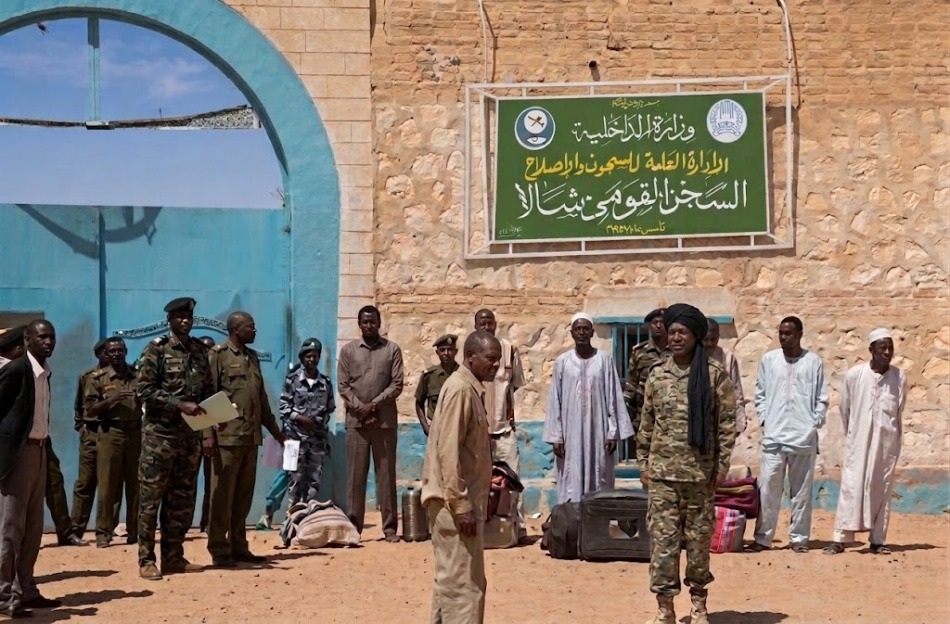
According to government figures, the Rapid Support Forces are currently holding approximately 20,000 detainees and prisoners within Dagrees Prison, located in Nyala, South Darfur. This substantial population includes 5,434 civilians and 690 women, indicating the broad scope of those affected by RSF detentions. Beyond Dagrees, the RSF maintains control over other detention sites, including Shala Prison in North Darfur, as well as additional facilities situated in areas under their operational command, further expanding the reach of their alleged abuses.
Pervasive Sexual Violence and Its Impact
A detailed segment of the UN Human Rights report, specifically covering the period from January to June 2026, brought to light 17 distinct incidents of conflict-related sexual violence. These documented events impacted at least 46 victims, comprising 27 women, 14 girls, 4 men, and one boy. The nature of these violations ranged from rape and gang rape to attempted rape, alongside other acts of sexual violence that are classified as torture or cruel, inhuman, and degrading treatment under international humanitarian law. The report emphasizes that these documented cases likely represent only a small fraction of the true scale of such abuses.
The underreporting of these grave violations is attributed to several critical factors, including pervasive insecurity, the significant social stigma associated with sexual violence, and a profound fear of retaliation from perpetrators. Moreover, the absence of realistic opportunities for accountability in the war-affected regions further contributes to the silence surrounding these incidents. The report explicitly states that sexual violence has been systematically employed as a weapon, particularly prevalent in the Darfur and Kordofan regions, with the deliberate aim of humiliating civilian populations and coercing their displacement.
Implications for International Accountability
The extensive documentation of abuses by the Rapid Support Forces, including torture deaths and widespread sexual violence, carries significant implications for international criminal law and human rights. These findings serve as critical evidence that could underpin future accountability mechanisms, including potential war crimes prosecutions against individuals responsible for these atrocities. The systematic nature of the violations, particularly the use of sexual violence as a weapon, highlights a clear disregard for fundamental principles of international humanitarian law.
Lawyers specializing in international criminal law or human rights should closely monitor these documented violations by the Rapid Support Forces, as they may form the basis for future accountability mechanisms, war crimes prosecutions, or sanctions. Furthermore, compliance officers for entities operating in or with ties to Sudan must assess heightened human rights due diligence risks and potential complicity in light of these severe abuses. The international community faces a pressing challenge to ensure that those responsible for these grave violations are held to account, thereby deterring further atrocities and upholding the rule of law.
Practical Implications
Lawyers specializing in international criminal law or human rights should closely monitor these documented violations by the Rapid Support Forces, as they may form the basis for future accountability mechanisms, war crimes prosecutions, or sanctions. Compliance officers for entities operating in or with ties to Sudan should assess heightened human rights due diligence risks and potential complicity in light of these severe abuses.
Source
How does this affect you?
Get an AI analysis of this article grounded in your jurisdictions, practice areas, and any policy documents you've uploaded to Wansom.
Finish Reading the Full Story and the Expert Analysis.
Get the latest legal & regulatory intelligence in Sudan
Wansom is AI and can make mistakes.