
Sudan Civil Society: ICC Demands Al-Bashir, Haroun Surrender
Summary
- Sudanese civil society groups demanded international intervention to end impunity and enforce International Criminal Court decisions.
- A formal memorandum was sent to global leaders, condemning ongoing crimes in Darfur since 2003.
- The memo urged the Sudanese government to comply with UN Resolution 1593, mandating cooperation with the ICC.
- Organizations accused the government of releasing Omar al-Bashir and Ahmed Haroun, both wanted by the ICC for grave crimes.
- Ahmed Haroun was recently arrested by Sudanese authorities after a public podcast appearance, though no further official statement was issued.
What Happened
This concerted push by Sudanese civil society groups carries significant weight, signaling continued international and domestic pressure on the Sudanese government to comply with its obligations under UN Security Council Resolution 1593 and cooperate with the International Criminal Court.
A coalition of Sudanese civil society organizations, labor unions, and prominent national figures recently issued a strong appeal to the international community, urging immediate action to address the pervasive culture of impunity within Sudan. On Tuesday, November 17, 2026, these groups dispatched a formal memorandum to key global bodies, including the leadership of the United Nations Security Council, the broader United Nations, the European Union, the United States, and the International Criminal Court. The communication specifically condemned the persistent atrocities that have plagued Darfur and other regions of Sudan since 2003.
The memorandum underscored the critical need for the Sudanese government to adhere to its commitments under UN Security Council Resolution 1593, enacted in 2005. This resolution mandates full cooperation with the International Criminal Court. The signatories highlighted the long-standing arrest warrants issued by the ICC against former President Omar al-Bashir in 2009 and 2010, and against Ahmed Haroun in 2007, all related to grave accusations of war crimes, crimes against humanity, and genocide. The organizations expressed profound outrage over the authorities' failure to surrender these individuals.
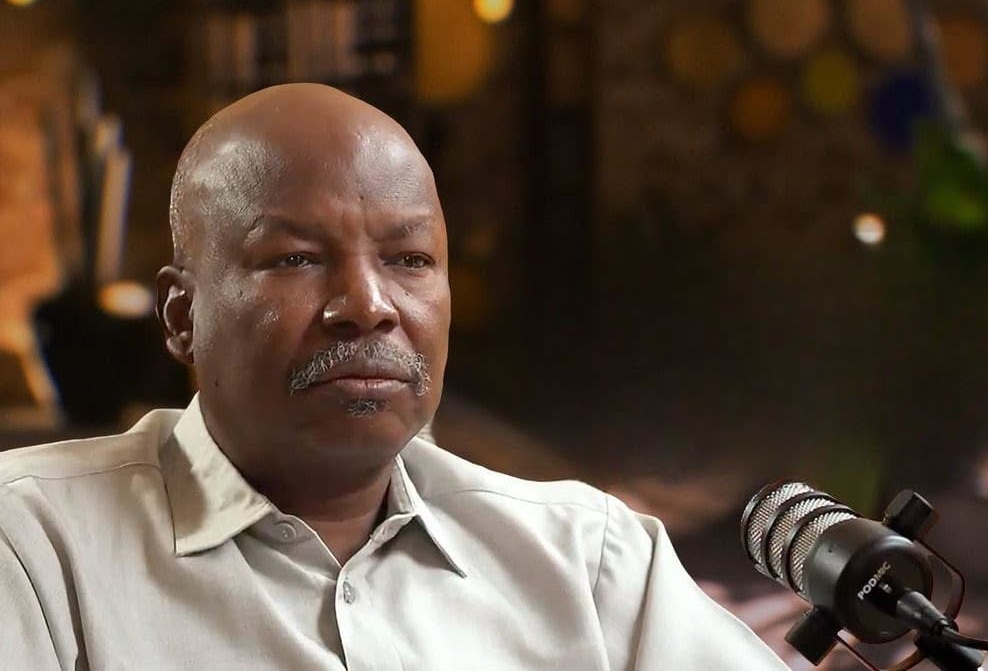
Furthermore, the groups explicitly accused the government, currently led by General Abdel Fattah al-Burhan, of facilitating the release of al-Bashir, Haroun, and other figures sought by international justice. A particular point of contention was Ahmed Haroun's recent extensive public appearance on "Sudan Podcast." The memorandum denounced this media exposure, alleging that Haroun exploited the platform to discredit the December Revolution and advocate for the continuation of the ongoing conflict. The civil society groups viewed these actions as a direct provocation and a significant threat to the victims of the conflicts.
The memo directly assigned political and legal responsibility to General al-Burhan for obstructing efforts to hand over the internationally wanted individuals. This development followed a notable incident last week when Sudanese authorities apprehended Haroun, mere hours after his public broadcast on "Sudan Podcast." However, the source indicates that no further official statement or action regarding his arrest was issued.
International Legal Obligations
The demands from Sudanese civil society underscore the enduring relevance of UN Security Council Resolution 1593, adopted in 2005. This landmark resolution explicitly refers the situation in Darfur to the International Criminal Court Sudan and unequivocally obliges the Sudanese government to cooperate fully with the Court's investigations and proceedings. The resolution was a direct response to the severe human rights violations and atrocities committed in the region, aiming to ensure accountability for those responsible.
The International Criminal Court has, for years, sought the apprehension of several high-profile Sudanese officials. Central among these are Omar al-Bashir, who faces multiple arrest warrants for genocide, war crimes, and crimes against humanity, and Ahmed Haroun ICC, who is also wanted for similar grave offenses. The consistent failure of successive Sudanese governments to surrender these individuals represents a direct challenge to the authority of the ICC and a breach of the country's obligations under Resolution 1593.
The recent memorandum from Sudanese organizations serves as a powerful reminder to the global community of the urgent need to address Sudan impunity Darfur. Their persistent calls for justice highlight the international community's responsibility to ensure that the mandates of international law are upheld, particularly when national authorities appear unwilling or unable to do so. This ongoing pressure aims to compel the Sudanese government to fulfill its legal duties and facilitate the prosecution of those accused of the most heinous crimes.
Why It Matters
This concerted push by Sudanese civil society groups carries significant weight, signaling continued international and domestic pressure on the Sudanese government to comply with its obligations under UN Security Council Resolution 1593 and cooperate with the International Criminal Court. The alleged release of individuals wanted by the ICC, coupled with Ahmed Haroun's public platforming of views perceived as hostile to peace and justice, directly undermines efforts to achieve lasting stability and reconciliation in Sudan. Such actions are seen as a direct affront to the victims of the Darfur conflict and other Sudanese regions, perpetuating a cycle of injustice.
The memorandum's direct attribution of political and legal responsibility to General Abdel Fattah al-Burhan for impeding the surrender of wanted individuals emphasizes the high stakes involved. This situation not only impacts the credibility of the current Sudanese administration but also has broader implications for international justice mechanisms. The international community, including the UN, EU, and US, is being called upon to exert greater influence to ensure that international arrest warrants are honored and that those accused of grave crimes face justice.
For entities with interests in Sudan, this evolving situation demands close monitoring. Non-compliance with international legal obligations, particularly concerning the International Criminal Court Sudan, could lead to renewed international sanctions or other legal repercussions. Lawyers and compliance officers advising such entities should integrate these developments into their due diligence and risk assessments, especially when dealing with Sudanese officials or state-affiliated entities, as the potential for international isolation or punitive measures remains a tangible concern. The persistent Sudan civil society ICC demands highlight the critical need for accountability to underpin any future for the nation.
Practical Implications
This development signals continued international and domestic pressure on the Sudanese government to comply with its obligations under UN Security Council Resolution 1593 and cooperate with the International Criminal Court. Lawyers and compliance officers advising entities with interests in Sudan should monitor this evolving situation closely, as non-compliance could lead to renewed international sanctions or legal repercussions, impacting due diligence and risk assessments related to Sudanese officials or entities.
Source
How does this affect you?
Get an AI analysis of this article grounded in your jurisdictions, practice areas, and any policy documents you've uploaded to Wansom.
Finish Reading the Full Story and the Expert Analysis.
Get the latest legal & regulatory intelligence in Sudan
Wansom is AI and can make mistakes.