
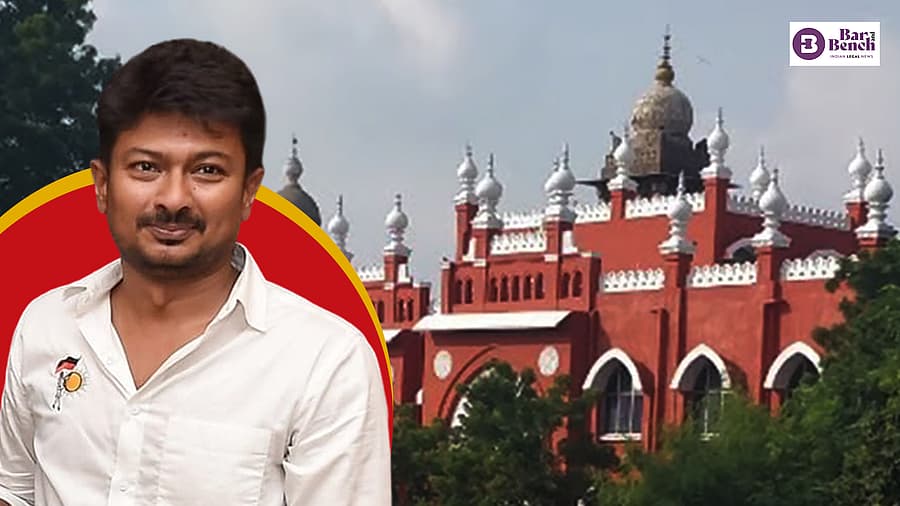
Madras High Court: Udhayanidhi Stalin Election Petition Dismissal Refused
Summary
- The Madras High Court refused to dismiss an election petition challenging Udhayanidhi Stalin's 2026 election victory from Chepauk-Thiruvallikeni.
- Justice Arul Murugan rejected Stalin's preliminary applications seeking to dismiss the petition filed by independent candidate P Milany.
- Milany's petition alleges issues with Stalin's nomination papers and election affidavit.
- Stalin had argued the petition was filed beyond the statutory 45-day period, but the court allowed it to proceed.
- The court has directed Udhayanidhi Stalin to file his written statement within four weeks.
Court Rejects Dismissal Request in Election Challenge
The court's refusal to dismiss the petition, despite the procedural challenges raised by Stalin, underscores a judicial willingness to scrutinize election processes and allegations of impropriety.
The Madras High Court recently declined to dismiss an election petition that contests the victory of DMK leader Udhayanidhi Stalin in the Chepauk-Thiruvallikeni Assembly constituency. The ruling, delivered by Justice Arul Murugan, means that the challenge, initiated by independent candidate P Milany, will proceed to a full hearing, despite preliminary efforts by Stalin to have it thrown out.
Justice Arul Murugan specifically rejected the preliminary applications filed by Udhayanidhi Stalin, which sought to have the election petition dismissed at an early stage and to strike out its pleadings. Following this decision, the court has instructed Stalin to submit his written response to the petition within a four-week timeframe. The court also clarified that any observations made within its order were solely for the purpose of deciding these preliminary applications, and not on the merits of the election petition itself.
Allegations and Procedural Hurdles
The election petition, filed by P Milany on June 18, raises serious allegations concerning Udhayanidhi Stalin's nomination papers and the affidavit he submitted for the 2026 Tamil Nadu elections. Milany, who secured only 30 votes in the election, is challenging the validity of Stalin's win, which saw him declared elected on May 4, 2026, with 62,992 votes, surpassing his closest rival D Selvam of TVK, who received 55,852 votes.
Stalin's legal team had argued for the petition's dismissal on procedural grounds, contending that it was filed beyond the statutory 45-day period mandated for such challenges. This procedural defense was a key component of the preliminary applications that Justice Arul Murugan ultimately rejected. The oral arguments regarding these applications concluded on October 22, leading to the court's recent verdict.
Milany's Pursuit of Records
Before filing the election petition, P Milany encountered difficulties in obtaining necessary election records. Initially, Milany sought these documents from the Election Commission, but the request was denied. This denial prompted Milany to then approach the Madras High Court to secure the required records, demonstrating the petitioner's persistence in gathering evidence for the challenge against Udhayanidhi Stalin.
The court's refusal to dismiss the petition, despite the procedural challenges raised by Stalin, underscores a judicial willingness to scrutinize election processes and allegations of impropriety. This decision ensures that the substantive claims regarding Stalin's nomination papers and affidavit will be thoroughly examined, moving beyond preliminary objections to a full consideration of the facts in the Milany vs Udhayanidhi Stalin case.
Practical Implications
This ruling indicates that the Madras High Court is willing to allow election petitions to proceed to a full hearing, even when challenged on preliminary grounds like the statutory filing period. Lawyers advising political candidates or involved in election disputes should note the court's scrutiny of nomination papers and affidavits, and be prepared for prolonged litigation even for challenges initially deemed procedural.
Source
How does this affect you?
Get an AI analysis of this article grounded in your jurisdictions, practice areas, and any policy documents you've uploaded to Wansom.
Finish Reading the Full Story and the Expert Analysis.
Get the latest legal & regulatory intelligence in India
Wansom is AI and can make mistakes.