
Lakshmi Venu TAFE: Withdraw Media Gag Suits in Bengaluru Court
Summary
- Lakshmi Venu and TAFE withdrew two suits seeking media restrictions in a Bengaluru civil court.
- The suits aimed to prevent allegedly defamatory reporting and remove online content concerning TAFE and its stakeholders.
- The Bengaluru court dismissed both cases as "not pressed" after memos were filed by the plaintiffs' counsel.
- No interim injunction had been granted by the court prior to the withdrawal.
- The court orders did not specify the reasons for the plaintiffs' decision to withdraw the suits.
Legal Proceedings Concluded in Bengaluru
The decision by Lakshmi Venu and TAFE to withdraw their suits, which aimed to secure a Bengaluru civil court gag order, underscores the complex strategic considerations for corporations seeking to manage their public image through legal means in India.
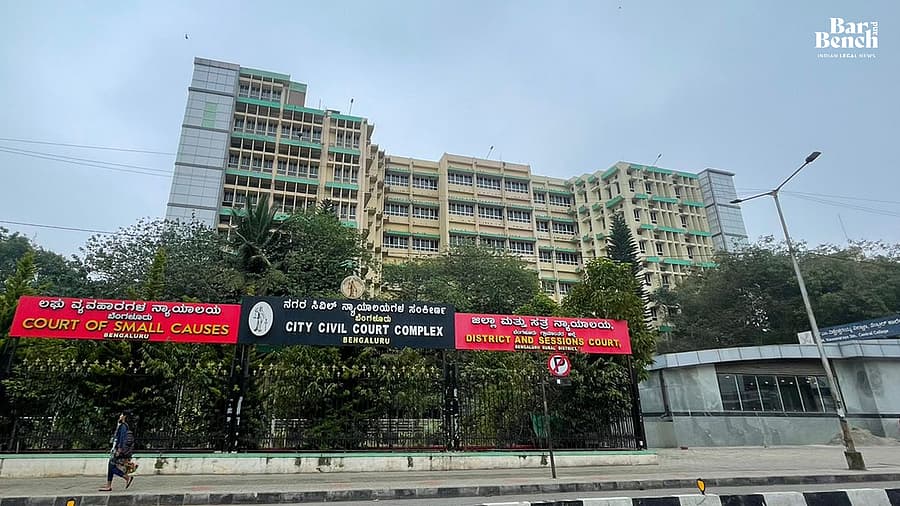
TAFE Vice Chairperson Lakshmi Venu, alongside the tractor manufacturing company TAFE, recently opted to discontinue two legal actions initiated in a Bengaluru civil court. These suits had been filed with the explicit aim of imposing restrictions on what was described as allegedly defamatory reporting and to compel the removal of specific online material deemed objectionable.
The Additional City Civil and Sessions Court in Bengaluru subsequently dismissed both cases, noting they were 'not pressed' after legal representatives for the plaintiffs submitted formal memos indicating that the proceedings would no longer be pursued. The court's orders explicitly stated, 'He filed memo not pressing the present suit. Therefore, allowing the memo, the present suit is dismissed as not pressed,' confirming the cessation of the litigation.
This development, which saw the Lakshmi Venu defamation suit dismissed without a full hearing, occurred after the cases had been advanced at the plaintiffs’ own request. Despite the withdrawal, the court's official records did not provide any specific rationale or explanation from the plaintiffs for their decision to cease pursuing the suits.
Broad Scope of Requested Media Restrictions
The withdrawn legal actions had sought broad prohibitions against allegedly false and unsubstantiated reporting that pertained to TAFE, its various stakeholders, and members of its board. The requested restraints were extensive, encompassing the publication, circulation, sharing, hosting, and streaming of content across a multitude of platforms, including broadcasts, debates, and general story coverage.
This comprehensive request for a media gag order was intended to cover all forms of media, specifically mentioning print, satellite, and digital outlets. Furthermore, the applications also demanded the removal of content identified through specific scheduled URLs and sought directives for de-indexing and de-referencing such material from online search results, effectively aiming for a complete removal from public access.
Crucially, these withdrawals followed earlier proceedings where the court had, on October 15, issued summons and notices to the defendants concerning applications for interim injunctions. The court had indicated its intention to hear the defendants' arguments thoroughly before making any decisions on the requested relief, setting December 5 as the date for their appearance. Significantly, no interim injunction was granted by the court during those October orders, meaning the media restrictions India litigation had not yet resulted in any immediate gag order or content removal.
Strategic Considerations in Media Litigation
The decision by Lakshmi Venu and TAFE to withdraw their suits, which aimed to secure a Bengaluru civil court gag order, underscores the complex strategic considerations for corporations seeking to manage their public image through legal means in India. This TAFE media injunction withdrawal, resulting in the Lakshmi Venu defamation suit dismissed as 'not pressed,' offers a significant case study.
While the specific reasons for the withdrawal remain undisclosed in the court's orders, the move highlights the practical difficulties and potential reputational risks associated with pursuing such broad media restrictions. Companies often face a delicate balance between protecting their brand and avoiding perceptions of stifling legitimate reporting.
This instance, where a defamation suit was dismissed without a full adjudication, provides a notable example for legal practitioners advising clients on reputation management or media litigation. It suggests that companies might weigh the benefits of pursuing content restriction claims against the potential for prolonged legal battles and increased public scrutiny, potentially influencing future strategies for similar claims in the evolving landscape of media restrictions India litigation.
Practical Implications
This withdrawal of media gag suits in Bengaluru highlights the practical difficulties and strategic considerations for companies seeking to restrict media reporting in India. Lawyers advising clients on reputation management or media litigation should note this case as an example where such injunctions were not pursued, potentially influencing future strategies for similar defamation or content restriction claims.
Source
How does this affect you?
Get an AI analysis of this article grounded in your jurisdictions, practice areas, and any policy documents you've uploaded to Wansom.
Finish Reading the Full Story and the Expert Analysis.
Get the latest legal & regulatory intelligence in India
Wansom is AI and can make mistakes.