
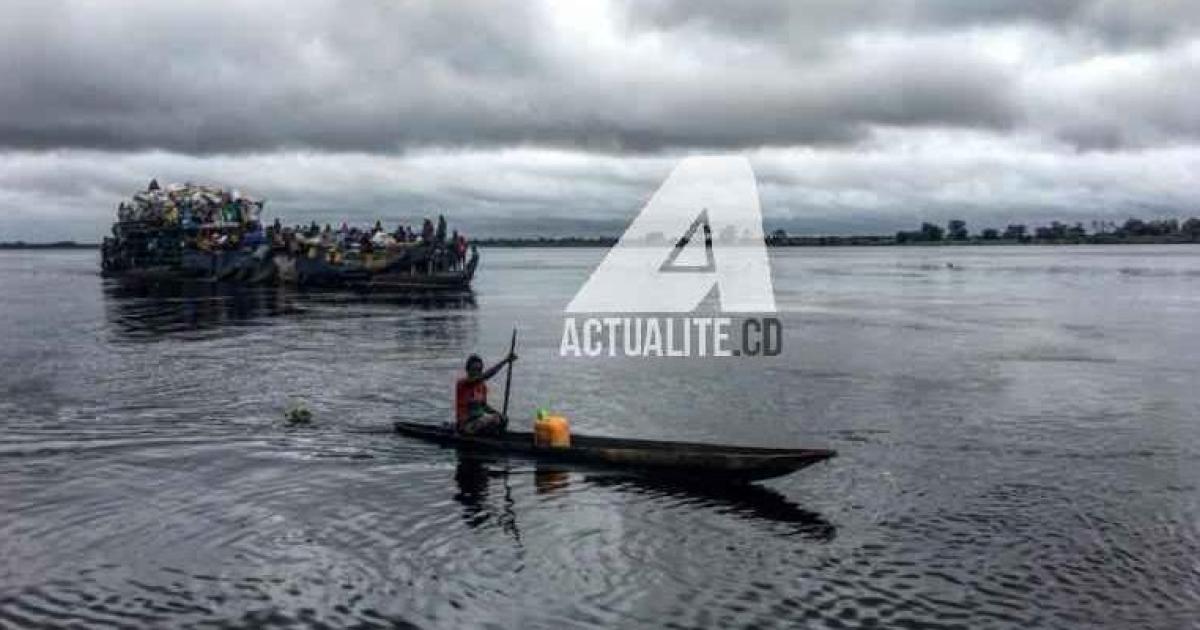
Tshopo Province Urges President to Suspend Wooden Boat Ban
The Provincial Assembly of Tshopo, Democratic Republic of Congo, formally requested President Tshisekedi to suspend the ban on wooden whaleboats (baleinières) on November 6, 2026. This urgent appeal was made to avert what the Assembly described as an impending "paralysis" of the province, highlighting the critical role these vessels play in the region's economy and transportation network. The excerpt does not specify the origin or exact nature of the ban, only that it is an interdiction.
This development underscores a significant tension between national regulatory policies and local economic realities in the DRC. For legal practitioners, this situation highlights the complex interplay between national maritime or transport regulations and regional economic interests. A decision by the President to suspend or uphold the ban carries substantial legal and economic implications, potentially leading to legal challenges regarding the scope of presidential powers, the validity of the ban, or the rights of affected operators. Businesses involved in river transport, logistics, and trade within Tshopo, and potentially other provinces reliant on similar vessels, face considerable uncertainty regarding their operational future and compliance requirements.
The legal framework governing river navigation in the DRC typically falls under national legislation, including maritime and fluvial transport codes, safety regulations, and environmental protection laws. Such bans are often implemented through presidential decrees or ministerial orders, usually citing safety concerns, environmental protection, or modernization efforts. The Provincial Assembly, while possessing legislative powers at the provincial level, is appealing to the President, indicating that the ban likely originates from a higher, national authority. The President's power to suspend such a measure would stem from his executive authority, potentially through a presidential ordinance or decree, which would then override or temporarily halt the enforcement of the original interdiction. The outcome of this matter is not yet reported, as the excerpt only details the request made by the Provincial Assembly.
The key parties involved are the Provincial Assembly of Tshopo, acting on behalf of the province's interests, and President Félix Tshisekedi, who holds the executive power to potentially grant or deny the request. Other implicit parties include the national government bodies responsible for transport and maritime affairs, which would have initially imposed or be enforcing the ban, and the numerous operators and communities in Tshopo who rely on these wooden vessels for their livelihoods.
Attorneys advising clients in the transport, logistics, and trade sectors in the DRC, particularly those operating in riverine provinces, should closely monitor the President's response to Tshopo's request. The decision will set a precedent for how national regulations impacting local economies are handled and could influence future policy adjustments. Businesses should assess their operational risks associated with the potential enforcement or suspension of the ban, considering alternative transport methods or compliance strategies. Legal professionals may need to prepare for potential litigation or administrative appeals depending on the final decision and its impact on their clients' operations.
How does this affect you?
Get an AI analysis of this article grounded in your jurisdictions, practice areas, and any policy documents you've uploaded to Wansom.
Wansom is AI and can make mistakes.