
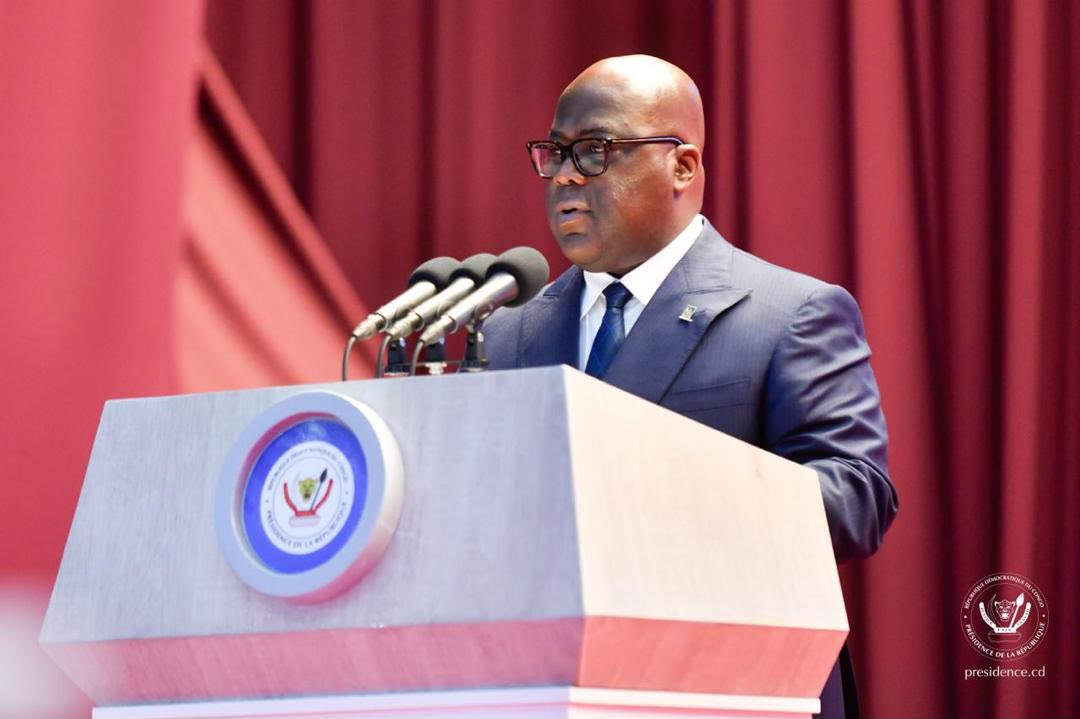
Félix Tshisekedi: Orders RDC Identifiant Unique Entreprises
Summary
- President Félix Tshisekedi mandated the DRC government to implement a unique identifier for all businesses on September 25, 2026.
- The initiative aims to simplify administrative procedures, improve the business climate, and modernize public administration.
- This unique identifier will facilitate business identification and formalization, reducing repetitive formalities and streamlining data exchange.
- The reform requires harmonization of legal and regulatory texts, not just technical database interconnection, to remove obsolete requirements.
- Expected outcomes include promoting economic formalization, combating fraud, and enhancing public revenue collection.
Presidential Mandate for Business Formalization
This holistic approach ensures that the unique identifier is not just a technical tool but is supported by a robust and updated legal foundation, crucial for its widespread acceptance, operational efficiency, and long-term success.
President Félix Tshisekedi has directed the government of the Democratic Republic of Congo (DRC) to establish a unique identifier for all businesses operating within the nation. This significant mandate was issued during the 99th Council of Ministers meeting held on Friday, September 25, 2026. The initiative, publicly announced by Government Spokesperson Patrick Muyaya on national television (RTNC), aims to substantially streamline administrative processes for companies across the country, marking a key step in the nation's economic development strategy.
The primary objective behind introducing this RDC identifiant unique entreprises is to simplify the identification and formalization procedures for businesses. By implementing a singular, universally recognized DRC unique business ID, the government intends to foster a more efficient administrative environment. This move is expected to significantly reduce the burden of repetitive formalities that currently hinder business operations, often leading to delays and increased compliance costs. Such a unified system will facilitate smoother and more consistent interactions between enterprises and various public services, ensuring a standardized approach to business registration and oversight.
Comprehensive Legal and Regulatory Harmonization
The government emphasizes that the implementation of this identifiant unique RDC extends beyond mere technical integration of existing databases. For the initiative to achieve its full potential and ensure its "full effectiveness," a parallel evolution and, where necessary, a comprehensive harmonisation textes légaux RDC entreprises is required. This critical aspect involves a thorough review and adaptation of the legal and regulatory frameworks that currently govern various administrations and public services involved in business oversight.
The goal of this extensive legal reform is to systematically eliminate redundant or obsolete requirements that no longer serve the contemporary business landscape, which can often create unnecessary bureaucratic hurdles. By adapting the normative framework to current demands of the business environment, digital transformation, and simplification administrative entreprises RDC, the DRC aims to create a coherent, modern, and responsive regulatory ecosystem. This holistic approach ensures that the unique identifier is not just a technical tool but is supported by a robust and updated legal foundation, crucial for its widespread acceptance, operational efficiency, and long-term success.
Enhancing the Business Climate and Public Revenue
This presidential directive forms a core component of broader efforts to significantly improve the réforme climat des affaires RDC. Beyond administrative simplification, the unique identifier is poised to encourage entrepreneurship by making it considerably easier for new businesses to formalize and operate within the legal economy. It is also a strategic step towards modernizing public administration, enhancing its overall efficiency, transparency, and responsiveness to the needs of the private sector.
The expected benefits are far-reaching, including improved traceability and reliability of information across government agencies, which will, in turn, promote the formalization of the economy. This formalization is critical for effectively combating fraud and illicit activities, and ultimately leads to a more efficient and equitable mobilization of public revenues. By streamlining data exchange and ensuring consistent identification through the Félix Tshisekedi identifiant unique RDC, the initiative is set to play a pivotal role in fostering sustainable economic growth and greater transparency within the Democratic Republic of Congo.
Practical Implications
This initiative signals upcoming changes to business registration and compliance in the DRC. Lawyers and compliance officers should monitor the development of the unique identifier system and the associated legal and regulatory harmonization, as it will impact client obligations for business formalization, data reporting, and administrative procedures, potentially leading to new compliance requirements or simplified processes.
Source
How does this affect you?
Get an AI analysis of this article grounded in your jurisdictions, practice areas, and any policy documents you've uploaded to Wansom.
Finish Reading the Full Story and the Expert Analysis.
Get the latest legal & regulatory intelligence in DR Congo
Wansom is AI and can make mistakes.