
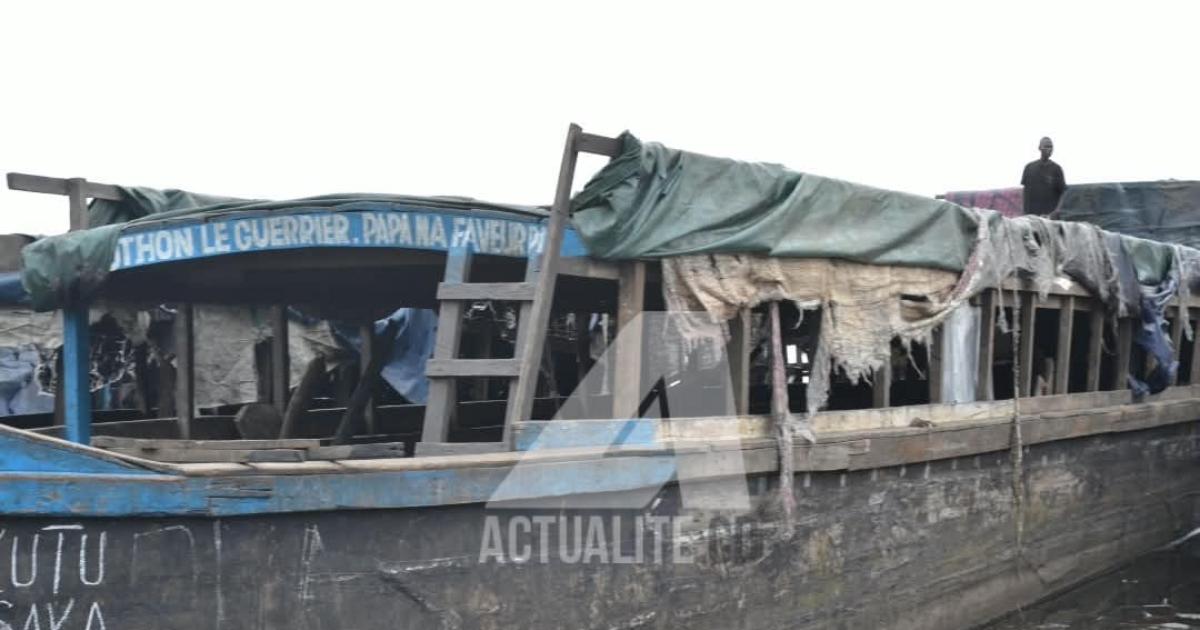
Jean-Pierre Bemba: Assouplit Interdiction Baleinières Bois RDC
Summary
- Jean-Pierre Bemba Gombo, Vice-Prime Minister of Transport, has relaxed a ban on wooden whaleboats in the Democratic Republic of Congo.
- The prohibition on "baleinières en bois" for "fleuve Congo navigation" was eased before it officially came into effect.
- This decision by the "ministre transports RDC" was made in direct response to numerous public complaints.
- The initial measure aimed to completely stop the navigation of wooden vessels on the Congo River and its tributaries.
- The relaxation impacts "réglementation transport fluvial RDC" and allows "baleinières en bois" to continue operating for now.
Policy Reversal on Wooden Vessels
The decision by "Bemba assouplit interdiction baleinières bois RDC" carries substantial weight and immediate consequences for the Democratic Republic of Congo's extensive riverine commerce and the numerous individuals involved in it.
Jean-Pierre Bemba Gombo, who holds the portfolio of Vice-Prime Minister for Transport, Communication Routes, and Disenclavement, has recently made a significant adjustment to a previously announced policy. This modification specifically addresses the prohibition of wooden whaleboats, commonly referred to as "baleinières en bois", from operating on the Congo River and its numerous tributaries. The core of this policy shift involves a relaxation of the stringent ban that was initially put forth.
A notable aspect of this policy adjustment is its timing. The decision to ease the restrictions on "interdiction navigation baleinières bois" has been enacted even before the original, more absolute prohibition had officially come into effect. This pre-emptive relaxation by Jean-Pierre Bemba Gombo was directly influenced by a substantial volume of public grievances and formal complaints that were lodged against the proposed ban. The initial measure had aimed to completely halt the operation of these traditional wooden vessels across the Democratic Republic of Congo's vital network of waterways, a move that evidently generated widespread concern among the populace and stakeholders.
Evolving Fluvial Transport Regulations
The initial directive, which sought to impose a complete "interdiction navigation baleinières bois", represented a particularly stringent attempt to overhaul "fleuve Congo navigation". Such a comprehensive ban would have had profound and far-reaching implications for the Democratic Republic of Congo's internal trade, commerce, and the movement of passengers, all of which are heavily reliant on these traditional river vessels. The "ministre transports RDC" had initially moved towards enforcing a strict cessation of these vessels, though the specific underlying reasons, such as safety concerns or environmental protection, were not detailed in the original announcement.
The swift reversal of this policy underscores the inherent complexities and significant challenges associated with implementing new "réglementation transport fluvial RDC" within a sector so deeply integrated into the daily lives and economic fabric of the population. A stricture of this nature would have directly impacted countless operators, traders, and ordinary citizens who depend on "baleinières en bois" for their livelihoods and transportation needs across the extensive river network. This episode highlights the delicate balance governments must strike between modernization or safety imperatives and the socio-economic realities of their constituents.
Implications for Riverine Commerce and Operators
The decision by "Bemba assouplit interdiction baleinières bois RDC" carries substantial weight and immediate consequences for the Democratic Republic of Congo's extensive riverine commerce and the numerous individuals involved in it. By opting to relax the outright ban, the "ministre transports RDC" has effectively acknowledged the immediate practical difficulties, potential economic disruptions, and social unrest that a full and immediate prohibition would have inevitably triggered across the country. This development provides a crucial reprieve for operators of "baleinières en bois", allowing them to continue their essential activities, at least for the foreseeable future, without facing the strict prohibition that was initially announced.
This governmental flexibility in "réglementation transport fluvial RDC" is particularly vital for the myriad businesses and communities whose existence and prosperity are intrinsically linked to "fleuve Congo navigation". It offers them an opportunity to reassess their operational compliance and understand potential liabilities under this revised, now less restrictive, framework. The move also signals a degree of governmental responsiveness to public feedback, demonstrating a willingness to adjust policy, even before its official commencement, in light of widespread public concern and practical considerations. This ensures a more gradual and potentially more sustainable approach to modernizing the nation's critical fluvial transport sector.
Practical Implications
Lawyers advising clients in the DRC's fluvial transport sector should note the relaxation of the wooden boat ban. This development means that businesses using baleinières en bois may not face the immediate, strict prohibition initially announced, requiring a review of operational compliance and potential liabilities under the revised regulations.
Source
How does this affect you?
Get an AI analysis of this article grounded in your jurisdictions, practice areas, and any policy documents you've uploaded to Wansom.
Finish Reading the Full Story and the Expert Analysis.
Get the latest legal & regulatory intelligence in DR Congo
Wansom is AI and can make mistakes.