
Togo Government: Sanctions 12.70% Fuel Price Increase Decree
Summary
- On September 11, 2026, the Togolese government increased petroleum product prices by 12.70% via an interministerial decree.
- This marks the second fuel price hike in just 107 days, adding to existing cost-of-living concerns for the population.
- The Association Togolaise des Consommateurs (ATC) immediately condemned the decision, citing its inflationary impact on vulnerable households.
- The ATC criticized the lack of consultation and called for the decision's reversal, dialogue, and protective measures for consumers.
- No official government response has yet followed the consumer association's demands, despite a tense political and social climate.
Togo Implements New Fuel Price Hike
The consumer group clearly intends for this issue to serve as a crucial test of the government's willingness to engage with civil society on matters directly affecting the daily lives of its citizens.
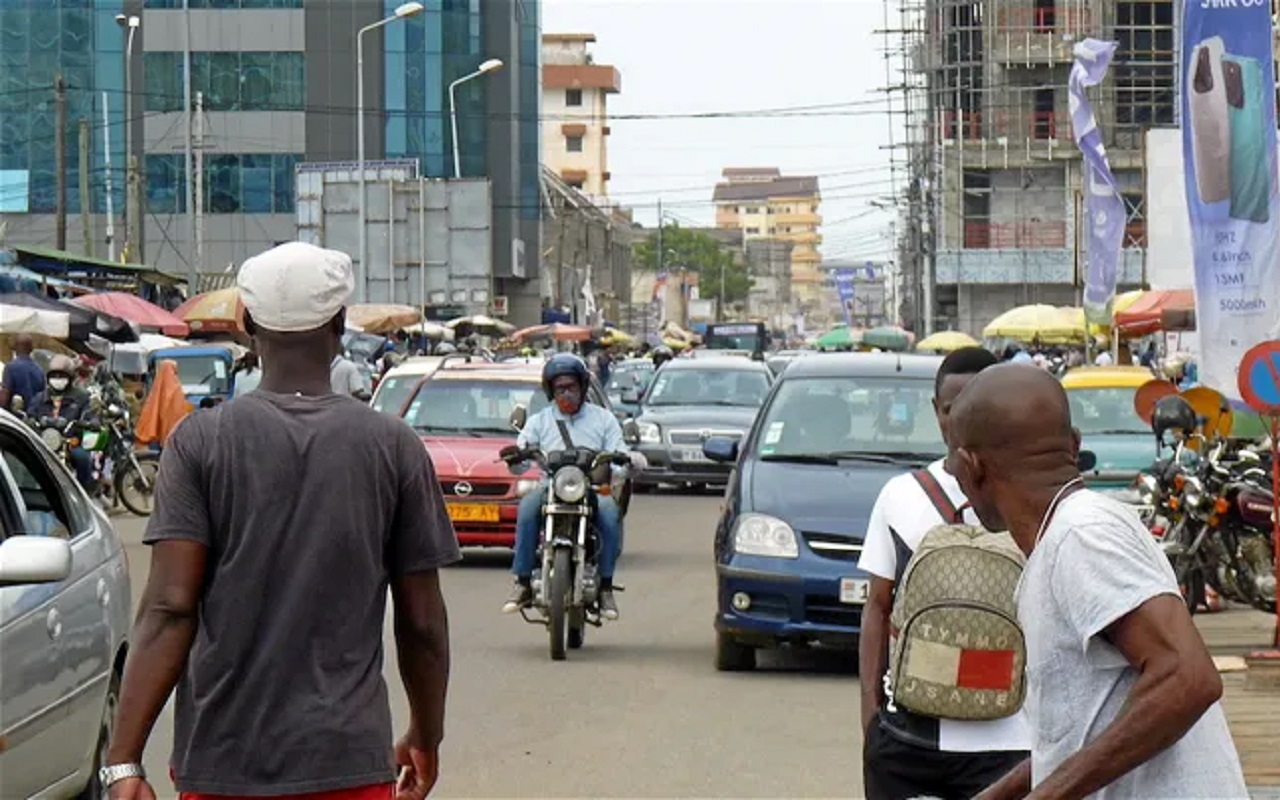
On September 11, 2026, the Togolese government officially sanctioned a significant increase in the price of petroleum products, marking a 12.70% rise. This decision, formalized through an interministerial decree, comes a mere 107 days after a previous adjustment, intensifying existing concerns among a populace already grappling with a high cost of living. The capital city, Lomé, particularly its downtown area, has once again become a focal point for social tension surrounding fuel prices.
This latest Togo fuel price increase decree is perceived by many as adding further strain to household budgets. The rapid succession of price hikes, coupled with the existing economic pressures, has reignited public anxiety regarding the affordability of essential goods and services. The government's action, enacted via an arrêté interministériel prix carburant Togo, underscores a recurring challenge for the nation's economy and its citizens.
Consumer Advocacy Group Raises Alarm
In immediate response to the government's announcement, the Association Togolaise des Consommateurs (ATC) issued a communiqué on the very day of the decree. The organization expressed profound regret over the measure, characterizing it as having severe repercussions for families who are already contending with persistent financial hardship. The ATC highlighted a well-established economic principle: an increase in fuel costs invariably triggers a ripple effect across various sectors.
This "domino effect," as described by the ATC, leads to elevated expenses for transportation, food staples, and general services, ultimately fueling widespread Togo inflation carburant. The consumer group emphasized that such inflationary pressures disproportionately burden the most financially vulnerable households. Furthermore, the timing of this particular price adjustment drew sharp criticism from the ATC, as it coincides with the crucial school re-entry period. During this time, Togolese families are already facing substantial outlays for tuition, uniforms, and school supplies, all within an already strained economic environment.
Calls for Dialogue Amidst Economic Strain
Beyond the substance of the price hike, the Association Togolaise des Consommateurs also voiced strong objections regarding the process by which the decision was made. The organization lamented the absence of prior consultation with relevant stakeholders, including consumer associations themselves, before the implementation of such a far-reaching measure. The ATC deemed this lack of dialogue inconsistent with the significant impact the Togo carburant prix arrêté is expected to have on the purchasing power of households.
In its communiqué, the ATC went beyond mere protest, issuing a direct appeal to the authorities. The association urged the government to reconsider its decision, to prioritize open dialogue with all affected parties, and to promptly introduce supportive measures designed to mitigate the inflationary consequences of the new increase, particularly for the most susceptible consumers. While the Togolese government is currently navigating a tense political and social landscape, there has been no official response to the ATC's communiqué. The consumer group clearly intends for this issue to serve as a crucial test of the government's willingness to engage with civil society on matters directly affecting the daily lives of its citizens.
Practical Implications
Lawyers advising businesses operating in Togo should assess the immediate impact of increased fuel prices on operational costs, supply chain logistics, and existing contractual agreements, particularly those with transportation or energy cost clauses. This development also signals potential for increased consumer advocacy and regulatory scrutiny regarding pricing.
Source
How does this affect you?
Get an AI analysis of this article grounded in your jurisdictions, practice areas, and any policy documents you've uploaded to Wansom.
Finish Reading the Full Story and the Expert Analysis.
Get the latest legal & regulatory intelligence in Togo
Wansom is AI and can make mistakes.